When talking to people about women experiencing domestic violence, I’m often asked the same questions time and again – why don’t they just leave? And, why do they go back? These questions often contain an element of frustration, as though there is a simplicity to the solution. In reality though, there are a variety of reasons why women stay in – and go back to – a violent relationship.
Some of these are more commonly understood and widely documented – the woman can’t afford to leave, it’s too dangerous for her to leave, she has children who love their father and attend school in the area. Add to this cultural pressures or the fact that she has her network there or is so isolated she doesn’t know who to turn to. What is less understood is the relationship between childhood trauma and a subsequent vulnerability to being in a domestic violent relationship, something that we can take a closer look at here.
We are hearing more and more about the importance of mental health and mental health support, and it is understood that if you’ve experienced childhood neglect or abuse then it can have a negative impact on your mental health as an adult. This can manifest in many different ways, and has been widely studied for years. John Bowlby, the British psychiatrist and psychotherapist and originator of attachment theory, believed that there is a biological drive when we are born to maintain proximity to our care givers in order to receive protection from the wider world. He believed that the relationship between the primary carer and child created a template for future relationships, an internalised self-view or working model and a view of how someone expects the environment to treat them based on whether or not they had had a secure base.
He categorised attachment styles into:
Secure – autonomous
Avoidant – dismissing
Anxious – preoccupied
Disorganised – unresolved
For those of us lucky enough to have had a stable childhood, creating what Bowlby would have called a secure base from which to explore the world, we will have established a secure attachment style. This means we have internalised a positive self-view, have healthy levels of self-esteem and self-worth, and are able to self-regulate our emotions as well as having had role models that demonstrate healthy relationship patterns. However, if the parenting is not successful – through neglect or abuse of the parenting role – then the child will develop an unhealthy attachment style which will affect both their personality formation and future adult relationships.
In practical terms, this means that dysfunctional coping strategies are in place when individuals are faced with challenging experiences. These maladapted internalised coping strategies will have been learned in childhood to maintain ‘attachment’ to a neglectful or abusive care giver, and are then carried through into adulthood. This means that for both men and women, we see an increase in the link between childhood trauma and domestic violence.
However, there is a gendered difference, with men presenting as predominantly the perpetrator as opposed to women who predominantly present as the victim.
According to the 2018 report Jumping through hoops: How are coordinated responses to multiple disadvantage meeting the needs of women, women who were survivors of childhood abuse were four times more likely to experience sexual assault after the age of 16 than male survivors (43 per cent compared with 11 per cent), while more than half (57 per cent) of women who were survivors of child abuse experienced domestic abuse as an adult, compared with 41 per cent of men.
So someone would stay in a relationship that is harmful because she’s internalised a dysfunctional working model – she will try to maintain that relationship because the biological attachment system drives her to, as a form of protection. The system has been given faulty information, which will keep the woman in the relationship – or repeating it – until she can find a way to change the faulty system. This is where working in a trauma-informed way supports change. By helping the woman to recognise the repetitive patterns and low self-worth through talk therapy, trauma-informed practice and empowerment, we can support women experiencing domestic violence to make positive changes to this system so that they might free themselves from cycles of abuse.
Janie Pamment is women’s support navigator and counselling coordinator at Turning Tides
Mark Reid reviews Douglas Stuart’s Shuggie Bain, the story of a boy and his alcoholic mother.
Anyone who has been addicted to alcohol is taken straight back to its horrors here. And all those who have toiled to help the drinking alcoholic will identify with Shuggie Bain’s hopes and burdens. The novel centres on Shuggie and his mum. From an early age he looks after her, very often instead of going to school. In the mornings, for her hangovers and withdrawals, Shuggie arranges three tea mugs: ‘tap water to dry the cracks in her throat, milk to line her sour stomach, a mixture of the flat leftovers frothed together with a fork’. The lager pushes her boak back down and begins to stop her shakes.
When he does make it to school, Shuggie is bullied because he is different. He is attracted to boys and plays with shiny ornaments and a doll but under this peer pressure he wants nothing more than to like things boys like, including football – but it’s a token effort. Shuggie is too young to leave his mum – he has no one else, and he remains firm in the belief that she will recover. ‘I would do anything for you,’ he tells her, and blames himself. The bleak limited patterns of her life confine and define his, yet he is also consoled by the routines. As Shuggie sees it, her trouble tends to start when she goes out and meets the wrong people: ‘it would be better if they were stuck inside alone, where he could keep her safe forever.’
Shuggie Bain is published by Picador. ISBN-10: 1529019273 – ISBN-13: 978-1529019278
Shuggie’s mum, Agnes, sometimes goes through the motions of being a good mother. In the local grocery, she chooses the makings of a good meal. Then, pretending it was an afterthought, she asks for 12 cans of Special Brew. Of course, she doesn’t have enough money for all of it and just buys her essentials, leaving all the food in the store.
Her main resentment is men and how she thinks they have ruined her life. Though Agnes is promiscuous – with those who ‘take her comforts in exchange for a bag of carry-out’ – she is abused by many men, especially Shuggie’s step-dad. He is violent, lives with another woman and comes and goes as he likes. Agnes describes him as ‘a short fat balding pig who fancies himself as a Casanova’. Her previous husband was a good man who didn’t go to the pub and gave his wages to her, but she was never able to respect this and was restless. After Agnes left him, he had still sent money every Thursday and taken Shuggie and the other children every second Saturday. Agnes found his limit when she gave her children their step-dad’s name: Bain. Their real dad never saw them after that.
When she is abstinent, including a year in Alcoholics Anonymous, Agnes becomes attentive and generous, and impresses on people that she now understands she cannot drink normally. Her latest partner, Eugene, chooses not to try to accept this, as he feels ill at ease socially with someone who doesn’t drink. He goads her into a glass of wine. She objects. She is scared to drink, but too proud to admit it, so when he keeps prodding, saying she is a changed woman, she gives in. Soon she orders vodka, ‘and then she ordered another and then another’. Her recovery is over.
The novel is set in the de-industrialised Glasgow of the early 1980s when the city ‘was losing its purpose’, and in part this is offered as an explanation for hopelessness and alcoholism. But it is really an account of the state of mind of those who are loyal to those who are addicted – the external chaos and the internal confusion. This is movingly summed up when Shuggie, watching his mum drinking herself to death, asks: ‘Why can’t I be enough?’
Is online coaching really as good as face-to-face service? Let’s find out, says Angela Calcan.
Angela Calcan is operations manager at Humankind
Online solutions have revolutionised our lives and mostly for the better – especially so during a time where we are forced to stay at home. Digital solutions have become the new way of life. Forget a stressful trip to the shops, now you can do your grocery shop from your couch. Want to change insurer? Compare the whole of the market with the swipe of your finger. Fast and convenient and generally pretty safe, online solutions are becoming our ‘go-to’. But does the online magic translate to a coaching service too? We say yes, and here’s why.
If you’ve got a Fitbit or if you’ve downloaded Mindspace or something similar then you’ve already bought into the idea that tech solutions can support behaviour change. Not only are they popular, but online interventions – including apps, online courses and even counselling – have actually proved effective for treating addiction and alcohol use for some time now.
Now that all sounds very promising, but there is very limited research for online interventions using video conferencing. So we asked ourselves, could we replicate the human element of face-to-face (F2F) coaching and get similar results if we used a platform like Zoom? To help answer this question we worked with Professor Daniel Frings and his team from London Southbank University. In this study Frings compared Extended Brief Interventions (EBI) delivered online via our DrinkCoach service to F2F in a GP surgery.
EBI is the recommended treatment for people scoring 16 to 19 or higher risk on the alcohol use disorders test (AUDIT). Approximately 1.9m people in the UK drink at higher risk levels. If you’ve completed the DrinkCoach alcohol test you’ll be familiar with your risk level. If you haven’t, you can take it at drinkcoach.org.uk.
EBI is typically:
A series of 4-6 sessions
Delivered by a specialist
Designed to motivate the client to achieve their goal to reduce their alcohol consumption or stop.
For the research Professor Frings compared EBI-delivered F2F in a GP surgery to EBI delivered at home or work via a Skype call. The results were very encouraging.
Both online and face-to-face EBI showed improvements for clients across a number of key measures. These included:
Reduction in drinking days
Improved psychological wellbeing
Improved physical health
Improved quality of life rating
The research also found that the demographic makeup of our online clients differed from the F2F group. Online clients tended to be younger, scored higher on the AUDIT and reported more days in work but, when baseline drinking and age were controlled for, the findings still showed online EBI led to equal or greater increases in quality of life and reductions in self-reported drinking days.
So what does this mean for online coaching and future research?
Put simply, the research tells us that the outlook for online coaching is good. It also told us that there’s more to do from a research perspective.
Future research would benefit from a larger sample – it could include a control group, which this small research project didn’t have. And while this work was based on historic data, future research could be more forward-focused, specifying data needs upfront and allowing for more thorough analysis.
The results also suggest online coaching might be particularly attractive to a younger cohort with higher drinking scores, the implications of which could be explored further. It’s all about options. Regardless of your age and score, if you want to talk to someone about your drinking and you’re not comfortable approaching a face-to-face service think about going online. Our evidence suggests it’s on a par with F2F, and there’s no better place than your own home, is there?
For more information on our coaching service visit: drinkcoach.org.uk
The first COVID-19 lockdown made little difference to people’s ability to find drugs or suppliers, according to Release. However, supply shortages did lead to difficulties sourcing drugs as the lockdown lifted, says Drugs in the time of COVID. More than one in ten purchases were made on the darknet, the document adds, many for the first time.
Release has been running an online survey to monitor how people were buying drugs since the start of the first lockdown, with the interim report based on more than 2,600 responses between April and September last year. A final report will be published this summer.
More people reported that their drug use had increased since the start of the pandemic than reduced or stayed the same, the report states. More people also reported experiencing increased withdrawal symptoms and non-fatal overdoses, as well as sharing of injection equipment. Overall, cannabis accounted for 70 per cent of purchases, while sales of ‘party drugs’ like MDMA were significantly down as people’s opportunities to socialise were restricted. Suppliers had adhered to government social-distancing measures in more than 60 per cent of purchases, the survey found.
‘At the start of lockdown, many presumed that the drugs market would be severely affected by border closures across the globe and by “stay at home” restrictions, but in fact the majority of respondents to the survey did not report finding a supplier, or their desired drug, to be more difficult compared to before the arrival of COVID-19,’ said lead author Judith Aldridge. ‘We did, however, observe increased difficulties in purchasing drugs as the first lockdown eased and was lifted – this also coincided with reports of increased prices, which would be consistent with supply shortages starting to have an effect on the market. Our results seem to suggest that suppliers were charging more and, in some cases, reducing deal sizes rather than sacrificing the purity of the drug they were supplying.’
‘In addition to the findings that suppliers were adhering to social distancing measures for the majority of purchases made during lockdown, we also saw suppliers adopting measures similar to those adopted by legal markets in order to further prevent virus transmission,’ added co-author and Release policy lead Laura Garius. ‘These measures included suppliers accepting card payments, disinfecting cash, and modifying their packaging. The additional precautions taken by suppliers to protect their buyers challenge longstanding perceptions of suppliers as “morally bereft actors”.’
Parents are twice as likely to be drinking more often since the start of the COVID-19 pandemic, according to research by alcohol charity Balance.
Among people who drink, 38 per cent of those with children under 18 living at home said they were drinking more often compared to just 18 per cent of non-parents.
The survey of over 900 people also found that more than 30 per cent of parents were likely to be consuming more units on a typical drinking day compared to 17 per cent of non-parents. Parents were also more likely to admit to binge-drinking, with 44 per cent saying they did so at least monthly and 4 per cent on a daily ‘or almost daily’ basis. Almost half of the parents surveyed were increasing-risk or higher-risk drinkers, compared to 37 per cent of non-parents.
The NSPCC has also revealed that the number of people getting in touch with concerns about drug or alcohol misuse among parents is up by 66 per cent since April 2020, at almost 1,200 contacts a month compared to 700 a month during January to March of last year.
Balance director Colin Shevills
‘These are worrying figures which clearly show that families and parents with children at home are feeling the pressures,’ said Balance director Colin Shevills. ‘Parenting is stressful to begin with but add in home schooling, juggling work with childcare and worries about the pandemic and it is a perfect storm. We are seeing a pattern where many thousands in our region are now drinking in a way which could impact on health, impact on family and put them further down a road towards daily drinking and alcohol addiction.’
‘These findings from Balance are worrying. We know the effects of alcohol use in the family can go well beyond the direct effects on the person who is drinking,’ added Adfam chief executive Vivienne Evans. ‘Even when someone is not classed as dependent, children can find it worrying and unsettling if they see a parent binge drinking or drunk. Alcohol can lead to rows and family tension. Children also copy their parents and what they see at home might also shape their own behaviour around alcohol in the future.’
Recovery workers in East Kent are now able to request postal Covid-19 tests on behalf of service users, thanks to the initiative taken by Forward Trust’s Thanet Team Leader, Sam Blake.
In East Kent, many of our service users are both vulnerable and extremely isolated, making it particularly challenging for them to get tested if they start experiencing symptoms of Covid-19.
‘Some of our service users don’t even have mobile phones, let alone the internet. So if they fall ill at a time like this, they’re pretty stuck – and that can have a knock-on effect on the rest of their treatment too.’ says Sam.
‘Unfortunately, the Covid helpline weren’t able to let us bulk order tests to keep in the hub as we’d hoped, but they did agree to send postal tests directly to service users if we were to request them on their behalf.’
The next step was figuring out the easiest and safest way for service users to provide consent for their personal details to be shared. Sam consulted our Governance Team, who were able to produce a consent form that could be completed verbally and uploaded to our system ahead of time. This means that, in future, if a client reports symptoms of Covid-19, teams already have the consent necessary to get a test sent to their home address immediately. This system has now been rolled out across all of our hubs in East Kent.
The government has published a new white paper setting out planned reforms to health and social care services. Integration and innovation: working together to improve health and social carefor all sets out proposals for health and social care to work more closely together as well as tackling major public health challenges like obesity, with a focus on the ‘the health of the population, not just the health of patients’.
The government aims to ‘remove much of the transactional bureaucracy that has made sensible decision-making harder’, it states, and ensure a system that is ‘more accountable and responsive’. Shadow health secretary Jonathan Ashworth, however, questioned the wisdom of reorganisation ‘in the midst of the biggest crisis the NHS has ever faced’. Many of the document’s proposals to address fragmentation in the NHS would undo previous reforms carried out under health secretary Andrew Lansley in 2012.
Matt Hancock: ‘Even before the pandemic it was clear reform was needed.’
The document also contains a proposal to amend the Food Safety Act 1990 to allow strengthened labelling requirements that ‘best meet the needs of the consumer to make more informed, healthier choices’. This would include mandatory alcohol calorie labelling, it states, something alcohol health organisations have long been calling for.
‘Even before the pandemic, it was clear reform was needed – to update the law, to improve how the NHS operates and reduce bureaucracy,’ said health secretary Matt Hancock. ‘Local government and the NHS have told us they want to work together to improve health outcomes for residents. Clinicians have told us they want to do more than just treat conditions – they want to address the factors that determine people’s health and prevent illness in the first place. And all parts of the system told us they want to embrace modern technology: to innovate, to join up, to share data, to serve people and, ultimately, to be trusted to get on and do all of that so they can improve patient care and save lives.’
While obesity was on the rise ‘it must not be forgotten that alcohol harm is also spiralling out of control and has serious consequences for individuals, families and communities across the country’, said chair of the Alcohol Health Alliance Professor Sir Ian Gilmore. ‘We are already paying much too high a price for alcohol harm and this appears to have worsened during the COVID-19 pandemic. The number of at-risk drinkers has almost doubled since the start of the first lockdown, and more than 5,000 alcohol-specific deaths were registered between January and September 2020 – up 16 per cent on the same months in 2019.’
Tackling the fragmentation of the NHS provided an opportunity ‘to join up alcohol treatment services that have sunk to an all-time low, while at the same time targeting prevention’ he added. ‘As a next step, the government must urgently introduce an alcohol strategy to combat alcohol harm and improve access to treatment for those who need it. We can no longer afford to overlook this gaping hole in public health policy.’
More than 30 per cent of young people have tried cannabis at least once by the age of 17, according to research by UCL’s Centre for Longitudinal Studies, while 10 per cent have tried drugs such as MDMA, cocaine, LSD and amphetamines. More than half of 17-year-olds said they had engaged in binge drinking – defined as five or more drinks in one session – while 13 per cent reported regular drinking, defined as six or more times per month.
The study looks at ‘engagement in substance use and antisocial behaviour’ among Generation Z – those born between the mid 1990s and early 2010s, with researchers analysing data from the Millennium Cohort Study (MCS) of around 10,000 young people. ‘Adolescent binge drinking has been found to predict adult alcohol dependence in addition to a range of other negative health and social outcomes,’ the report states, while recent research by the University of Bristol estimated that official estimates of rates of drug use among young people could be as much as 20 per cent lower than the reality. https://www.drinkanddrugsnews.com/young-peoples-drug-use-could-higher-than-estimated/
UCL researchers also analysed the MCS findings according to sex, ethnicity and parents’ educational levels, with males reporting higher rates of both drug use and binge drinking. While young people whose parents were educated to degree level or above were more likely to have tried alcohol and experienced binge drinking, they were no more likely to have tried drugs, while those whose parents had a lower level of education were more likely to be regular cigarette smokers. White teenagers were three times more likely to report binge drinking than those from BAME groups and twice as likely to have taken harder drugs. Almost half of all 17-year-olds had tried a cigarette, with 12 per cent becoming regular smokers by that age.
‘To some extent, experimental and risk-taking behaviours are an expected part of growing up and, for many, will subside in early adulthood,’ said the report’s co-author, Professor Emla Fitzsimons. ‘Nevertheless, behaviours in adolescence can be a cause for concern as they can have adverse long-term consequences for individuals’ health and wellbeing, and their social and economic outcomes. The prevalence of alcohol consumption in this study is very similar to that found in an English cohort born 12 years before, and which measured alcohol use around the same age. However, reports of cannabis use in our study suggest a decline compared to rates among this earlier born generation. It remains to be seen how the COVID-19 pandemic has affected engagement in these behaviours.’
Substance use and antisocial behaviour in adolescence: Evidence from the Millennium Cohort Study at age 17 at cls.ucl.ac.uk/
Personality disorders are more prevalent within society than many would expect. In 2014, 2.4% of people aged 16–64 screened positive for Borderline Personality Disorder (BPD) also known as Emotionally Unstable Personality Disorder (EUPD) or complex trauma. There is a great amount of stigma associated with the diagnosis of BPD due to a lack of understanding and the devastating effects of living with this without adequate support. A common link between people with BPD is experiences of trauma and emotional dysregulation. This emotional instability can lead to individuals engaging in unhealthy and often risky behaviours with sometimes devastating results.
Rates of personality disorder diagnosis are increasing and more people are requiring mental health services. As a result of pressure on the mental health system, people are waiting up to 2 years to receive treatment and the pandemic has only exacerbated the problem. For this reason we are piloting a new service in Nottinghamshire – Turning Point Connect.
I’m seeing more young people affected by their parent’s drug and alcohol use. We need to support these families through this difficult time.
By Alison Henderson, Family Worker at We Are With You in Lancashire
There is a passage in this year’s Booker Prize winning novel Shuggie Bain that really hits home. It’s a semi-autobiographical tale of a young boy growing up in Pithead in Glasgow with a mother who loves him and means well, but the hardship of her life leads her to take solace in ‘the drink’. At one point Shuggie returns from school and loiters outside, desperately looking for signs of whether his Mother has been on a binge before entering. The next morning he brings her a mug of warm beer when she wakes up to help quiet down ‘the shakes.’
The latest figures from Children in Need show that in 2019/20 over 72,000 children were deemed to be at risk from their parent’s alcohol misuse and over 70,000 from their drug misuse (with some crossover between the two). This is up from just over 64,000 and 62,00 respectively in 2017/18. .
I work in a young person’s drug and alcohol support service and regularly work directly with families affected by the issue. I fear that the pandemic has led to even more young people being adversely affected by parental drug or alcohol use. In my work, I see how parents who have an issue with drugs or alcohol love their children deeply, but are often haunted by their past and what’s going on around them. Research has shown that people with an alcohol issue before the pandemic started are most likely to have increased their drinking since March, with the same likely true for people who use drugs.
Provisional data from the Office for National Statistics (ONS) for the first three quarters of 2020 show 5,460 deaths related to alcohol-specific causes, up more than 16 per cent on the same nine-month period in 2019.
While rates for Q1 are statistically similar to previous years, Q2 and Q3 show the highest increases since 2001, say ONS, with death rates increasing significantly for 30-49-year-olds in Q2 and 40-69-year-olds in Q3.
The provisional figures were published within hours of ONS’ official figures for 2019, which showed a total of 7,565 deaths related to alcohol-specific causes, the second highest figure since records began 20 years ago. Death rates were highest in the 55 to 64 age range, with the male death rate consistently more than double that for females for the last two decades. Alcoholic liver disease accounted for almost 78 per cent of fatalities.
Overall, death rates had remained ‘stable’ in recent years, says ONS, with 7,551 fatalities recorded in 2018. However, the current rate is far higher than that recorded at the beginning of ONS’ data time series – 11.8 deaths per 100,000 people in 2019 compared to 10.6 in 2001.
The figures only relate to conditions where a death is a ‘direct consequence’ of alcohol misuse, with ‘significant’ increases in these deaths among 55-79-year-olds over the past two decades. ‘Given that the definition of alcohol-specific deaths includes mostly chronic conditions, such as alcoholic liver disease, the increased rates in the older age groups may be a consequence of misuse of alcohol that began years, or even decades, earlier,’ says ONS. ‘A third of alcohol-specific deaths in those aged under 30 years were caused by alcoholic liver disease in 2019, while more than three-quarters of alcohol-specific deaths in those aged over 30 years were from this condition.’ The proportion of alcohol-specific deaths as a result of mental or behavioural disorders, meanwhile, is almost 50 per cent among people in their mid to late 80s, whereas accidental alcohol poisoning accounts for half of alcohol-specific deaths among 20-24-year-olds but just 2.4 per cent among over-65s.
As is the case with drug-related deaths, rates were highest in the most deprived areas. For the sixth year running, England’s highest alcohol-specific death rates were seen in the North East – 16.6 deaths per 100,000, more than double London’s rate of 7.9.
Commenting on the provisional 2020 figures, deputy director of health analysis and life events at ONS, Ben Humberstone, said, ‘Today’s data shows that in the first three quarters of 2020, alcohol-specific deaths in England and Wales reached the highest level since the beginning of our data series, with April to September – during and after the first lockdown – seeing higher rates compared to the same period in previous years. The reasons for this are complex, and it will take time before the impact the pandemic has had on alcohol-specific deaths is fully understood.’
‘Sadly, these statistics show the impact of what happens when the majority of people with an issue with alcohol aren’t accessing treatment or support, especially in a country with such a heavy drinking culture as the UK,’ said head of the Drink Wise, Age Well programme at With You (We Are With You) Julie Breslin. ‘While it’s hard to pin-point the exact reasons behind the rise, front-line services have seen how the social isolation and anxiety of living through a pandemic has led to an increase in potentially harmful drinking. At the same time people are understandably concerned about placing extra strain on health services at the current time, with many struggling alone. This picture is particularly acute for older adults, with people aged between 55 and 64 years old most likely to die of an alcohol-related cause. Many are unable to see their loved ones or friends, and are drinking more as a way to cope with increased loneliness, isolation and anxiety.’
“Harmful alcohol use is killing people across the UK at an alarming rate, and the continued rise in numbers show that much more needs to be done to address this on-going crisis,’ added Chair of the Alcohol Health Alliance UK, Professor Sir Ian Gilmore. ‘The scale of loss of life is a tragedy and urgent action is required to prevent these needless deaths. The future impact of the pandemic on addiction and mental health makes action now all the more vital.
Quarterly alcohol-specific deaths in England and Wales: 2001 to 2019 registrations and Quarter 1 to Quarter 3 2020 provisional registrations at www.ons.gov.uk
Alcohol specific deaths in the UK: registered in 2109 at www.ons.gov.uk
Your cholesterol is high. The doctor says, ‘No butter, no cheese, no cholesterol-raising foods – full stop.’ You complain, ‘Can’t I just cut down and take some tablets?’ The doctor yields nothing. ‘If you want me to help, do as I recommend. Otherwise you are clearly not serious about preventing strokes and heart attacks. Maybe you’ll see it my way after you have one.’
Not so long ago that was the stance dependent drinkers could expect to face. It was not just a matter of what patients should be advised, but whether they should be denied treatment until revelation or deterioration impressed on them the need to stop drinking altogether.
The heat the issue generated was fired by concerns on the one hand that allowing some drinking would set the dependent up to fail, and on the other that insisting on abstinence did nothing to improve outcomes while denying treatment to all but a minority. Underlying these views were opposing visions of dependence as a distinct disorder characterised by inevitable loss of control, or one end of a continuum of behaviour which even at its most extreme could – given the right circumstances and/or support – revert to moderation.
The first crack
Mike Ashton is co-editor of Drug and Alcohol Findings.
The first significant research-driven crack in the abstinence consensus opened in 1962 in the form of a report by British psychiatrist DL Davies on seven ‘severely addicted’ patients said to have sustained controlled drinking. These men were very much in the minority of 93 patients discharged before 1955 from south London’s Maudsley hospital, but that they existed at all was considered remarkable.
Davies started by restating the views of the time: due to presumed ‘irreversible’ changes after years of regular heavy drinking, there was ‘…wide agreement that these patients will never again be able to drink “normally”’. But the seven had – and for between seven and eleven years – conversions associated with major changes in their domestic or working lives that resolved painful issues or removed them from constant contact with alcohol. Yet he ended by partially endorsing the orthodoxy he challenged: ‘…the majority of alcohol addicts are incapable of achieving “normal drinking”. All patients should be told to aim at total abstinence.’ Nevertheless, he claimed his findings gave the lie to the aphorism, ‘once an alcoholic, always an alcoholic’. With sufficiently radical changes in their lives – aided in these cases by two to five months in hospital – some who had evidenced severe dependence could (re)join the ranks of ‘normal’ drinkers.
Critical Edge
For his successor at the Institute of Psychiatry, Davies had been ‘a pioneer who made a daring exploration of what was at the time virtually forbidden territory’, questioning ‘not just a medical consensus, but the central and hallowed organising idea of the American alcoholism movement’. These comments came from the prestigious figure of the late Griffith Edwards, but there was a critical edge to this homage to his ‘mentor’.
That edge had become apparent in 1979 when the journal Edwards edited published an interview with Davies. The interviewer – probably Edwards himself – told Davies of a personal encounter at the Maudsley with one of the seven patients. Contrary to the impression given to Davies’ follow-up worker, the man had confessed to ‘drinking like a fish the whole time’ and threatening to ‘bash the living daylights’ out of his wife if she contradicted his reassuring account. Significantly, Professor Davies also confessed to something – ‘I never regarded myself…as a research worker.’
The encounter with the patient prompted Edwards to re-check records and re-interview surviving patients, relatives and carers, and the results were published in 1985. Having died in 1982, Davies could not challenge findings which cast doubt on whether some of the seven had ever been severely dependent, and whether most had really sustained ‘normal’ drinking. How starkly different was the picture from two decades before can be appreciated by the notes on ‘case 2’. In 1961 Davies had seen a success story: ‘Drinks 1–2 pints of an evening but no spirits. Never drunk.’ In 1983, Edwards saw a ‘catastrophic’ outcome: ‘Heavy drinking recommenced not later than 1955; much subsequent morbidity culminated in 1975 with Wernicke-Korsakoff syndrome.’
Research-Naive
Nearly a decade later Professor Edwards revisited this episode, asserting that his follow-up had revealed Davies’ account to be ‘substantially inaccurate’. A research-naive clinician ‘had been substantially misled’ by ‘intentionally unreliable witnesses,’ which his flawed methodology was not up to exposing. Be that as it may, later not-so-flawed work was to come to the same conclusions as Davies.
This episode was relatively gentlemanly and largely limited to professional circles, but in the USA bitter disputes hit the headlines and spread across TV networks, in one case spawning legal proceedings. A major spat centred on a 1976 report from the influential Rand Corporation on new government treatment centres. It found fairly complete remission was the norm, that most patients achieved this without altogether giving up alcohol, and that as many resumed normal drinking as sustained abstinence.
Breaking Storm
Aware of the storm their findings might provoke, the authors disavowed any intention to recommend ‘alcoholics’ resume drinking. Nevertheless, the storm broke, as holding out the prospect of controlled drinking was likened to ‘playing Russian roulette with the lives of human beings’.
Rand’s authors could anticipate the controversy from the reaction three years before to an audacious study by US husband and wife team Mark and Linda Sobell. Among a randomly selected half of the patients considered suitable for a controlled-drinking objective, it tested a radical procedure which allowed patients to drink, showed them videos of how they looked drunk, and trained them how to manage or avoid situations conducive to excess. All the other patients were allocated to abstinence-oriented treatment, either through a similar procedure or conventional treatment.
The results seemed a clear vindication of the judicious allocation of even physically dependent patients to try to learn moderation. Suitability for a controlled-drinking objective had been based partly on a patient’s ‘sincere dissatisfaction with [Alcoholics Anonymous] and with traditional treatment modalities’; the study showed this rejection of US orthodoxy need not condemn them to the progressive deterioration predicted for the untreated.
Scientific Fraud?
As with Davies, a follow-up of the same patients conducted by other researchers cast doubt on the findings, leading one critic to publicly allege scientific fraud. However, investigations – including one commissioned by a committee of the US Congress – cleared the Sobells, whose research was judged fairly presented.
In 1995 and again in 2011 they revisited controlled drinking as a treatment objective in editorials for Addiction. Accepting that ‘Recoveries of individuals who have been severely dependent on alcohol mainly involve abstinence,’ they argued this was not necessarily something that was inherent to the condition, but because these individuals tend to have poor social support and little stake in society – an echo of Davies’ contention that social circumstances can generate dependence, and changing these can reverse it. Treatment providers unwilling to countenance non-abstinence objectives would ‘continue to force problem drinkers to keep their pursuit of low-risk drinking a private struggle’, adding lack of support from the treatment sector to the lack of social support which perpetuates dependence.
Suitable goals
After this vitriolic research journey, this is how Drug and Alcohol Findings summed up the evidence: ‘Treatment programmes for dependent drinkers should not be predicated on either abstinence or controlled drinking goals but offer both. Nor does the literature offer much support for requiring or imposing goals in the face of the patient’s wishes. In general it seems that (perhaps especially after a little time in treatment) patients themselves gravitate towards what for them are feasible and suitable goals, without services having to risk alienating them by insisting on a currently unfavoured goal.’
David Lewis Davies
David Lewis Davies was a psychiatrist of distinction, and a man who inspired loyalty and very special affection. It was the match of professional and personal qualities that made him such an influential figure.
Davies was crucially involved with the fortunes of the Maudsley and Bethlem Royal Hospitals, and with the post-war development of the Institute of Psychiatry. He identified strongly with Aubrey Lewis’s ideal of eclectic scholarship and insistence on high standards of patient care.
In 1979 his contributions to alcohol research were recognized by the award of the Jellinek memorial prize. He was elected president of the Society for the Study of Addiction, and sat on the editorial board of the British Journal of Addiction.
After retiring from the Maudsley, he became chairman of the Attendance Allowance Board, for which work he was, in 1982, awarded the CBE. By J Griffith Edwards from biography at the Royal College of Physicians, https://history.rcplondon.ac.uk
Mike Ashton is co-editor of Drug and Alcohol Findings – findings.org.uk and you can read more detail here.
As an ‘old timer’ in the field, I remember the seismic shift that followed the emergence of ‘legal highs’. Policy, however, stayed frozen in shock, while the drugs changed and began their migration to online sales. And what of the suppliers? Only a handful of research papers have attempted to understand their motivations and practices, so I thought it would be interesting to contact some of them myself to hear the view from the ‘shop floor’. This resulted in some fascinating conversations and two big questions. How had COVID-19 affected their business, and would they be willing to help me reduce harm to their consumers?
Their answers to the first question mirrored what large-scale surveys and reports such as the Global Drug Survey had already told us. Essentially, drug use had developed its own version of the 5:2 diet – with shortages of product being followed by bulk orders encouraged through special deals and offers. As others have pointed out, crypto-markets are weathering the storm rather well and a range of unfamiliar substances were available if your favourite chemical was not – Alpha-PHP anyone?
The answer to the second question may come as a surprise. They were happy to engage with me in delivering safety messages on their page or in their packaging, including information on dangerous interactions with other drugs. It became evident that they saw themselves as business people with a genuine passion for what they were selling, and had used and enjoyed a range of substances themselves. Though the acquisition of wealth was a driving force, so were positive experiences with the chemicals they were selling. This is an interesting twist on the popular narrative of the dealer as purely motivated by money, and also reminds us that the distinction between user and dealer is often paper thin.
Clearly, ‘my’ sellers may not be representative of the whole sector and as recent research has pointed out, crypto-market suppliers can be seen as being on the frontline of the ‘gentrification’ of the drug business. However, these conversations show that some sellers recognise the importance of a healthy, happy customer base.
It is a small exploratory piece of work to assess whether it may be possible for larger studies to be conducted – it merely explores and questions the assumption that suppliers of illicit drugs are not willing to engage in health-related activity. Over an extended period, I had regular conversations with two sellers and a series of messages ensued. These messages used methods of communication that have previously been used in researching this cohort – email and asynchronous and end-to-end encrypted messaging.
Understanding the market
Over time I was able to disclose that I was a health professional who was interested in understanding the market and assessing the potential for harm reduction, rather than a customer. It is important to stress that Suffolk Police had oversight of this work and no laws were broken. Both sellers were eventually tolerant of this approach and accepted the potential benefit of including messages around safer use. They also both offered insights into how they had adapted following the emergence of COVID-19.
Both individuals were UK based, both sourced their supply directly from China, and both appeared to have other professional careers. While one seller has now ceased trading (to become a delivery driver of course!) there are indications that the other seller has become quite a significant presence on crypto markets – he is listed on a number of market places, which requires a level of organisation and administration that would be beyond a casual or opportunistic supplier, and has recently started selling in larger amounts. He stated that he had recently completed a single sale that accrued £1,800 profit, and that his annual income was in six figures.
During our discussions, it seemed clear that both saw themselves as vendors of products that were risky but also offered pleasure, similar to a supermarket selling alcohol. Both suppliers mentioned that they had ‘preferred customers’ who they trusted and could be said to have become ‘friends’. They would share information on purity and optimal routes of administration as well as general ‘news’ with these clients.
Willing participants
The first seller was by far the most accepting of my position and was willing to participate in the dissemination of harm reduction advice. He sold a range of NPS including analogues of some medications. In collaboration with key partners, a number of packages were purchased and sent for analysis to the Tic Tac database at St Georges Hospital (DDN, January 2014, page 14). Invariably, he was able to accurately list the active ingredients in his products.
He was also very interested in products that would be viewed as positive by his customers and not cause obvious harm – this again runs counter to the notion of a dealer who will sell any drug indiscriminately. This was illustrated by his request for ‘testers’ of his products to provide feedback on their effects. He was willing to include important harm reduction messages within the packaging – for example, each product distributed would include a short message, written by myself, listing basic harm reduction advice.
Initial reluctance
The other was initially very reluctant to engage but eventually accepted that I did not represent a threat. As the pandemic developed, he was asked about how it was impacting on his bulk deliveries from China. He responded that, ‘My deliveries are still getting through, just taking longer.’
During another exchange he was asked how the current situation was impacting on the quality or quantity of his products. Interestingly, his strategy appeared to be one of buying in advance and selling in bulk rather than dealing in small amounts, suggesting that availability of product was continuing unabated. He was also asked about any changes to the ‘menu’ of products available and whether COVID-19 had limited the number. Again, surprisingly he stated that new substances such as 4f-mar and ‘Isophenidate’ were being acquired. This probably refers to isopropylphenidate hydrochloride, a recently synthesised compound with little history of human use.
Lastly he was asked if he would be willing to add some harm reduction advice related to drug use and COVID-19 to his market page. He stated that he would participate if important new information needed dissemination, but advice was already posted on crypto-market sites and on ‘dark.fail’ – a dark web site that lists current crypto-markets and whether they are open for business.
Reasonable assumptions
These interactions show that it is possible to communicate effectively with some dealers of illicit drugs, and it is reasonable to assume that many suppliers are concerned about the welfare of others – a feature of drug culture that could potentially be harnessed by organisations that wish to promote public health.
In relation to COVID-19, these interactions suggest that supply of newer synthetic compounds has continued unabated as has the invention and production of novel psychoactive research chemicals. Perversely, it would appear that logistical difficulties and interruptions to the postal system may encourage vendors to order in advance, source larger amounts of product and sell in bulk.
Clearly, bulk purchasing and sale could lead to negative impacts for end users. But in contrast to the ‘evil dealer’ narrative, gaining a better understanding of the motivations and mindset of drug suppliers may mean it’s possible to reduce risks by further interaction between individual sellers and health promotion agencies in key harm reduction areas such as drug alerts, naloxone and needle exchange distribution. With drug-related deaths and drug harms soaring, it may be time to ask ourselves if we should be engaging better with our online ‘drug supermarkets’.
Renato Masetti is training co-ordinator for Health Outreach NHS/EPUT
Much has been written in the press about how COVID and the lockdown have seen this year’s Dry January ‘cancelled’ for many people. But that’s far from the truth, says Richard Piper.
As I write this January is not yet over, and yet a total of 97,066 people have already downloaded the Try Dry app in order to take part in Dry January – an increase of 35 per cent on same period last year, which was itself higher than 2019. In addition, many thousands of people who previously downloaded the app are still using – or have reactivated – it.
The Dry January community Facebook group had 6,695 members on 21 January 2021, compared to 5,006 last year – a 34 per cent growth. And group members are extremely active, with around 42 posts, 1,190 comments and 3,789 reactions per day.
So why such growth? COVID-19 has undoubtedly played a multiple, if complex, role. The long-term stresses of the pandemic and of growing levels of home drinking have generated a significant jump in the number of us seeking to regain control of our alcohol consumption. There has also been even greater interest in personal health, in a strong immune system, and in learning about ways to drink more healthily, with the public-facing sections of Alcohol Change UK’s website seeing a huge growth in visitor numbers. Between late March 2020 and 21 January 2021, our website was visited by nearly 1.2m people – a 67 per cent increase on the same period in 2019.
The Dry January campaign has also ‘gone global’ in new ways this year. Our small-scale partnership in France has been much more significant in 2021, and we’ve developed exciting new partnerships in Switzerland, the USA and the Netherlands, including translating the app into German and French. People from over 170 countries now use the Try Dry app. And we’ve also boosted our marketing, both improving our approach to social media advertising and shifting our messaging away from positioning Dry January as a ‘challenge’ – few of us feel we need more challenges in our lives right now – to emphasising the lived benefits, especially the ability to help get your energy, your calm and your freedom back.
While the final results for 2021 are not yet available, we know from independent academic research into previous campaigns that 80 per cent of those who sign up feel more in control of their drinking by the end of the month and 67 per cent are still drinking less six months’ later. Those who don’t join the campaign and try to do an unsupported Dry January, are far less likely to see these benefits. Having a month off alcohol may benefit some people in its own right, but aiming for a month off as part of a well-designed behaviour change campaign is so much more effective.
Looking ahead, who knows where COVID-19 will take us and where we’ll be next January. But our planning for January 2022 has begun and we hope all DDN readers will continue to actively support Dry January, in particular by continuing to spread the message that people should join the proper campaign rather than try to go it alone.
Thanks to all of you who signpost people to the Try Dry app, not just for January, but all year round. We know that it works – since the app’s launch in December 2018, users have collectively saved over £35m that they would have spent on alcohol if they’d continued drinking as before, and have also consumed 29.4m fewer units.
The app is free and it unlocks our other free resources – coaching emails, Facebook groups – all of which are designed for those risky, heavy, habitual drinkers who don’t yet need full-blown treatment. We all want to support people sooner rather than later, before they need a treatment intervention.
So was 2021 the best Dry January so far?
To answer that, we must be clear what success looks like.
A successful Dry January is not necessarily defined as a totally dry month. That would be a clumsy indicator and at odds with the campaign’s careful, evidence-based approach to behaviour change. A successful Dry January is one in which experiential learning occurs and is embodied – that is, you feel it, in your body and your mind. People learn some – or all – of these seven things:
Breaking denial: ‘It seems I’ve developed a drinking habit and it’s not easy to break’.
Feeling less guilty about, and alone with, their drinking problem: ‘This is actually a much more common problem than I realised. I’m not alone.’
Inspiration role-modelled: ‘Those people from previous Dry January campaigns were in my situation and are just like me, but have now controlled their drinking and are so much happier and healthier. Maybe that could happen to me.’
Specific insights, making the subconscious conscious: ‘I’ve learned the triggers and associations – times, people, places, feelings – that particularly prompt me to drink.’
Self-efficacy: ‘I’ve learned techniques for beating these triggers, overcoming cravings, and dealing with specific situations.’
Seeing an alternative: ‘Watching TV, cooking a meal, relaxing, having fun and so on can all be done without alcohol.’
Wanting that alternative, long-term: ‘Life in control of alcohol feels desirable and I want it long-term.
The invisible
Family members are the hidden victims of lockdown substance use, warns Adfam
‘One in ten of us are coping with a loved one’s drug or alcohol problem. Yet their needs are often forgotten when we talk about the impact of the pandemic…’ VIVIENNE EVANS
The latest lockdown will be extremely difficult for the 5m people struggling to cope with a loved one’s drug or alcohol use, Adfam has warned. More than four fifths of adults dealing with a loved one’s alcohol or drug problem said the first lockdown had ‘made a bad situation worse’, according to the charity’s Families in Lockdown survey (DDN, July/August 2020, page 5). Almost half of those surveyed said that their loved one’s substance use increased during the first lockdown, with 50 per cent of respondents feeling more anxious or stressed, almost 30 per cent reporting suffering more verbal abuse than usual, and 13 per cent feeling more concerned for their own safety.
The time has come for a ‘national conversation’ to alert the world to the impacts of drug and alcohol use during the pandemic, the charity states, with children suffering disproportionately. Many are missing the support they would normally get from other family members and from school, while the stigma attached to a loved one’s substance use means many are reluctant to speak out or seek help.
Among the quotes from family members in touch with Adfam are ‘Lockdown has been horrible. A nightmare. The system needs to change – it’s been horrendous getting support’; ‘The lockdown has been horrific – the only way I can describe it is that it is like being held hostage in your own home. I wake up nervous of what his mood is going to be like,’ and ‘It’s affecting me and my children more than usual – we have nowhere to go to get away.’
‘Lockdown is like a tinderbox for families dealing with a loved one’s alcohol or drug problem,’ said Adfam chief executive Vivienne Evans. ‘When you are already isolated, stressed or fearful, our research shows that lockdown takes an even bigger toll on you. A staggering one in ten of us are coping with a loved one’s drug or alcohol problem. Yet their needs are often forgotten when we talk about the impact of the pandemic, because the problem is so hidden. With more support available from charities online during this lockdown, it is vital that people seek help when they need it. We want to say to people – you deserve help and support as much as the person with the substance issue. Please don’t feel you have to suffer in silence.’
A 2019 YouGov poll revealed that at least 5m people in the UK are affected by the alcohol or drug problem of a family member or friend.
Adfam has launched a fundraising appeal #Forgotton5million to increase the support that it can offer online, with details at adfam.org.uk
The Dry January campaign reports significant success this year, striking a loud chord in lockdown (p8). A characteristic of this success is its immediacy – website, Facebook page, app – as well as the capacity for global reach, and its direction as a healthy lifestyle initiative rather than a competition with an expiry date chimes with everyone’s interest in cultivating a stronger immune system.
What’s made it feel accessible to many is the celebration of behaviour change, however gradual; the fact that a totally ‘dry’ month is not the only indicator of success. The question in Mike Ashton’s piece (p6) is can we ever contemplate gradual change – ‘controlled drinking’ – for dependent drinkers?
For most of us, digital service options (and there are good ideas from Forward, p19) have given us innovative ways of reaching clients during and beyond COVID. But an equally important part of the narrative must include those who do not naturally live online. A survey of older adults receiving alcohol treatment found that many were struggling with the move to online or phone-based models (news, p5). The Drink Wise, Age Well programme (p16) also highlighted that loneliness and depression can loom large for those whose only buzz comes from reaching for the bottle.
The impact of COVID-19 has shown that mutual aid groups like AA may be even more beneficial than we realised, say Lisa Ogilvie and Jerome Carson.
Admitting to being an alcoholic is hard. It means conceding that your actions and decisions have led to a point of failure, and fear of humiliation and public stigma places a major obstacle to those seeking help. Science may yet prove that alcohol problems are inextricably linked to dysfunctional brain processes rather than character flaws, but until then this perceived failure – and associated shame – is a driver for people to seek solace in mutual support groups like Alcoholics Anonymous (AA).
AA groups understand the plight of the alcoholic through their own lived experience. An AA group has compassionate goals, and an altruistic motivation toward supporting its members to achieve a better life in recovery. Iztvan et al (2016) identified in Second wave positive psychology: Embracing the Dark Side of Life that having a shared compassion can bring about a positive and transformative adjustment in wellbeing, and it was this that led to the idea of investigating how AA membership affects its members’ wellbeing and self-definition.
It was anticipated that having a high level of cohesion with AA would improve wellbeing, and that AA members would have weathered the general decline in wellbeing during the COVID-19 pandemic – as reported by the Office for National Statistics (ONS) in its Annual personal well-being estimates – better than people not engaging with mutual support. The study included more than 200 members of AA from 12 different countries, including the UK, USA, Australia, South Africa and Turkey, and the demographic was further varied in terms of age, gender and length of sobriety. Participants completed a survey which included questions that measured their cohesion with AA, the significance they placed on different aspects of their character, and their wellbeing. They also described what being a member of AA meant to them.
Cohesion and wellbeing
The importance of having a sense of cohesion with AA became clear, as the findings showed a strong link between cohesion and wellbeing – in fact, the level of cohesion with AA was found to be influential in predicting wellbeing. Those participants reporting higher levels of cohesion also experienced significantly better wellbeing, and this was similarly true with the personal characteristics reported by the participants. Those who reported higher levels of cohesion were more likely to be altruistically motivated in supporting others, and conveying empathy, acceptance and friendship.
This was summarised by one participant who said, ‘Before finding AA I didn’t know it was possible to connect with people that want the best for me, who I had never met before. It has opened up a world of new friends and kindness, and shown me the way to a better life’. Interestingly, this finding resonates with one of the traditions of AA – ‘Each group has but one primary purpose – to carry its message to the alcoholic who still suffers.’ This suggests cohesion is key to the success of AA in terms of both altruistic motivation and increased levels of wellbeing, a finding that was further substantiated when it was noted that the length of sobriety was also positively associated with wellbeing.
Recovery identity
Evidence of a specific recovery identity among AA members was revealed when the findings indicated that working toward compassionate goals as a group establishes an identity that safeguards close relationships, and rejects characteristics associated with high-risk behaviours – such as binge drinking – in favour of upholding community values. As an example, one participant said that AA represents, ‘A sense of community based on shared experiences and feelings that come from knowing oneself as an addict and the particular way a mind wired that way, works. Nobody “gets” an addict like an addict’. This indicates that cohesion with AA encourages its members to adjust aspects of their identity, so they might contribute to successful inclusion in a supportive network of people living in recovery.
Positive impact
The significance of AA to its members’ wellbeing during the pandemic was apparent when the data in the study were compared with two independent research projects on COVID-19 and wellbeing. The participants in this study showed markedly higher levels of wellbeing than those recorded in both COVID-19 studies, and demonstrates that AA has had an important and positive impact on its members’ wellbeing – so much so that they have avoided the overall decline seen in the general population during lockdown (DDN, December/January, page 9). According to one participant, ‘The positive impact goes well beyond healing health, family life and personal recovery. It has led me to know myself, to access other help as needed. Today I have a healthy relationship with myself and others’.
Further analysis showed participant wellbeing compared favourably with data collected by ONS prior to the COVID-19 pandemic, which even exceeded the threshold for having a high level of wellbeing as designated by ONS. This indicates that cohesion with AA not only improves wellbeing but provides its members with a foundation on which to flourish. To flourish is the pinnacle of living a happy and meaningful life, and is the main focus of positive psychology (Seligman, 2011). To see such clear evidence of this in a sample of recovering alcoholics was an unexpected finding, perhaps best captured by one participant who said, ‘Belonging to AA has meant many things to me during my recovery. Inclusion, wisdom, support, guidance and spiritual growth. Above all it has given me freedom and the freedom to just be me and that is a miracle’.
Shared Compassion
This study convincingly supports the basis for the research – that being moved by a shared compassion will have a transformative effect on the wellbeing of AA members. It demonstrated that people in recovery who are members of AA have better wellbeing than that of the general population during the COVID-19 pandemic. Most remarkably, evidence of flourishing was discovered, indicating that cohesion with AA not only acted as a protective factor against the general decline in wellbeing seen during lockdown, but also improved it, with higher levels reported in this study than seen only in pre-pandemic research.
All of this introduces an exciting avenue for future study, looking at flourishing and addiction recovery and how to enhance this process. It has long been known that AA members benefit from being part of a group of recovering addicts. It has not been known that such membership actually leads to flourishing.
The Twelve Steps
The heart of the suggested programme of personal recovery is contained in Twelve Steps.
We admitted we were powerless over alcohol – that our lives had become unmanageable.
Came to believe that a Power greater than ourselves could restore us to sanity.
Made a decision to turn our will and our lives over to the care of God as we understood Him.
Made a searching and fearless moral inventory of ourselves.
Admitted to God, to ourselves and to another human being the exact nature of our wrongs.
Were entirely ready to have God remove all these defects of character.
Humbly asked Him to remove our shortcomings.
Made a list of all persons we had harmed, and became willing to make amends to them all.
Made direct amends to such people wherever possible, except when to do so would injure them or others.
Continued to take personal inventory and when we were wrong promptly admitted it.
Sought through prayer and meditation to improve our conscious contact with God as we understood Him, praying only for knowledge of His will for us and the power to carry that out.
Having had a spiritual awakening as the result of these steps, we tried to carry this message to alcoholics and to practise these principles in all our affairs.
Newcomers are not asked to accept or follow these Twelve Steps in their entirety if they feel unwilling or unable to do so. They will usually be asked to keep an open mind, to attend meetings at which recovered alcoholics describe their personal experiences in achieving sobriety, and to read AA literature describing and interpreting the AA programme.
Lisa Ogilvie and Jerome Carson
Lisa Ogilvie recently completed an MSc in counselling and positive psychology at the University of Bolton, and is a member of AA.
Jerome Carson is professor of psychology at the University of Bolton. Previously a ‘high functioning alcoholic’ he has been abstinent for more than four years.
A more detailed version of the research can be obtained by emailing Lisa on lco1eps@bolton.ac.uk
Since the beginning of the coronavirus pandemic, new admissions into rehab have had to isolate. Stewart Bell tells us about his role as an isolation support worker at Phoenix Futures’ Wirral Residential service.
My journey towards this role began in 2017 when I was a resident here. Six months later I moved into Phoenix’s supported housing and came back to do peer mentoring once a week at the residential.
I found myself enjoying it more and more, especially building up relationships with the staff team. I took courses in health and social care and mental health awareness, and did everything available for personal and professional development. I began delivering groups and enjoyed it so much it made me want to get more involved, so I became a volunteer worker for three days a week. When the pandemic began having an effect in March 2020, I was still volunteering and supporting different parts of our work where needed.
So much of what used to be second nature changed overnight. People had to isolate for 14 days (now ten) to make sure they didn’t have any symptoms before they joined the main community. I needed to help keep the people in isolation separate and safe, but also keep them engaged. I introduced them to the language of the therapeutic community, getting them started with written work, and looked to increase their comfort by improving the facilities and entertainment available. As the year went on, we heard about more residential services closing their doors, which meant even more people needed our help, so I was offered a full-time contract as isolation worker.
I start the day by administering medication to those in isolation, followed by a morning check-in, including making a list of any essentials they need.
After serving breakfast, I attend the staff handover meeting, where I keep up with what’s happening in the main house and give an update on people’s progress in isolation. Then I do a ‘feelings check’ with each individual in isolation, which might take me half an hour on one day and three hours the next, depending on what’s come up. The greatest gift you can give to someone is time. After bringing lunch, I make sure people get their afternoon medication on time – especially important for those going through detox withdrawals. Then if there’s chance, I like to get the isolated residents out for a (socially distanced) walk and discuss what to expect when moving into the main community. A change of scenery and a bit of freedom enables them to open up and have honest conversations. Throughout the day I fit in admin, calls to doctors, logging medication and addressing any other needs, then issue the evening medication before I leave.
Phoenix Futures’ Wirral Residential service.
There’s a lot I enjoy about this job, but delivering groups is my favourite part, as well as chatting to the people in treatment. There’s nothing more satisfying than being able to offer someone some advice and see them go on to achieve so much knowing I played a small part. If someone wants to leave during detox and you convince them to stay, then six months later see them complete their programme, it’s the most rewarding feeling in the world.
It’s frustrating that during COVID people can’t have all the usual experiences around rebuilding relationships – home leave and external commitments as people move through the programme are invaluable. We make the best of it and the team here at the Wirral Residential are brilliant, but I sometimes worry for the people coming into rehab that going into isolation could feel like they’re stuck in a bubble.
When I came into treatment, I had no intention of going into this work – I wanted to be a nurse. But the two careers aren’t so different – the healing process people go through is similar. Whatever you do, you’ve got to be passionate about it, and job satisfaction in recovery is massive.
See opportunities like Stewart’s on DDN Jobs
It’s thanks to Phoenix I’m still here, and that gratitude is the foundation for me being so passionate about this job. This last year has been difficult, but in a strange way it’s also been great for my professional development.
Click here to find out more about Phoenix Futures’ Wirral Residential service.
Hospital admissions with a primary diagnosis of drug-related mental and behavioural disorders have fallen by 5 per cent, according to new figures from NHS Digital. While last year’s admissions were down to 7,027 from 7,376 in 2018-19 – and 18 per cent from a record figure of 8,621 five years ago – they are still more than 20 per cent higher than a decade ago.
Hospital admissions are still five times more likely in most deprived areas.
More than 70 per cent of the admissions in 2019-20 were for men, with the highest admission rate in Kingston upon Hull and admissions around five times more likely in the most deprived areas. When it came to a primary or secondary diagnosis of drug related mental and behavioural disorders there were almost 100,000 admissions, a 3 per cent increase on 2018-19 and with admissions more than eight times more likely in the most deprived areas.
Last year also saw almost 17,000 admissions for poisoning by drug misuse, a 6 per cent fall from 2018-19 but again almost 10 per cent higher than a decade ago. Middlesbrough had the highest admission rate, while seven of the nine lowest rates were in London boroughs.
‘These statistics show that drug-related harms in England continue to affect thousands of people directly and millions indirectly,’ said We Are With You deputy CEO Laura Bunt. ‘When someone ends up in hospital due to drugs it’s often because of a lack of knowledge of the potential dangers of what they are taking. At the same time, while falling slightly compared to previous years, the number of people still being admitted for mental health related issues shows what happens when people who use drugs are locked out of accessing mental health support.
‘The differences in hospital admissions and deaths between the most deprived and least deprived areas show how problematic drug use is often a reaction to people’s surroundings,’ she continued. ‘Issues such as rising homelessness, poor mental health and a lack of economic opportunities in some areas all lead to people using drugs. Add to that the added strain and anxiety of living through a pandemic and it becomes clear that it’s extremely important that the government stays true to its levelling up agenda to address inequalities across the country.’
Statistics on drugs misuse, England 2020 at digital.nhs.uk
The Social Interest Group interview Mo, a service user who is shortly about to leave their Farley Road Service.
Mo on Brighton Beach
Our frontline staff are a crucial part of our business. Their interventions and interactions with service users are the foundation of all that we do. They are the true experts and are the ones who ensure our service users achieve the best outcomes. Below is an interview conducted with a service user who is leaving our Farley Road service shortly. His candid and insightful remarks highlight the progress he has made whilst there.
Mo tells us about his journey
‘At the end of the day, the most important thing for me has been my own growth and internal progression. It has been a journey of self-discovery. I feel like my growth here at Farley Road has been much greater than the growth I experienced in jail. I thought that the growth I was undertaking back in jail, at the hospital and other approved premises was massive. But that was just like getting a toolbox on how to deal with situations. After coming here, I feel like I have been given a platform upon which to practise with these tools. I would have never known that I was capable, that I could control myself and come out of it as a winner.’
Mo has recently spent a weekend away in Brighton. He says it’s moments like these when he realises how far he has come.
‘Sometimes it’s hard for me to feel like I am progressing, but these situations are a reminder that I got myself to that place, and then I realise that I am moving forward.’
Mo would like to come back to Farley Road as a mentor for new residents who move in and bring encouragement for those who are just starting on their journey.
‘The most positive thing from the establishment has been the support from the staff.’
The New Year tends to be a time of reflection and re-evaluation for many of us. The start of the new year represents fresh starts and new possibilities – a time for change. New Years Resolutions offer us an opportunity to reset and start over. Setting resolutions is a custom or tradition that has been around for many years, whereby we commit to making some longed for changes, usually based on self-improvement.
Research has found that 80% of New Years Resolutions fail. We tend to make resolutions based on what we want to improve. For example “I want to get fit and healthy”, and riding the initial wave of enthusiasm, take out a gym membership and go a few times before dropping out altogether.
This is because often our resolutions are either too ambitious or too vague. Going to the gym regularly may be too ambitious if we haven’t been inside one for 5 years and our daily exercise consists of walking to the kitchen. It is difficult to be consistent if our sights are set too high, we then end up setting ourselves up for failure and feeling deflated as a result.
The Scottish Government has pledged £250m to tackling its record high rates of drug-related deaths, with £50m to be allocated annually for the next five years.
A ‘national mission’ was needed to address the situation, first minister Nicola Sturgeon told the Scottish Parliament, and stated that £5m had already been allocated for the remainder of this financial year. The announcement follows Westminster’s allocation of £80m for treatment services south of the border, part of an overall £148m package to address drug-related crime.
First minister Nicola Sturgeon
The Scottish funding will be spread between drug and alcohol partnerships, third sector and grass roots bodies to ‘improve work in communities’ and ‘substantially increase’ the number of residential rehab beds. Money will also be used to widen naloxone distribution and help tackle stigma, with the aim of increasing the numbers of people in treatment.
New standards for medicine-assisted treatment will also be implemented to ‘ensure equitable services for all drug users’, the government said, adding that it would also be ‘reassessing how overdose prevention facilities might be established’ despite legal barriers from Westminster. It recently appointed a new minister for drug policy, Angela Constance, to lead work on tackling drug deaths.
‘Anyone who ends up losing their life as a result of drug addiction is not just failed at the time of their death – in most cases, they will have been failed repeatedly throughout their whole life,’ said Nicola Sturgeon. ‘I believe that if we have the will, we can and we will find the ways to stop this happening. Doing so requires a national mission to end what is currently a national disgrace. It is a reasonable criticism to say that this government should have done more earlier, and I accept that. But I am determined that we will provide this national mission with the leadership, focus, and resources that it needs.’
‘Today’s announcement is a clear statement that the Scottish Government is serious about reducing drug-related deaths,’ said We Are With You’s director in Scotland, Andrew Horne. ‘This level of investment will make a huge impact and help more people access the support and treatment they need. We welcome the commitments to widening the distribution of naloxone, establishing overdose prevention centres and increasing the number of residential rehabilitation beds. We also believe reviewing how medicine assisted treatments are prescribed will be vital in reducing the number of deaths.
‘The fact that this funding is stretched over the next five years shows that there is a long-term vision in place to reduce drug related deaths and we look forward to working alongside government and other health services to achieve this.’
The government has announced an £80m investment in drug treatment services across England.
Home Secretary Priti Patel
The money will partly be used to increase the number of treatment places for people leaving prison as well as offenders diverted into community sentences, and forms part of an overall package of £148m to cut drug-related crime.
The £148m package represents a ‘system-wide approach’, the government says, by providing extra resources to law enforcement to tackle supply combined with ‘the largest increase in drug treatment funding for 15 years’. However, while money will go towards funding naloxone provision for ‘every heroin user in the country that needs it’ as well as ‘ending the postcode lottery’ for inpatient treatment, the £80m represents just half of the £160m estimated reduction in treatment funding since 2013.
The Scottish Government has pledged £250m to tackling its record high rates of drug-related deaths, with £50m to be allocated annually for the next five years.
As well as helping offenders to access treatment on release, the funding package will also enhance the RECONNECT service to support people with complex needs to engage with mental health, substance and other services for up to a year after leaving prison. A further £28m will go towards Project ADDER (Addiction, Diversion, Disruption, Enforcement and Recovery), a pilot programme combining ‘enhanced’ treatment and recovery services with ‘targeted and tougher’ policing. The project will include local authorities, health services and the police and is scheduled to run for three years in five areas with significant drug problems – Blackpool, Hastings, Middlesbrough, Norwich and Swansea Bay. Another £40m will go towards tackling county lines gangs, bringing the total invested in this since late 2019 to £65m.
‘I am determined to cut crime and restore confidence in our criminal justice system, so that people can live their lives knowing their family, community and country is safe,’ said home secretary Priti Patel. ‘The government’s work to tackle county lines drugs gangs has already resulted in thousands more people being arrested and hundreds more vulnerable people being safeguarded, but we must do more to tackle the underlying drivers behind serious violence. That is why today’s announcement will provide the largest investment in drugs treatment and support in 15 years, while also giving more resources to law enforcement so they can continue dismantling organised criminal gangs and tackling the supply of drugs.’
Dame Carol Black, the second part of whose Independent review of drugs is due to be published this year, said she was ‘delighted’ by the £80m pledge. ‘This will assist local authorities to improve the services they deliver in this important area, in all their various aspects,’ she said.
Turning Point also welcomed the additional funding for substance misuse treatment services, but emphasised that the sector was under serious pressure. ‘Increased caseloads and greater numbers of people in crisis as a result of the pandemic come on top of a decade of austerity and real terms cuts to treatment budgets of 37 per cent between 2014 and 2019,’ said Clare Taylor, director of operations.
‘The evidence base is clear,’ she added. ‘We know that treatment works – providing life-saving support to people at their most vulnerable with huge benefits to local communities in terms of reducing crime and anti-social behaviour and reducing pressure on the wider health and care system.’
The investment was coming at a critical time as the drug treatment sector would be facing ever-increasing demand on treatment services in the wake of the COVID-19 pandemic, commented Nic Adamson, executive director at Change Grow Live. ‘Substance misuse in communities does not exist in a vacuum, but closely correlates with issues of poor mental health, poverty, unemployment and homelessness,’ she said. ‘With the current pandemic worsening inequalities in all these areas, we must brace ourselves for escalating rates of illicit drug use and addiction nationally.’
She welcomed the new investment, hoping it was an indication of a longer term commitment to increased funding: ‘Fundamentally, we need a shift in perspective so that substance misuse and addiction are primarily addressed as health issues, not as criminal justice issues. This will mean that resources can be directed towards evidence-based services, which enable people to break the cycle of addiction and crime and benefit people struggling with substance misuse and society as a whole.’
Official estimates of lifetime drug use among young people could be as much as 20 per cent lower than the reality, according to a study by the University of Bristol.
Children of the ’90s survey has been following the health of more than 14,000 children born in the early 1990s
Researchers compared statistics from the Crime Survey for England and Wales (CSEW) with the long-running Children of the ’90s survey and found that while CSEW data put lifetime use at just over 40 per cent of participants, among those taking part in Children of the ’90s it was almost 63 per cent.
One explanation could be participants’ willingness to be more honest with a project they have been contributing to over decades than the one-off, face-to-face surveys that make up CSEW reports, say the researchers. Beginning in 1991, Children of the ’90s – also known as the Avon Longitudinal Study of Parents and Children – has been following the health and development of more than 14,000 pregnant women and their children via detailed questionnaires and in-person visits. University of Bristol researchers matched data from questionnaires conducted when participants were 24 to corresponding national data and found that differences in lifetime use of cannabis and powder cocaine between the two was 23.2 per cent and 16.9 per cent respectively.
Researchers also found that while just over 32 per cent of participants to the Alcohol Toolkit Study reported hazardous drinking levels at age 24, this rose to more than 60 per cent of Children of the ’90s participants.
Epidemiology scientist at Public Health England, Hannah Charles.
‘Findings from this study suggest that we are potentially underestimating illicit drug use among young people in the UK which has implications for how well we are able to support young people’s health and mental wellbeing and reduce the negative impact of drug use,’ said lead author and epidemiology scientist at Public Health England, Hannah Charles.
‘We know the Children of the ’90s participants have a high trust in the study and are used to talking about drug use because they have been asked questions on this topic since they were teenagers. However, as Children of the ’90s participants are drawn from one region of the UK, we urgently need to expand this work to other longitudinal health studies – also known as birth cohort studies – to further validate the results. The nature of and illegality of drug use means that it is often a difficult area for researchers to get honest data. We’re not saying they are mis-reporting the levels, but rather that the methodologies could be complemented by other methods.’
‘It should be no surprise that the children of the ’90s share the reality of their drug and alcohol use with people they trust more openly than those young people responding to the crime survey, where even the name surely creates a barrier to accurate disclosure,’ added Bristol Drugs Project CEO Maggie Telfer. ‘This is really important research which shows how widespread use of drugs and alcohol by young people is and gives us important evidence to inform both local policy and harm reduction and treatment responses.’
People working in community-based addiction services will be given high priority in the rollout of COVID-19 vaccinations to healthcare staff, NHS England has confirmed.
Frontline health and social care workers are classed as priority group B
A letter to the chief executives of all NHS trusts, foundation trusts and other organisations sets out operational guidance for the ‘immediate requirement’ to vaccinate frontline health staff, and ensure ‘maximum uptake’ of vaccinations.
NHS trusts will be established as ‘hospital hubs’ by mid-January, it states, with a responsibility for vaccine delivery to everyone in priority risk group 2b – frontline health and social care workers. However, the Joint Committee on Vaccination and Immunisation (JCVI) recommends that, within this group, priority should be given to those ‘at high risk of acquiring infection, at high individual risk of developing serious disease, or at risk of transmitting infection to multiple vulnerable persons or other staff in a healthcare environment’. This includes those working in ‘independent, voluntary and non-standard healthcare settings such as hospices, and community-based mental health or addiction services’.
Meanwhile, a PHE survey of more than 5,000 people has found that almost a quarter of drinkers say that their alcohol intake increased during the second lockdown. However, 45 per cent of those who drank more intend to reduce their alcohol intake this year and more than 40 per cent of smokers say they intend to try to quit. The survey found that seven out of ten adults were motivated to get healthier this year as a result of COVID-19.
‘The past year has been immensely challenging and being stuck at home much more this year, understandably, has seen some unhealthy habits creeping up on us all,’ said PHE’s chief nutritionist Dr Alison Tedstone. ‘But our survey shows the vast majority of us want to do something positive this year to improve our health and now is a good time for a reset.’
This year more one in five adults are planning to take part in Dry January according to research from Alcohol Change UK.
The research shows that many people are drinking more heavily since the COVID-19 pandemic and findings show that close to one in three people who drink alcohol say that they drank more in 2020 than in previous years.
People are motivated to take part for many different reasons such as health concerns, the desire to save money or for their general wellbeing.
If you are taking part in Dry January there is a host of support available, and here are some useful links to help you.
If you provide support for Dry January, or for people concerned about their drinking in general, please let us know.
Free Support:
Alcohol Change UK the charity behind Dry January have tips, motivational stories and a free support app – alcoholchange.org.uk
Change Grow Live have online support and events as well as a free alcohol quiz to help you assess your drinking – changegrowlive.org
4,000 people participated in the first Dry January in 2013, over 100,000 have signed up in 2020.
Drink Coach is a support service provided by the charity Humankind offering an online alcohol assessment, a free app and online coaching – drinkcoach.org.uk
Turning Point have produced a guide with tips on how to stop alcohol for a month and beyond – Turning Point Guide is available here.
We Are With You in partnership with Drink Wise Age Well have specific support and a dedicated phone line for people over the age of 50 who are concerned about their drinking – www.wearewithyou.org.uk
Eileen Wellings has been practising hypnotherapy for over 20 years. She works with clients face to face and online – www.eileenwellings.co.uk
Sarah Smylie is a Sober Coach who can provide one-to-one support helping people to find their personal recovery pathway – www.sobercoachandmentor.co.uk
2020 will forever be remembered as the year COVID-19 transformed our lives. But one note of optimism was the way services immediately rose to the challenge of looking after their clients in extraordinarily difficult circumstances.
Research by St Mungo’s finds that at least 12,000 homeless people went without much-needed drug and alcohol treatment, but rough sleepers would be facing more stark challenges as the months went on.
FEBRUARY
The long-awaited first part of Professor Dame Carol Black’s drugs review states that a prolonged shortage of treatment funding has led to a loss of skills, expertise and capacity, while a ‘much more violent’ illegal drugs market has ‘never caused greater harm’.
MARCH
As COVID-19 hits hard, the government includes drug and alcohol staff in its definition of
key workers, while services move to online models of delivery where they can and DDN takes the inevitable but painful decision
to postpone its annual service
user conference.
APRIL
With the sector, and the country, reeling from the impact of the pandemic, services scramble to keep up with the relentless pace of developments. ‘We had a full business continuity plan set up on the afternoon the prime minister did his first big announcement,’ Humankind’s executive operations director Anna Headley tells DDN. ‘It was out of date within an hour.’ Alcohol Change UK finds that the stress of lockdown means a fifth of daily drinkers are now consuming even more.
MAY
With around 90 per cent of rough sleepers housed in temporary accommodation, the Housing, Communities and Local Government Committee urges the government not to miss the chance to end rough sleeping for good. Meanwhile, Collective Voice’s Peter Keeling writes in DDN that while the sector’s swift adaptation to the COVID landscape has been hugely impressive it’s vital that developments like remote and digital delivery are seen as a ‘welcome addition’ – not a replacement.
JUNE
Two parliamentary reports within a fortnight call for an overhaul of gambling regulation, with the House of Commons Public Accounts Committee slamming the ‘weak and complacent’ oversight of the industry. ‘What has emerged in evidence is a picture of a torpid, toothless regulator that doesn’t seem terribly interested in either the harms it exists to reduce, or the means it might use to achieve that,’ states committee chair Meg Hillier.
JULY
NHS Tayside provides a rare glimpse of good news when it becomes the world’s first region to effectively eliminate hep C, while Northern Ireland announces a ‘full consultation’ on whether it will follow in the footsteps of Scotland and Wales by introducing MUP.
AUGUST
PHE becomes a COVID fall guy, with the government announcing its abolition to make way for the new National Institute for Health Protection – but no detail on what will happen to its drugs and alcohol remit. More than 80 organisations immediately issue a statement expressing their concern in the BMJ. ‘Organisational change is difficult and can be damaging at the best of times,’ it says. ‘These are not the best of times.’
SEPTEMBER
The Royal College of Psychiatrists warns that services are not equipped to deal with the ‘soaring numbers’ of people drinking at high risk levels during the pandemic, and calls for an urgent multi-million pound funding boost.
OCTOBER
In what has become a grim annual milestone, England and Wales once again record their highest level of drug deaths at, 4,393. The pandemic had now worsened a ‘perfect storm’ of factors – including disinvestment and an ageing population – to reach a critical tipping point, warns Change Grow Live chief executive Mark Moody.
NOVEMBER
The spectacularly divisive US presidential election also sees a ‘monumental victory’ for drug policy reform as Oregon votes in favour of decriminalising personal possession of all drugs, including heroin and cocaine. A year on from the launch of Middlesbrough’s heroin-assisted treatment pilot, clinical team lead Daniel Ahmed hails its ‘dramatic impact’, with 98 per cent attendance rates among long-term participants and offending levels slashed.
DECEMBER
As the year comes to an end, and optimism about a vaccine is tempered by the reimposition of tough restrictions on much of the UK, the sector – and the country – hopes that the worst might finally be over.
DDN magazine will be back in print on Monday 1 February. Please get in touch to share your stories.
DRINK AND DRUGS NEWS (DDN) is the monthly magazine for everyone working with substance use issues. Since 2004 it has become established as the authoritative voice of the sector, the place for in-depth news and features and the forum for debate.
Published independently by CJ Wellings, DDN is distributed through a 10,000 printed circulation and has a readership of more than 25,000. The website, receives more than 18,000 visitors a month and the DDN Bitesize weekly email alerts go to 5,000 subscribers. It’s the place to find all the latest news, comment, information, resources and jobs. With its thriving comment and letters pages, the magazine is the must-read forum, linking to the DDN Facebook page and over 9,000 Twitter followers.
The DDN community links people working with drug and alcohol problems with the wider health and social care field. Through fair and balanced journalism the magazine has become valued as the regular read for a discerning and interactive community that includes treatment agencies, commissioners, medical professionals including GPs and nurses, those working in the criminal justice service, housing professionals, social workers, politicians and policy-makers, service users, advocates and people working in education, prevention and all areas of public health.
Advertising to DDN’s targeted readership represents excellent value for money. With our design team offering a first-class layout service at no extra charge, we make the advertising process as seamless as possible, and the testimonials speak for themselves in showing that DDN always reaches a captive audience and gives a direct route to the right candidates.
We publish ten issues a year, the issue dates for 2021 are:
Monday 1 February
Monday 1 March
Tuesday 6 April (Easter Bank Holiday)
Monday 3 May
Monday 7 June
Monday 5 July
Monday 6 Sept
Monday 4 October
Monday 1 November
Monday 6 December
Articles and feature contributions need to be emailed to claire@cjwellings.com by the 15th of the month before the press date. (News items can be sent up to the last minute!) The deadline for letters and comment is the Wednesday before publication. Please get in touch to discuss features so they can be scheduled in advance.
The advertising print deadline for each issue is 3pm on the Friday before publication. Please email ian@cjwellings.com for details
The mechanical information and sizes for print adverts is available here.
DDN themes for 2021
DDN tries to carry balanced coverage of news and features from all aspects of drug treatment and related health and social care fields. We always want to hear from you on any issue that you would like to see highlighted. Below are some of the themes we plan on covering in various issues over the coming year.
Ideas and suggestions for contributions are welcome – please email the editor, claire@cjwellings.com
February
Alcohol
Ideas & innovations
March
Domestic violence
Criminal justice
Early trauma
Gambling
April (Stress Awareness Month)
Stress awareness & strategies
[Prof Dame Carol Black – discussion of/reaction to findings from second stage of review (likely to be delayed).]
Prescription drugs (including effects of lockdown)
Hepatitis C
Ideas & innovations
May
Mental health (Mental Health Awareness Week, 18-23 May)
Nursing
Alcohol
June
Volunteering (Volunteers’ Week, 1-6 June)
Carers’ Week (8-13 June)
Training & careers
Criminal Justice
Early trauma
July/August
Harm reduction (International OD Awareness Day, 31 Aug)
Focus on nursing
Hep C (World Hepatitis Day, 28 July)
Ideas & innovations
September
Recovery Month
Overseas developments
Homelessness & health (World Sepsis Day, 13 Sept)
Early trauma
October
Mental health and wellbeing (World Mental Health Day, 10 Oct)
Kenward Trust, a charity which supports those affected by addiction, homelessness and crime based in Kent, is delighted to announce the appointment of David Easter, best known for his roles in Family Affairs, Emmerdale, Hollyoaks and The Bill, as a patron for the charity.
Kenward CEO Penny Williams and David Easter
David himself has been affected by addiction and received treatment at Kenward Trust’s residential rehabilitation centre earlier this year. When asked about what the position meant to him, David responded:
‘This is the most incredible honour for me, thank you for giving me this opportunity. I am an ex-resident of the Kenward Trust, I was here for three months and it is the most incredible place to help people with addiction’.
David is also currently receiving support from the trust’s Move On project, which due to a significant increase in demand, the charity is looking at expanding. The Move On project provides longer term support to those who have been through residential treatment to more permanent accommodation, alongside signposting their residents to voluntary or paid work and encouraging further healthy behaviour that aligns with retaining their recovery.
Penny Williams, CEO of Kenward Trust stated: ‘We are so pleased that David agreed to support us at Kenward Trust to help the work that we do. Funding for addiction treatment centres has been steadily declining since 2013/14 and with the additional pressures caused by the coronavirus, this has been a challenging year for the trust. Therefore we are delighted to have David’s support in making as many people aware of our services and how they can get involved as possible.’
To find out more about Kenward Trust or to donate visit their website kenwardtrust.org.uk
———–
DDN magazine is a free publication self-funded through advertising.
We are proud to work in partnership with many of the leading charities and treatment providers in the sector.
Older people can struggle accessing online support.
Face-to-face contact with older adults receiving alcohol treatment is crucial, according to a survey commissioned by We Are With You.
Services moving online or over the phone have presented ‘huge barriers and challenges’ for older adults – particularly around online support – researchers found.
The study was carried out by Glasgow Caledonian University and the University of Bedfordshire, and included interviews with both service users and staff across urban and rural areas. It looked at the consequences of the COVID-19 pandemic and lockdowns on older service users, their rates of alcohol consumption and how services had adapted to support them, as well as the long-term implications for service provision.
Among the report’s recommendations are to maintain accessible and flexible telephone support, strengthen links with community health and social care services to stop people falling between services, and to make sure that remote service provision was provided ‘in addition to rather than instead of’ face-to-face support. Older adults who wanted to engage online should be supported to do so, it adds, with services likely to see increasing levels of demand.
‘Most of the service users expressed a clear preference and need for face-to-face support,’ said Dr Paulina Trevena, a researcher in Glasgow Caledonian University’s department of nursing and community health. ‘It helps combat loneliness, a frequent reason behind drinking in older age, and facilitates a better understanding of alcohol interventions, particularly for those with speech or hearing impairments. The results of this study are important for the future because there is a general move towards putting more health services online or via phone calls but this research shows that with older adults face-to-face support is essential and remote support cannot be used instead of face-to-face meetings.’
We Are With You recently launched a free, confidential helpline for people over 50 who may be worried about their drinking (DDN, December/January pages 5 and 8) as well as re-launching its Drink Wise, Age Well website at www.drinkwiseagewell.org.uk
Addressing the needs of older adults receiving alcohol treatment during the COVID-19 pandemic: a qualitative study at www.wearewithyou.org.uk
Scotland’s first minister, Nicola Sturgeon, has appointed a minister for drug policy to lead work on tackling the country’s record rates of drug-related deaths. Angela Constance, a former social worker, will take up the role this week subject to parliamentary approval. She takes over responsibility from public health minister Joe Fitzpatrick, who is no longer in post following publication of the country’s most recent drug death statistics.
Angela Constance, Scotland’s newly appointed drug policy minister, promises to ‘get straight down to business’
Scotland’s long-delayed drug death figures for 2019 recorded 1,264 fatalities, up 6 per cent on 2018’s previous record figure and the highest since records began. The country’s death rate is three and a half times higher than that for the UK as a whole and the highest in the EU.
‘As the minister responsible for this area I, ultimately, take my responsibility,’ said a statement from Joe Fitzpatrick. ‘It is clear that my presence as a minister will become a distraction when we should be focused on achieving the change we need to save lives.’ Labour and the Liberal Democrats had been calling for his sacking and were apparently preparing a vote of no confidence.
‘Scotland’s record on drug deaths is simply not good enough and as first minister I know we have much more to do,’ said Nicola Sturgeon. ‘As a first step I have decided to appoint a dedicated minister, working directly alongside me, whose job it will be to work across government to improve outcomes for people whose lives are affected by drugs. We must not accept a situation in which people who use drugs are allowed to fall through the cracks, with so many dying premature and avoidable deaths as a result. Behind the statistics are real people whose lives matter, and I am absolutely determined that we take actions to fix this.’
‘I intend to get straight down to business, meeting with people who are at risk of dying from drugs, learning from the families of those we have lost and working with those in our communities and public health teams who are providing such valuable support,’ added Angela Constance. ‘Government can and will do more.’
Barry Sheridan and Ian McPhee wrote in a recent issue of DDN that the long-accepted narrative about Scotland’s high death rate being the result of an ageing cohort of drug users was no longer acceptable (November, page 7). ‘In an advanced nation such as Scotland we should not consider being over 35 part of an ageing cohort,’ they said, adding that blaming the death rate on a legacy of Westminster pre-devolution economic policies was ‘shameful’.
The Drugs, Alcohol & Justice All-Party Parliamentary Group provides an opportunity for professionals to meet and discuss issues surrounding drugs, alcohol and criminal justice with parliamentarians.
The group regularly meets with government and frontbench representatives from all political parties and campaigns on numerous issues across the sector. Chaired by Dan Carden, its programme is coordinated by Solidarity Consulting.
DDN regularly covers meetings of the Drugs, Alcohol and Justice All-Party Parliamentary Group. Below are links to some recent reports.
2025 Reports
The service gaps facing people with both mental health and substance use needs
2024 Reports
Evidence should drive urgent action on alcohol strategy
The escalating synthetic opioid crisis
2022 Reports
Our approach to drug related death is dangerously out of date
The drug strategy had the potential to revitalise the sector, heard January’s meeting of the Drugs, Alcohol and Justice APPG – but now it was time to deliver.
View as an e-magazine (you can download PDF from this)
May 2020: The APPG met on zoom for the first time, where the discussion was around how services were coping with the pandemic.
View as ane-magazine(you can download a PDF from this)
January 2020: The ‘substantial upward trend’ in drug-related deaths was explored at the latest meeting of the Drugs, Alcohol & Justice All-Party Parliamentary Group
More than 1,000 people who had previously been sleeping rough were tested for blood-borne viruses between May and August this year, according to a new report from the London Joint Working Group on Substance Use and Hepatitis C (LJWG).
Of those who were tested for hepatitis C, more than one in ten were found to have antibodies for the virus, with 7 per cent identified as having an active infection.
The report details the efficient joint working between healthcare teams, peer workers and hotel staff during the ‘Everyone In’ initiative, which saw people who had been sleeping rough housed in temporary accommodation during the COVID-19 pandemic (DDN, May, page 5). London-wide partners were able to deliver hep C testing in hotels and hostels, as well as on the streets, and the document analyses cross-London data and includes interviews with people involved in setting up and delivering the initiatives.
By November, more than 40 people had started hep C treatment, demonstrating the importance of continued hep C testing outreach for the homeless population if London is to meet the NHS England target for elimination by 2025, says LJWG. The homeless population is disproportionately affected by hep C, with the mean age of death more than 30 years lower than for the general population. More than 40 per cent of those tested had been homeless for less than six months.
‘We know that hepatitis C disproportionately affects some of the most vulnerable and under-served people in our society, including people who are homeless and people who inject drugs,’ saidsenior health adviser to the Mayor of London, Dr Tom Coffey. ‘With an impressive partnership approach across healthcare, charities and the GLA, London has been able to offer hepatitis C testing and treatment, alongside other important healthcare interventions, throughout the pandemic lockdown period to people who are homeless. If London is to eliminate hepatitis C before 2025, testing and treatment must continue despite COVID-19. The model developed for testing in the last few months presents a fantastic opportunity to continue this progress.’
‘We could never have imagined when we launched our Routemap to eliminating hepatitisC (DDN, May, page 10) how the world would have changed by 2021,’ added LJWG coordinator Dee Cunniffe.‘And yet thanks to the incredible hard work and innovation of everyone working on the BBV testing initiative in London, we have continued to find and treat people for hepatitis C, contributing significantly towards national elimination efforts.’
The initiative stands in contrast to the findings of a PHE report on the impact of COVID-19 on more widespread testing and care for people with viral hepatitis and HIV, which found a reduction in hepatitis testing in drug services, prisons, general practice and sexual health services, along with a reduction in diagnoses and hep C treatment starts. ‘Numbers of consultations, vaccinations, tests, diagnoses, and treatment initiations in the summer of 2020 were considerably lower than in corresponding months in 2019,’ it says.
The DDN guide to Hepatitis C and Health helps you to recognise stages and symptoms and offer people the targeted help they need.
While online and phone initiatives had the potential to increase access to testing it was important to make sure that services remain accessible to underserved populations such as people who inject drugs, homeless populations, sex workers and prisoners, PHE states.
Hepatitis C testing and treatment interventions for the homeless population in London during the COVID-19 pandemic: Outcomes and learning at http://ljwg.org.uk/
The impact of the COVID-19 pandemic on prevention, testing, diagnosis and care for sexually transmitted infections, HIV and viral hepatitis in England at www.gov.uk
More than 40 areas will receive money from a £23m fund to provide rough sleepers in emergency accommodation with drug and alcohol support, the government has announced, with a further £52m promised for 2021-22. Government spending on rough sleeping and homelessness for the year now tops £700m, it states.
More than 60 per cent of people sleeping rough in London say they need help with substance issues, according to homelessness charity St Mungo’s. However, a report from the organisation earlier this year revealed that at least 12,000 people experiencing homelessness had gone without drug and alcohol treatment in 2018, a year in which drug poisoning deaths among this population rose by 55 per cent (DDN, February, page 4). New figures from the Office for National Statistics show that around 780 people died while homeless last year, more than 7 per cent up on the previous year and the highest number since data was first collated in 2013. Almost two in five of the deaths were related to drug poisoning.
Kelly Tolhurst: ‘We need to break the cycle of rough sleeping for good.’
‘We know that one of the main issues facing those sleeping rough, or at risk of homelessness, is misuse of drugs or alcohol and what a crippling effect these substances have on people’s lives,’ said housing minister Kelly Tolhurst. ‘While our ‘Everyone In’ campaign has helped to protect thousands of lives, we still need to work hard to break the cycle of rough sleeping for good. This funding will provide thousands of vulnerable people with the support they need to get on the road to recovery to rebuild their lives away from the streets for good.’
‘Those sleeping rough with substance misuse problems can find it difficult to access services that can help them – their health continues to deteriorate and it becomes harder for them to turn their lives around,’ added PHE’s director of drugs, alcohol, tobacco and justice, Rosanna O’Connor. ‘This grant will help people who sleep rough struggling with addiction to improve their health and break this pattern and we are looking forward to seeing the positive impact this will have now and in the future.’
Meanwhile, Shelter has announced that more than 25,000 calls to its emergency helpline have been made in the last two months alone, with ‘a new person calling every minute’.
On 25th June 2020, the European Federation of Therapeutic Communities (EFTC) hosted a virtual COVID-19 learning event for practitioners from across the global TC movement. The aim of the event was to bring together TC professionals, from across the world, to reflect upon experiences, challenges and lessons from COVID-19, with a view to consider the future of TCs in both theory and practice.
The event was attended by 40 members of the global TC community including but not limited to Australia, America, Belgium, Czechia, Greece, Ireland, Italy, Spain, Turkey and the UK. It was chaired by, Karen Biggs (Chief Executive, Phoenix Futures, UK), who expressed a desire to ‘understand the commonality of our experiences as a movement,’ and opened by Phaedon Kaloterakis (Present of EFTC, KETHEA, Greece) who gave a compelling and impassioned address to participants.
The dashed line shows the 5-year moving average and the shaded area shows the likely range of variation around the 5-year moving average.
Scotland recorded 1,264 drug-related deaths in 2019, according to the latest figures from National Records of Scotland.
The figure represents a 6 per cent increase on 2018’s figure of 1,187 (DDN, September 2019, page 4) and is the highest number since records began in 1996.
Almost 70 per cent of the deaths were among males, and more than two thirds were in the 35-54 age range. Scotland’s death rate remains the highest in the EU and is around three and a half times higher than the rate for the UK as a whole. Three quarters of the total deaths occurred in just five health board areas – Greater Glasgow and Clyde, Ayrshire and Arran, Lanarkshire, Lothian and Tayside. Almost 95 per cent of deaths were among people who’d taken more than one substance, with heroin and morphine implicated in more than half of the total, a higher rate than any previous year. Street benzodiazepines were implicated in 64 per cent of the deaths, gabapentin and/or pregabalin in 35 per cent and cocaine in 29 per cent, again all more than in any previous year.
Scottish Drugs Forum CEO David Liddell
The statistics were a ‘grievous reminder of the human cost’ of Scotland’s ongoing public health crisis, said Scottish Drugs Forum CEO David Liddell. ‘Ending this emergency must be the immediate priority for all of us and will require a concerted effort from all relevant agencies as well as political leadership and public support. None of us should regard these preventable deaths as acceptable or as anything other than a national tragedy and disgrace.
People needed access to high quality treatment and to be treated with dignity and respect, he stated, and called for an increased range of services including consumption rooms, heroin-assisted treatment and assertive outreach. ’We need to end the alienation, marginalisation and stigmatisation of people with a drug problem – the root cause of this issue, which reflects badly on a culture and mindset that we have allowed to develop unchallenged over many years.’
‘Scotland considers itself a proud, progressive and socially conscious country and I consider that to be true, but these figures are at odds with our identity,’ added Andrew Horne, director of We Are With You in Scotland. It was clear from the number of deaths involving methadone that not enough people were on a sufficient dose to stop them using heroin on top, he said, while local authorities remained blocked from piloting drug consumption rooms in the areas with the worst death rates, despite widespread local support. ‘Finally, we need to recognise that problematic drug use is often a reaction to people’s surroundings,’ he stated. ‘Issues such as rising homelessness, poor mental health and a lack of economic opportunities in some areas all lead to people using drugs. It’s therefore no surprise that drug-related deaths are highest in Scotland’s most deprived areas, with the impact of the COVID-19 crisis likely to exacerbate many of these issues unless decisive action is taken.’
Deprived areas are experiencing a rise in drug related deaths
The Midlands and the North have seen England’s biggest cuts to public health budgets over the last six years, according to new analysis from the IPPR think tank.
The Midlands has seen a cut of £16.70 per person and the North £15.20 per person, compared to an England average of £13.20 per person, it says. In the North East – the region that consistently sees the highest levels of drug-related deaths – the figure is £23.24 per person.
Treatment agencies had been calling for an urgent increase in the public health grant in the recent spending review – which failed to materialise – in response to rising levels of drug deaths and increasing numbers of people drinking at risky levels since the imposition of COVID-19 restrictions. IPPR wants to see a restoration of the public health grant to its 2014-15 level along with an increase in funding in line with the NHS funding settlement, as well as the establishment of a new ‘health security and inequality council’ to address health inequalities.
‘Today’s figures lay bare the deeply unjust impact of public health cuts on people across England,’ said IPPR senior fellow and the report’s co-author, Chris Thomas. ‘They were nonsensical cuts to budgets that made a considerable difference to peoples’ health, to our economy, to our resilience. A change of track is long overdue.’
Meanwhile, the latest ONS figures show no change in overall drug use or class A drug use in England and Wales over the last year. Powder cocaine continues to be the second most commonly used drug after cannabis, although the proportion of frequent users fell from 14.4 per cent to 8.7 per cent. Amphetamine use fell by 42 per cent, continuing its ‘long-term decline’ since the mid 1990s.
Seizures of class A drugs, however, increased by 13 per cent in the year to March 2020, with seizures of cocaine up 10 per cent. Seizures of crack were up by 7 per cent to their highest level since 2008, while the quantity of crack seized increased by 35 per cent – the largest amount seized since 2005.
Levelling up health for prosperity at www.ippr.org
Drug misuse in England and Wales: year ending March 2020 at www.ons.gov.uk
Seizures of drugs in England and Wales, financial year ending 2020 at www.gov.uk
The government has launched a review to ensure that gambling laws are ‘fit for the digital age’, covering areas such as advertising and promotion, online stake limits and age restrictions.
The review’s findings will be used to inform any subsequent changes to the Gambling Act 2005, the government states, to ensure that ‘customer protection is at the heart of the regulations’. In the meantime, it has announced that the minimum age for playing the National Lottery will be raised to 18 from October 2021.
The review will also consider areas such as interventions when customers show clear signs of problematic play and the powers and resources of the Gambling Commission. There have been increasingly frequent calls for an overhaul of gambling regulation in recent years, with chair of the House of Commons Public Accounts Committee Meg Hillier calling the commission a ‘torpid, toothless regulator’ regulator earlier this year (DDN, July/August, page 4). The government, however, states that it needs to balance the correct regulatory framework with ‘the enjoyment people get from gambling’.
‘Whilst millions gamble responsibly, the Gambling Act is an analogue law in a digital age,’ said culture secretary Oliver Dowden. ‘From an era of having a flutter in a high street bookmaker, casino, racecourse or seaside pier, the industry has evolved at breakneck speed. This comprehensive review will ensure we are tackling problem gambling in all its forms to protect children and vulnerable people.’
Meanwhile, new research from GambleAware has found that 20 per cent of BAME adults surveyed experienced ‘some problems associated with their gambling’ compared to 12 per cent of white adults, with 7 per cent classed as problem gamblers compared to just 2 per cent of white adults. Around 75 per cent of people from minority ethnic communities classed as problem gamblers also said they wanted treatment, support or advice, compared to less than 50 per cent of white problem gamblers.
Free DDN guide
‘The prevalence of high levels of gambling harms among minority ethnic communities, coupled with the significant demand for access to treatment, support, and advice demonstrates the clear need to further strengthen and improve the existing provisions on offer,’ said GambleAware chief executive Marc Etches. ‘Services must be flexible, meet the varying needs of individuals and it is vital they are easy to access for all minority groups. This will require active engagement with communities on the ground to understand their lived experiences, and to design services in accordance with these.’
Robert Stebbings is policy and communications lead at Adfam
Despite high levels of problematic substance use among ex-services personnel, the ingrained forces mentality can mean a reluctance to seek help – something that also extends to their families, says Robert Stebbings.
Whilst the majority of serving personnel successfully transition out of the forces and back into civilian society, sadly it is also the case that many veterans encounter difficulties with substance use. Alcohol consumption plays a significant role in military culture, having done so for many years, and unsurprisingly this can translate to alcohol dependency amongst former members of the armed forces in subsequent years, whilst issues around drug dependency also exist.
Such substance use problems rarely exist in isolation and the presence of a number of co-occurring problems, such as mental health, violence/abuse, criminal behaviour, and employment/financial difficulties, add further complexity. These problems – and their cumulative and longstanding nature – can also have a significant and sustained impact on veterans’ families.
Over the past year we’ve been speaking with families of veterans with substance use problems (FVSUs) across the country, and through their testimonies have learnt how they can be profoundly affected by their loved ones’ drinking and drug problems, experiencing high levels of isolation and loneliness, yet rarely appearing to access support for themselves.
‘I became anxious and lost a lot of weight as I was stressed and worried. I was tearful and frustrated all of the time and worried what would happen to me and my children’ (FVSU research participant).
Through our work at Adfam we know all about the challenges families affected by substance use face day-to-day – fear, abuse, stigma and mental health problems to name but a few. However, we now know there are a number of ways that the experiences of veterans’ families differ to those of civilian families, and certain characteristics of military culture play a particularly influential role in how this specific group of families are affected.
In addition to heavy and frequent use of alcohol, there is also the ‘fighting mentality’ instilled into serving personnel from the start of their training. It was felt that not enough is done to address this mentality when individuals leave the armed forces and that this can cause problems for veterans and, therefore, their families. Furthermore, we were told about stoicism amongst military personnel and how they are expected to be strong and infallible, and should not expose, or ask for help with, vulnerabilities and problems. This mindset of not being open about problems, and hence being unwilling to come forward for help, extends to the families too.
‘There was just nobody I could go to; I just had to kind of live that life… I couldn’t tell people that that was the life I was living’ (FVSU research participant).
Specific support for FVSUs is sparse, and of the support that is available, many aren’t aware of how or where they can access it. Opportunities to engage FVSUs when serving personnel and veterans access help are also often missed. Based on the findings from this research, we have developed a holistic, multi-component support model to address this and would encourage all support organisations to examine how it could fit within their work, to provide evidence-based targeted support to this important group of families.
This article is based on Fighting their own battle, a new research report outlining the experiences of families of veterans with substance use problems (FVSUs), along with a support model designed specifically for FVSUs. This work was funded by the Forces in Mind Trust and delivered by Adfam and the University of York.
Thank you to the many FVSUs across the country who took the time to share their experiences so openly and honestly, particularly those on our project advisory group, and also to the Forces in Mind Trust for their vital support in helping us deliver this work and our project partners Bristol Drugs Project, HMP Parc, SSAFA and Tom Harrison House.
You can find out more about this research and download the research report in full along with the support model on Adfam’s website.
Force for change
We need to better serve those who’ve served, says Ray Lock.
Ray Lock CBE has been chief executive of Forces in Mind Trust since 2012
Back in the eighties, I was based near Düsseldorf as one of around a hundred thousand members of British Forces Germany. Friday night was happy hour – although it carried on until midnight. Saturday night was often a formal dinner, and Sunday a jazz lunch.
Long before it became popular in the UK, Warsteiner lager had gained the nickname ‘wobbly’ for the effect it had the morning after. Alcohol was tax free, the only drugs taken were Brufen and life was good (if you discounted the threat of nuclear Armageddon).
Life for members of the armed forces in the 2020s though has changed – most are based in the UK and increasingly they and their families are integrated into local communities. Alcohol use has certainly fallen, and the Ministry of Defence has been trying for some years to lower consumption among its people via health strategies. Sadly, a recent initiative to introduce an annual check has been suspended due to COVID-19, although the ministry’s intent is clear. But the steps taken so far fall well short of those recommended by the Commission on Alcohol Harm. When I ran a large base in Wiltshire, we had over a hundred separately licensed bars selling beer at half the commercial price – hardly what the commission wants.
So the relationship members of the armed forces have with alcohol remains problematical, which is why we at Forces in Mind Trust funded Fighting their own battle, the University of York’s study, with Adfam, into the support needed by families of ex-service personnel with substance misuse. It’s useful to recognize that the armed forces aren’t anywhere near as homogenous as an observer might think. From day one, alcohol is used to overcome social inhibitions, provide an acceptable environment in which to let off steam, and to bond. Our research consistently shows that when it’s time to leave, most serving people successfully make the transition into civilian life. For some though, the absence of shared values, recognizable structure and comradeship, together with a less-rewarding professional life and diminished personal pride, can build a barrier to that successful transition.
Those dangerous habits of alcohol misuse, developed during service and masked to an extent by institutional encouragement and a generally fit population, are not shed with the uniform. We know, again from the evidence, that the proportion of serving personnel with damaging levels of alcohol consumption is significantly greater than the civilian equivalent, and the same holds true for the veterans population.
This mixture of ingrained habits, an avoidance of help seeking and an easy retreat (at least whilst under the influence) from daily reality, provides a fertile ground for a downward spiral. Families are likewise affected, where the barrier between relatives and the veteran built during service as a means of protection can remain in place during tough times. Where the veteran has comorbid conditions, for example mental ill health, or there are other issues such as domestic violence, then the barriers are higher, the stigma greater, the alcohol misuse more severe and the chances of successful transition reduced.
A word on drugs. The armed forces operate what amounts to a zero-tolerance policy for illegal drug use, and habits or addictions are unlikely to form during service. A single transgression will almost always result in discharge, as between 600 and 770 serving personnel find out each year, but their treatment requires improvement. Our research project Fall out – the impact of a compulsory drugs discharge with Galahad SMS Ltd will report shortly.
Evidence is clear that the successful transition of a veteran is a successful transition for their family too. We speak about ‘holistic’ transition a lot, and we apply the same to any support that’s offered – which is why the joined up and wraparound family force support model is so exciting. It needs modest additional resource, but much greater connectivity, such as between local services and the ‘veterans gateway’.
Becoming veteran aware would be a great first step forward towards helping those who have served their country, and those they love.
Commissioning is struggling under relentless rounds of cuts. DDN hears about the need to collaborate to keep clients moving forward.
‘There are many of us working in isolation with growing portfolios beyond drugs and alcohol.’ Niamh Cullen is giving her perspective of the challenges faced by commissioners. As a public health manager in Halifax, she is balancing the increased workload with ever-dwindling resources. ‘It’s not the time to be fixed to service specs,’ she says. ‘We need to work in an agile way to adapt to continuous change.’
Niamh Cullen is a public health manager in Halifax
Cullen and her fellow commissioners in England are no strangers to the need to adapt. In 2013, the NTA was merged into Public Health England and drug and alcohol budgets were transferred to local authorities, controlled by directors of public health. Since then, the landscape has shifted beyond recognition as services fight for survival and vie for priority. Commissioning with a ‘client centric’ approach has meant thinking creatively about ways to stay ahead of the countless challenges.
Many of the trusted partnerships have been dismantled through this period of change, she points out. Furthermore, a great deal of back office resources have had to be sacrificed to prevent further cuts in services. Cullen has joined a growing network of commissioners from different parts of the country who are trying to energise the commissioning process and harness mutual support.
Chris Lee, a public health specialist in Lancashire, is one of the enthusiasts behind this initiative and a founding member of The English Substance Use Commissioners Group (ESUCG), formed earlier this year as a forum for commissioners (DDN, June, page 11). While the coronavirus pandemic has dominated most of the year, the idea behind the group will drive it beyond the immediate crisis. It’s a ‘safe space’, he says, ‘to learn together and develop best practice for the years ahead, taking into account all that the sector and local government has been through in the last seven years or so.’
The lack of formal mandated structures has left commissioning fragile in some parts of the country, and it’s a picture the group wants to change. ‘Partnership involvement and relationships can be hit and miss between different areas, which doesn’t seem fair on people who need support,’ says Will Haydock, senior health programme advisor at Public Health Dorset. The group is devising a workplan, but is waiting for the recommendations of Dame Carol Black’s review (DDN, July/Aug, page 5) to avoid any duplication or inconsistency.
They are, however, certain that their plan will focus on developing best practice and workforce skills in all different areas – including tier 4 (both detox and rehab), criminal justice commissioning, and complex needs. Reducing drug- and alcohol-related deaths will be at the top of the agenda.
Best Practice
One aspect of commissioning that comes through very strongly in the ‘best practice’ conversation is the need for it to be a natural part of the public health agenda. The ESUCG talk about how drugs and alcohol issues should be everybody’s business, permeating into all areas of social care, education and all aspects of life.
Networking right across the sector is key to this, says Niamh Cullen, and making sure that substance misuse services are linked into primary care networks and local developments and are on the ‘front foot’ of what’s happening locally.
‘Trust is key, alongside mutual respect and equality,’ she says, ‘and it’s important to include everyone, the sub-contracted smaller providers too. We need to share risks – sometimes big ones, particularly working in an environment of contract extensions.’
A strong relationship between commissioners and providers increases capacity for strategic work, says Cullen. The other essential partners are of course the service users, and the group is keen to talk about co-production rather than service user involvement to make sure it is never tokenistic. ‘The task is ensuring that co-production is common practice, and we should focus on how that is embedded rather than on service user involvement,’ she says. ‘We hope to move to a dynamic and co-produced service specification to further improve outcomes.’
Commissioning of substance misuse services in Wales is the responsibility of area planning boards, and these are made up of members of the ‘responsible authorities’ which form the community safety partnerships in Wales. The area planning boards also have responsibility for providing strategic leadership to deliver the Welsh Government’s substance misuse strategy across their regions, and so commissioning decisions are made taking into account both the long-term vision of prevention, and the current needs of a region’s population.
Partnership
Partnership decision-making is at the core of the commissioning process, and there are close relationships with Welsh Government, explains Eleri Probert, a commissioning programme manager. The benefits of this have been seen during the COVID-19 pandemic: the Welsh Government responded promptly to local clinicians seeking to expand a pilot of long-acting buprenorphine by investing in a rapid national roll-out, with positive results.
The Welsh Government’s public health perspective requires a much wider approach across the health, social care, housing and education sectors to meeting the needs of people using substance misuse services. ‘We aim to design services around people,’ she says, and this involves ‘trying to improve the pathway for people using services through joint commissioning for outcomes and exploring looking at how best to align provision throughout the system.
‘As commissioners we are always trying to balance the challenge of providing effective, high-quality, evidence-based, joined-up treatment and support, with the longer-term vision of prevention,’ she says. ‘We take a public health approach but there’s always more we can do… it would be really useful to discuss these challenges with commissioners from other areas of the UK to learn from each other.’
DAAT Retention
The London borough of Southwark has retained a drug and alcohol team (DAAT) structure, which gives the team a clear remit to commission treatment and support services related to this client group. The enormous challenge related to this is that their budget has been severely reduced.
‘When I joined Southwark, when the PCT still existed, there were 11 people between the DAAT and the PCT, doing the functions that two of us now do,’ says Iain Gray, a commissioner with 15 years’ experience. Partnership working was easier with a larger team, but with only two people, partnership working is an area that has suffered.
Iain Gray is a commissioner in Southwark
‘With the cuts, you look at it on paper and try to make sense of it. We have cut X, Y and Z as they’ve asked us to, but they still come back for more,’ he says, knowing that it will keep getting worse. He worries particularly about the vulnerable clients who are bearing the brunt of local services being sliced away. ‘When I started there were seven or eight detox units in London – there is now one, for the whole of London,’ he says. ‘That doesn’t mean that we don’t use other detoxes outside of London, but for complex clients who have poor mobility, poor motivation, is sending them on a train up to The Wirral easier than getting them on a bus up to City Roads? No, it’s not. It’s so obvious.’
Despite the many challenges, connections with local treatment services are still strong and essential to putting service users first. ‘We collaborate and consult heavily in the design of services,’ says Gray, which influenced them to invest in a dynamic purchasing system for commissioning residential rehab and residential detox services– a flexible framework that’s working well to match clients to services around the country. ‘We took on board what our local services said and their experiences previously with dynamic purchasing systems to make sure we didn’t make the same mistakes,’ he says.
As with colleagues all over the country there’s a weary acceptance of a difficult climate but a strong will to push through to get the right result for those who will most feel the impact. As Gray says, ‘Everything in the garden isn’t rosy, but we are determined to get clients’ needs met.’
This article has been produced with support from an educational grant provided by Camurus, which has not influenced the content in any way.
Our news in this issue leads with the positive results of the heroin assisted treatment pilot in Middlesbrough – a scheme whose dramatic impact has resulted in funding to evaluate it, Armedand which will hopefully encourage further roll-out. These are the moments we must look for in a terribly difficult year. Our review of the last 12 months (p14) reminds us of the painful decisions and swift adaptations we all had to make – but it also tells the story of services rising to the challenge and gives much-needed glimpses of hope.
There are many opportunities ahead, particularly through partnership working. Adfam and the Forces in Mind Trust have been finding ways to support veterans and their families (p6), answering a massive need that’s been flagged up for so long in our sector. Alcohol Awareness Week has galvanised services from all over the country to educate and inspire for the common cause (p8). And a parent’s concern about a school’s approach to drugs is an invitation to comment on this fundamentally important matter (p12). We’ve also focused on the vital process of commissioning (p10), with an invite to join the debate.
A heartfelt thank you to those of you who have already completed our readers’ survey. If you haven’t yet, please do! Season’s greetings and all the very best.
With awareness of the damaging effects of alcohol still nowhere near where it should be, DDN looks at some recent attempts to educate the public about the risks most of us still tend to ignore.
The third week of last month was Alcohol Awareness Week, which this year took the theme of alcohol and mental health (DDN, November, page 5). While the long-established week complements other annual initiatives like Dry January and Sober October, the public’s awareness around alcohol remains stubbornly low.
When the government launched its consultation on labelling all alcohol products with calorie information it was revealed that despite 3.4m people consuming an extra day’s worth of calories each week in the form of alcohol, around 80 per cent of the public were unaware of the calorific content of their drinks (DDN, October, page 4). And while most people probably know that excessive drinking can cause liver damage, awareness levels of the links between alcohol use and cancer tend to hover around the 10-13 per cent level, depending on which survey you look at, with awareness of the links with conditions like high blood pressure and heart disease also remaining low.
None of this is helped, of course, by the fact that self-regulation means that inclusion of health risk information on alcohol labelling is still voluntary, and the industry has in the past even been accused of deliberately misrepresenting the evidence about alcohol-related cancer risks (DDN, October 2017, page 4). What’s more, there hasn’t been a new UK alcohol strategy for almost a decade, and it’s unlikely to be near the top of the list of government priorities anytime soon. With the added impact of the COVID-19 lockdowns on people’s drinking habits, the need has arguably never been greater to make sure people are armed with as much knowledge as possible.
Coping mechanisms
And that impact seems to have been significant. More than a quarter of drinkers said they drank more during the first lockdown, with half of this group saying they’d probably keep drinking at the same levels after it lifted (DDN, July/August, page 5). And lockdowns have significantly exacerbated existing problems of loneliness and isolation, both of which can mean people increasing their alcohol intake.
A YouGov surveycommissioned by Turning Point found that more than one in ten people who experienced loneliness were turning to alcohol to cope (DDN, March, page 5), while new research from With You (We Are With You) has revealed that more than 4m over-50s were binge drinking at least once a week during lockdown (see news, page 5). The same survey found that 5.2m over-50s were drinking alone because of the restrictions, with 1.9m drinking earlier in the day.
While it’s long been apparent that many older people increase their alcohol consumption as a result of things like retirement and boredom, it’s clear that lockdowns are significantly worsening these problems, as head of With You’s Drink Wise, Age Well programme, Julie Breslin, tells DDN. ‘We did a survey at the start of the programme about five years ago of nearly 17,000 people and identified things like loss of sense of purpose as factors that led to increased alcohol use for people over 50,’ she says. ‘What we’re seeing is that those similar factors as a result of lockdown – loss of routine and, very sadly for some, bereavement – are going to make that a lot worse for people.’
Reaching out
In response, With You has launched a free, national and confidential over-50s alcohol-specific helpline, available seven days a week. The idea was partly to try to reach out to people who would normally be unlikely to consider accessing treatment services, she says. ‘We already know that only about one in five people who are alcohol-dependent are in treatment anyway, and we feel that would be even less as people get older. There are more and more barriers to treatment as we age, which is down to lots of things – individual stigma, system-level stigma, and ageism. We really need to look at the design of our services and whether they’re age-inclusive. So the helpline is very much about being as accessible as we can for people who maybe want to start having that conversation about changing their alcohol use.’
But even among those who have already accessed treatment COVID-19 restrictions are having an effect, with a peer-led survey by Kaleidoscope finding that 34 percent of dependent drinkers receiving support in Wales had relapsed during first lockdown.
Raising awareness
There is still a huge amount of work to be done in terms of getting vital health information out there, Breslin stresses. ‘That level of awareness around wider health conditions really needs to be increased. People very much think of alcohol in relation to liver disease, they don’t think of the other factors – cancer, heart disease, dementia, cognitive impairment. People need to understand the wider implications.’
Change Grow Live has now launched a short online alcohol advice quiz to provide people with fast and accurate evaluation of their drinking and the kind of support they might need (www.changegrowlive.org/advice-info/alcohol-drugs/alcohol-drinking-levels-quiz-self-assessment), with executive director Nic Adamson stating that unless the government acts to address the recent increases in people drinking at risky levels the long-term implications for public health would be ‘disastrous’ (see news, page 5).
Alcohol Awareness Week also saw Turning Point organise an online forum focusing on areas such as mental health and alcohol’s effects on relationships and loved ones, as well as sharing additional content on the Recovery News Channel with videos from Swindon & Wiltshire IMPACT and its Leicester, Leicestershire and Rutland ‘Dear Albert’services. The charity also used its Twitter account to highlight different aspects of its available support throughout the week.
‘It is estimated that 82 per cent of dependent drinkers are not in treatment and that hospital admissions due to alcohol have risen almost a fifth in the last decade,’ said Nat Travis, Turning Point’s national head of public health and substance misuse. ‘There is still a long way to go, but occasions like Alcohol Awareness Week are a great opportunity to open up the dialogue and start making changes.’
Recovery, rights and respect
So when an alcohol strategy does finally come along, what should be in it? ‘What I’d like to see is a strategy that’s much more focused on human rights and health promotion,’ says Breslin. ‘When you look at the Scottish strategy compared to the UK’s it’s really focused on recovery, rights and respect. I think we need to have much more of a focus on the issues that people are actually experiencing, whereas up until the now the strategy has very much been around the criminal justice side of things. Obviously, regulation is crucial – things like MUP – but what I would like to see is a much more compassionate strategy.’
Next issue: Mike Ashton looks at ‘controlled drinking’ and some of the most controversial studies seen in alcohol treatment
As part of our ‘I am a…’ series two of the team from Brook Drive, the only third sector detox service in London, tell us about their careers – and the challenges past and present.
‘My past is my greatest asset’
At our 26-bed residential detox service we offer medically assisted detoxification from drugs and alcohol to clients nationwide. I’ve worked in the field of drug and alcohol treatment for the last 11 years, both nationally and internationally, and am very grateful for the opportunities that have come my way. Before this I worked for Ford building and supplying the world with diesel engines. Alongside, I was a part time criminal and full-time drug addict. Needless to say, neither of these other careers ended well and it took a near death experience to bring me back from the brink. I am humbled that my past has become my greatest asset in helping others to freedom.
Martin Holmes is service manager and registered CQC manager
As a result of the pandemic, we can only operate a maximum occupancy of 18 beds compliant with government guidelines. Residents are tested upon arrival and must self-isolate until the results are returned within 48 hours. Negative residents move to the upper floor and positive (none so far) residents would be required to self-isolate throughout their stay on the ground floor.
We provide 24-hour nursing care, overseen by our clinical lead and partner GP practice. Alongside our clinical team we have a psychosocial team of recovery workers and volunteers. Our administration team ensures precise bed management and communication with referring agencies to make sure admission dates are offered as soon as possible, while our housekeeping team keep Brook Drive clean and sanitised around the clock and our chef provides excellent healthy food options catering for individual needs and detox regimes.
Brook Drive has a wonderful family feel thanks to the very close working relationships of our multi-disciplinary team of professionals. They share the same vision: the best possible outcomes for each resident. We also try to involve families as part of treatments as we are aware that the residents’ recovery capital is healthier when the family is involved. We also facilitate online 12-step meetings and peer support.
Would I recommend a career in this field? Absolutely! But be warned, it can be very challenging, and sometimes tragic. On the flip side it can be incredibly rewarding, humorous and energetic. My old life was not all bad, even though it nearly killed me. But I would not change its best moments for the worst I have today.
‘No them and us’
Muriel Gutu is group clinical lead of the Social Interest Group
My first job in substance misuse was back in 2005, when I was desperate to leave shift work and grabbed the first nine to five job I was offered. I intended to work there for six months but 15 years later I am still in this field.
Before Brook Drive, I worked in community services, prison and detox/rehab. As an independent nurse prescriber, I worked with clients who were desperate for inpatient detox, but many relapsed following discharge. Several told me that they left still having cravings or felt that the detox was rushed. I also managed successful home detoxes, and I yearned to work in a busy detox unit and implement what I learnt in the community. Working at Brook Drive has enabled me to do this.
The psychosocial and clinical teams work together ‘hand in glove’ to achieve the best outcomes, and our practices are underpinned by robust policies and comprehensive medical input. Staff training, both in-house and external, enables the service to deliver safe, effective care that is pivotal to its clients’ recovery.
Working here has been a steep learning curve. The teamwork has been of paramount importance and the psychosocial input is enhanced by clinical team input. The recovery team are part of the admissions process and are trained to carry out vital observations working closely with the clinical team. At Brook Drive there is no ‘them and us’, but ‘we’ – and we’ll continue working towards excellence.
Brook Drive is a CQC registered, residential community drug and alcohol detoxification unit in London, consisting of 26 bed spaces. The service is open 24 hours 365 days a year and provides medically supervised alcohol and drug detoxification programmes for people aged 18 and above.
Ahead of the Government’s 2020 Spending Review Phoenix Chief Exec Karen Biggs calls for action on funding
Phoenix Futures chief executive Karen Biggs
Covid has exposed the ‘fault lines’ in our society. A number of powerful voices have been successful in bringing to our attention many of those issues.
Those of us supporting people who need help with their drug or alcohol use knew we were already in crisis going into this pandemic. With the…
Highest levels of drug related deaths on record
Funding levels falling off a cliff for the last 8 years
People across large areas of the country with no access to addiction registered care homes or inpatient detox provision
Dearth of specialist services for young people, rough sleepers or families of people in addiction
Politicisation of new interventions
Increasing numbers of people paying for healthcare themselves that should be provided by the NHS
Society’s view of addiction that shames people in need of healthcare, and stops them seeking help
So the fact that the pandemic has worsened this crisis is no surprise. What’s surprising is our silence.
GHB, GBL and related compound 1,4-BD should be reclassified as class B substances, the ACMD has stated in a letter to home secretary Priti Patel.
She had written to the ACMD earlier this year requesting an urgent review of GHB’s classification following high profile cases in which it had been used to facilitate rapes and murders (DDN, February, page 5).
GHB (Gamma hydroxybutyrate) is an anaesthetic used for sedation
However, classification and scheduling on their own are ‘unlikely’ to be sufficient to significantly reduce the harms associated with GHB and related substances (GHBRS), the commission states, and calls for improved monitoring and reporting of levels of use. While there was an increase in use in the decade to 2015, it has since plateaued and remains relatively low – although this may well be underestimated as GHBRS are quickly eliminated from the body, making identification in testing and post-mortems difficult. There was a steep rise in deaths between 2008 and 2015, although again the level again remains relatively low.
There also needs to be better integration of drug treatment and sexual health service commissioning to tackle the harms associated with GHBRS use, it says, as well as measures to ensure that services are accessible and non-exclusive. GHBRS use is higher among LGBT populations, particularly in ‘chemsex’ situations, although it is increasingly used as a club drug and in other non-sexual contexts.
The ACMD also notes that the harm related to GHBRS – particular in terms of mental health and their use in serious crimes – has changed since it last reviewed the substances. Testing for GHBRS should be routinely undertaken in all cases of unexplained sudden death, it says, and clearly stated on the toxicology report where this was not carried out.
More than 50 per cent of over 50s are drinking at levels that ‘could cause health problems now or in the future’, according to research commissioned by With You (We Are With You), while almost a quarter are classed as ‘high risk or possibly dependent’.
The findings have been released as the charity launches a free and confidential helpline for anyone over 50 who may be worried about their drinking. Using a validated screening tool, the survey of 1,150 people also found that more than 4m over 50s are binge drinking at least once a week during lockdown. Almost 2m stated that lockdown had led to them drinking earlier in the day, while more than 5m said that restrictions had led to them drinking alone.
More than 1.3m over 50s say the second lockdown will lead to them drinking ‘even more’
People aged over 55 are already the group most likely to drink at hazardous levels, the charity points out, with consumption levels increasing before the lockdown. More than 1.3m over 50s say the second lockdown will lead to them drinking ‘even more’, however. As well as the effects of the lockdown on drinking habits and mental health, the research also reveals its significant impact on families, with one in three people whose parents are over 50 worried about the drinking habits of at least one parent since March. However, more than a quarter of over 50s said they wouldn’t consider asking anyone for help with their drinking.
‘We know that life changes such as bereavement, retirement and a lack of purpose have led to older adults drinking more in recent years while younger generations are drinking less,’ said head of the Drink Wise, Age Well programme at With You, Julie Breslin. ‘Nearly 80 per cent of over 50s we work with drink at home alone, hidden from view. It’s clear from these findings that the necessary coronavirus restrictions have exacerbated these issues whilst having a big impact on older adults’ mental health. Many older adults are unable to see their loved ones or friends and are drinking more as a way to cope with increased loneliness, isolation and anxiety. As people age their bodies find it harder to process alcohol, so the number of people over 50 who are binge drinking at the current time is really alarming. The impact of this will ripple through families as well as support services and the NHS.’
While only one in five dependent drinkers overall access support, older people frequently face additional barriers to seeking help, she added. ‘Our work shows over 50s are most likely to reach out to a service that’s specifically aimed at them.’
The helpline is available seven days a week on 0808 8010750. More information at www.wearewithyou.org.uk
More on alcohol awareness initiatives in the December/January issue of DDN.
Thank you to everyone who took the time to fill in our 2020 readers’ survey
We would still like to hear from any readers who have not been in touch. Please take a moment to give us some feedback on DDN Magazine. It would really help to know what you like, what you find useful, what you wish there was more of, and of course what you think we need to do better (be gentle, we are a sensitive bunch..)
Thank you, the team at DDN.
DDN Readers' survey 2020
DDN is your magazine. Please spare a minute to help us make it as good as it can be.
This year Turning Point have taken their Alcohol Awareness Week activities online, ensuring they are still able to recognise this important occasion and raise awareness amongst the local communities they support.
Different roles across the social enterprise will be profiled in a daily Twitter Takeoverspanning the week, with a snapshot into the day-to-day activities of a Peer Mentor, Family Worker, Support Worker and the Women’s only team in the DAWS (London) service.
A virtual Alcohol Awareness Day live forum on Wednesday 18th November at 1pm, hosted on the Turning Point Facebook page. An open discussion about the link between alcohol and mental health, the physical effects of alcohol, what support is available and where to find it if you are concerned about yourself or a loved one.
Services from across the country have come together to contribute to all the activity on the Turning Point social media channels, participating in the virtual forum as well as fact sheets and infographics.
Turning Point LLR and Dear Albert along with other partners, stakeholders and members of the community have come together to produce a ‘virtual’ Alcohol Awareness Week. Daily broadcasts at 12pm throughout the week on Dear Alberts ‘DATV’ (YouTube)
Podcasts from Sikh Recovery Network will be made available throughout the week (via DATV and other Podcast providers)
Online training delivered to Wakefield Council staff by their Alcohol Target Team on Wednesday 17th Nov. Focussing on safer drinking, impact on family, work, mental and physical wellbeing.
Sharing easy to make at home mocktail recipes
Daily myth busting, advice and facts about alcohol on their channels
Acorn Transformational Counselling service will be offering free sessions to those currently in recovery for drug and alcohol addiction.
In isolation clients can often become demotivated and begin to think negatively about themselves and their futures
For those leaving supported housing or residential and community rehabilitation services, the pandemic is proving particularly challenging with access to traditional support services currently limited. There have been several warnings of a rise in relapse across the country, following the additional pressures of lockdown.
Read more about Acorn Transformational Counselling in October 2020 DDN magazine.
Acorn Transformational Counselling will be providing 150 hours of free support to approximately 30 individuals following funding from the Morrison’s Foundation.
Ordinarily, these individuals would be attending mutual aid groups, meeting with their peer support networks and accessing a range of community services to maintain their recovery. With the availability of these support networks currently subject to local restrictions, there has been growing concern around potential relapse.
Addiction rehabilitation service Acorn Recovery Projects will refer a number of their former clients for the free counselling service. Staff at Acorn have seen a steep rise in requests for additional support with over half of clients expressing concerns about relapse. In isolation clients can often become demotivated and begin to think negatively about themselves and their futures. This often leads to poor mental health and lack of self-worth, both of which are key contributors to relapse.Based on Acorn’s experience, this may have wider ramifications as relapse has previously led to a greatly increased risk of people losing their tenancies and becoming homeless.
Each former Acorn client will be offered up to five one-hour motivational counselling sessions. People will be able to safely access the sessions remotely via video call or instant messaging.
‘I’m extremely grateful to the Morrison’s Foundation for making this level of support possible. With access to traditional support networks currently limited, the free counselling sessions on offer could be a vital lifeline for recovering addicts.’ Stephen Pattinson, head of Acorn Transformational Counselling.
‘This vital motivational support from Transformational Counselling is a huge boost for us and our clients. It is imperative, now more than ever, that individuals are given the best opportunity to cement themselves in recovery. Ongoing support has, and always will be, a vital component for long-term abstinence.’ Peter Taylor, Manchester service manager, Acorn Recovery Projects.
Acorn Transformational Counselling service is also available to client to purchase, with reduced rates available to people on benefits. Contact Stephen on 07749167868 or email spattinson@acornrecovery.org.uk to find out more.
DDN magazine is a free publication self-funded through advertising.
We are proud to work in partnership with many of the leading charities and treatment providers in the sector.
‘It wasn’t unusual for me to be literally drinking all day’
‘Everyone told me not to go and work with Tony Blair’
‘Having depression and manic tendencies has given me more empathy and the energy to do what I do’
The More Than My Past podcast (led by The Forward Trust) tells the stories of well-known people who have experienced prison, addiction or both, presented by film star Jason Flemyng. Jason’s guest on the latest episode is prominent mental health campaigner, Alastair Campbell, who has also had a difficult relationship with alcohol.
The interview features discussions about Campbell’s latest book: ‘Living Better: How I Learned to Survive Depression’, along with details of the drinking culture in journalism, the escapism of football and the pressure of working in the heart of Government.
The podcast is available on all major platforms and through
Drinkers in England can consume their entire weekly guideline amount of alcohol for the price of a coffee, according to new research from the Alcohol Health Alliance. The alliance visited shops and supermarkets across the UK and found that the cheapest drinks were all in England, where no minimum unit price has been introduced. ‘It is possible to drink the low-risk weekly guidelines of 14 units for just £2.68 – about the price of a cup of coffee in many high street chains,’ the alliance states.
Katherine Severi: ‘Pocket money prices are fuelling harm’
Beers, wines and spirits were all on sale in London branches of Aldi and Lidl for between 31 and 38p per unit, while cider remains the cheapest product – available for as little as 19p per unit. The minimum unit price in Scotland and Wales is 50p. A YouGov survey carried out in October found that 56 per cent of the public would support an increase in alcohol taxes if the money was used to fund services impacted by alcohol, such as the NHS and police. While alcohol duty raises between £10bn and £12bn per year, Public Health England estimates the annual cost of alcohol-related harm at £27bn.
‘Pocket money priced drinks are fuelling rates of harm amongst some of our most vulnerable communities, with strong white ciders in particular proving lethal,’ said Institute of Alcohol Studies chief executive Dr Katherine Severi. ‘Now, more than ever, we need to be fighting fit as a nation and looking to reduce the additional burden on the NHS and emergency services caused by cheap alcohol. Scotland has followed the evidence and introduced minimum unit pricing for alcohol, which has effectively removed strong white ciders and other cheap products from the market. This will make a huge difference to those struggling with alcohol problems and their loved ones, as well as easing demands on the health and social care system. Decision makers in Westminster should look long and hard at this example of an evidence-based policy that saves lives and money.’
This year’s Alcohol Awareness Week, meanwhile, runs from 16-22 November and takes the theme of alcohol and mental health (DDN, November, page 5). Change Grow Live has developed a short online quiz to help people find out if they are drinking dependently and the kind of support they are likely to need, as well a free webchat service. Estimates from the Office for National Statistics (ONS) suggest that the number of people drinking more than the recommended guidelines increased from 4.8m to 8.4m during the first COVID-19 lockdown earlier this year.
Nic Adamson: Government must act now as ‘stakes have never been higher’
‘It is now essential that the government acts to address this increase in higher risk drinking,’ said Change Grow Live executive director Nic Adamson. ‘The stakes have never been higher. Unless we have the capacity to reach and support over 3m more people who are now identified as high-risk drinkers, the long-term implications for public health will be disastrous. As the UK’s largest national provider of drug and alcohol treatment services, we are calling for the government to urgently prioritise the support people need in the next spending review.’
The Middlesbrough heroin assisted treatment (HAT) pilot launched last year (DDN, November 2019, page 5) has had a ‘dramatic impact’, according to the programme’s clinical team lead Daniel Ahmed.
Clinical team lead Daniel Ahmed.
Teesside University has now been given a £60,000 grant to independently evaluate the scheme and its results.
The HAT pilot, the UK’s first, was launched to tackle high rates of street drug deaths and drug litter, remove the health risks associated with street heroin, and divert people away from acquisitive crime and offending behaviour. Since its launch, 14 people for whom all other treatment had failed and were causing ‘most concern’ to criminal justice and health and social care agencies have been accepted on to the programme. Some had been using heroin for more than 20 years.
Participants visit a clinic twice a day to receive a prescribed dose of diamorphine under supervision, and also have access to agencies that can help with health, housing and financial issues. Analysis of six participants who have spent at least 30 weeks on the programme found a 98 per cent attendance rate for the sessions, even throughout the COVID-19 lockdown, while offending levels have plummeted. The six participants had committed more than 540 detected crimes before joining, which has since fallen to a combined total of three lower-level offences. None of the participants are now sleeping rough, and use of other drugs has also fallen.
The scheme, which has been licensed by the Home Office, was launched and partly funded by Cleveland PCC Barry Coppinger using money seized under the Proceeds of Crime Act, with further funding from Durham Tees Valley Community Rehabilitation Company. The new research will look at the experiences of people who have ‘completed, discontinued or refused to engage’ with the programme, and will be carried out by Professor Tammi Walker of Teesside University, Professor Graham Towl of Durham University and Dr Magdalena Harris of the London School of Hygiene and Tropical Medicine. Of the original 14 participants, one left voluntarily and two left after committing a crime, while treatment had to be stopped in four cases for medical reasons. The remaining seven are still receiving treatment.
HAT project treatment room
‘New ONS data has shown that the North East is the worst area in the country for drug-related deaths – that is why this work is so important,’ said Walker. ‘Ultimately, we want to reduce the number of drug-related deaths, but also to enhance the quality of life for individuals who are opiate dependant, cut down habit-related offending and reduce the financial cost to society.’
‘This is not a soft option, it’s a smart option,’ added Ahmed. ‘What we are doing is following an evidence base that is producing results. These individuals have been involved in the criminal justice system and part of tough sentencing regimes during their lives and it has not been effective. Through this pilot we have seen dramatic changes in individuals’ lives. That’s had a dramatic impact on the local community in terms of reduction in crime, increase in social stability and a reduction in anti-social behaviour, so a real positive across the whole board.’
The divisive and controversial American presidential election has also seen Oregon become the first US state to vote in favour of decriminalising possession of small amounts of all drugs for personal use.
The state’s electorate voted ‘yes’ to Oregon Measure 110, which supports making ‘personal non-commercial possession of a controlled substance’ – including heroin, cocaine and methamphetamine – subject to no more than a $100 fine, as well as establishing a treatment and recovery programme financed in part by revenue from the state’s marijuana tax and savings made from not processing people through the criminal justice system. Anyone arrested for offences related to drug dealing will still be subject to criminal prosecution.
The Drug Policy Alliance hailed a ‘historic’ and ‘monumental’ victory
The initiative had been launched by advocacy group the Drug Policy Alliance, which called the result a ‘historic victory’, a ‘monumental night for drug policy reform’, and ‘arguably the biggest blow to the war on drugs to date’. The vote confirmed ‘a substantial shift in public support’ in favour of treating drug use as a health rather than criminal issue, it said. Voters in the states of Arizona, Montana, New Jersey and South Dakota also passed measures to legalise cannabis use for adults. The move echoes 2016’s election, which saw California, Maine, Massachusetts and Nevada vote in favour of legalising the sale and consumption of cannabis for recreational use (DDN, December 2016, page 4).
‘Measure 110 shifts the focus where it belongs – on people and public health – and removes one of the most common justifications for law enforcement to harass, arrest, prosecute, incarcerate, and deport people,’ the Drug Policy Alliance stated. ‘As we saw with the domino effect of marijuana legalisation, we expect this victory to inspire other states to enact their own drug decriminalisation policies that prioritise health over punishment.’
Simply blaming an ageing cohort or pre-devolution economic policies for Scotland’s shameful levels of drug-related deaths won’t cut it anymore, say Barry Sheridan and Iain McPhee.
Read the full feature in DDN Magazine
For more than a decade drug-related deaths (DRDs) in Scotland have increased, with the available evidence indicating poor alcohol and drug service outcomes in comparison to the UK and the rest of Europe. Between 2007 and 2019 the Scottish Government cut budgets for alcohol and drug services from £114m to £53.8m per year.
In this article we explain how Scottish Government funding and policy decisions, centralising service provision, and closing third sector service providers – while relying on unpaid volunteers in recovery – has contributed to increased risk of DRD among marginalised communities.
In assessing evidence that challenged the Scottish Government narrative that DRD increases were attributable to a legacy of UK government economic policies before Scottish devolution in 1999, or that increased DRDs could be explained by an ageing cohort, we reviewed the 2009 Audit Scotland report on drug and alcohol service provision. This report was published after the Scottish Government published the Road to recovery strategy in 2008 – this strategy concentrated on drug-free recovery, with a clear focus on the concept of recovery capital. The adoption of a narrow individualised conceptual approach to measuring recovery has clearly failed to reduce DRDs. The strategy largely ignored structural and environmental risk factors for problematic drug use, and increased risk of DRDs.
The analysis in our paper published in Drugs and Alcohol Today uses the 2009 Audit Scotland report Drugs and alcohol services to make comparisons with the 2019 update report (see box opposite). The 2009 report made six recommendations on treatment effectiveness – setting clear national minimum standards for a range of services, clear accountability of service governance, assessment of local need, service specifications on quality requirements, clear criterion on demonstrating treatment effectiveness, and, finally and most importantly, to use the Audit Scotland 2009 checklist to help improve delivery and impact of drug and alcohol services using a joined up consistent approach.
Barry Sheridan is independent consultant and researcher, affiliated to the University of the West of Scotland. Iain McPhee is senior lecturer alcohol and drug studies at the School of Education and Social Sciences, UWS.
The 2019 report did not follow up on the recommendations in the 2009 report but chose to focus on naloxone provision, needle provision, and framing increases in DRDs as linked to an ageing cohort. The 2019 report indicates a 71 per cent increase in DRDs since 2009 and suggests that the average annual funding for services by the Scottish Government was £73.8m for 2018-19. These statements require deeper analysis and explanation.
Naloxone
Naloxone has an impact on people who experience an overdose of opiates. However, a large number of DRDs are – from autopsy and toxicology reports – poly-drug users, which reduces the effectiveness of naloxone in preventing overdose.
Needle provision
The uptake of syringes is not an indication that needles are provided to the target population, i.e. those most at risk of DRDs – poly users of opiates and benzodiazepines.
The existing data indicates that a large percentage of service providers distribute injecting equipment to non-problematic drug injectors and will include people injecting performance enhancing substances.
The Misuse of Drugs 1971 Act has been used by the Scottish Government as an excuse for not implementing a proposed safe injection facility (SIF). Evidence indicates that drug related deaths are more prevalent in urban communities characterised by deprivation. Therefore the proposed first SIF site, Glasgow city centre, will have little impact on the target group (people not frequenting Glasgow city centre to buy drugs) most at risk of DRD. We believe that there should be multiple SIFs at the sites where the deaths are occurring.
Ageing cohorts
In an advanced nation such as Scotland we should not consider being over 35 part of an ageing cohort. In other areas of public health, such as heart disease, obesity, or diabetes, being 35 or over would not be posited as a major contributing factor to explain a rise in death.
For the Scottish Government to attribute increased DRDs to a legacy of Westminster pre-devolution economic policies is shameful. We cannot attribute the stark increases in DRDs to the economic policies of the UK government more than twenty years ago or to an ageing cohort. Thirty percent of drug related deaths occur among an age group who entered the labour market post-devolution in 1999, when economic policies were devolved to the Scottish Parliament.
Drug-related deaths have increased by 470 per cent since 1996. Around half of DRDs occur in the most deprived communities, while 4 per of deaths occur in the most affluent areas. Using the WHO burden of disease formula, the rates of DRDs within deprived communities are similar to the prevalence rates for heart disease and strokes. There would be a national outcry if the same number of deaths occurred in the population for any other health-related mortality factor.
Funding
Examining the Scottish Government data on alcohol and drugs services funding indicates that there has been more than a 50 per cent cut in funding to services since 2007-08. The 2019 report suggests that an annual funding of £73.8m per year is being made available to services. However, the actual figure is £53.8m per annum – the additional £20m accounts for £10m per year allocated over two years to the Drug Deaths Taskforce. There is little evidence that monies allocated to the Drug Deaths Taskforce have significantly impacted on reducing deaths in the communities where drug deaths are occurring.
Recommendations made in 2009 by Audit Scotland were ignored. If these recommendations were acknowledged by the Scottish Government and implemented, they may have improved outcomes and prevented unnecessary drug related deaths.
Read the report on the latest ONS figures for DRDs along with reaction from the sector.
In short, cutting funding, centralising services, and ignoring accountability for making these cuts and changes to service provision, increased risk factors. We cannot change the policy and funding decisions that have been made. But we recommend that a meaningful and collaborative approach is taken by statutory and non-statutory agencies beyond addiction services to implement effective system changes recommended in the 2009 Audit Scotland report. No longer can services be designed to suit the needs of the organisations that commission, provide and evaluate their own services.
Specialists, non-specialists, and communities (beyond recovery communities and families) must be at the heart of this collaborative approach, adopting an inclusive, honest, and open dialogue. This dialogue has to begin by admitting that current specialist alcohol and drugs services no longer have the legitimacy to offer solutions. Only then can we prevent further increases in DRDs that impact greatest on the most marginalised communities in Scotland.
Drugs and alcohol services – then and now
1. The HEAT standards used by Scottish Government concentrate on only one measure, that of treatment waiting times. The 2009 Audit Scotland report indicates that no clear minimum standards of treatment outcome efficacy were used, and this remains the situation in 2020.
2. There remains no clear separation between service provider and service purchaser, thus poor service performance in 2009 was unaccountable. This is still the case in 2020.
3. There are no measures in place to assess local need informing local decision making in 2020. All decisions remain top down and centralised. We accept that the NHS (ISD) DAISy tool is due to be implemented in December 2020 and will be helpful in assessing individual risk factors, however this has taken seven years to design. It will not fully assess local need – the tool records data on those individuals who access services, not on those at risk who do not.
4. Voluntary sector services are commissioned on short-term contract cycles negating the opportunity to allow commissioned services to adopt a long-term approach. Longer contracts would, we believe, allow these services to deliver better treatment outcomes where DRDs are occurring.
5. There is a lack of robust information on opiate replacement therapy, unit treatment costs and treatment outcome information. This local and national data is available in England but not in Scotland, meaning that the Scottish Government is unable to develop information that could improve service provision, performance management, accountability, and service outcomes. A de-professionalisation of the sector has occurred due to severe funding cuts and encouraging low or unpaid volunteers to provide recovery support. While we welcome the current emphasis on developing recovery communities who offer a vital resource, they should not be a low-cost replacement for skilled workers.
6. The 2009 Audit Scotland checklist was not mentioned in the 2019 Audit Scotland report, relating to governance. Performance and evidence-based services were not discussed in the 2019 Audit Scotland report.
Writing and reading about drug-related deaths is depressing for all of us – the inevitability year after year, when policy doesn’t follow the evidence.
The question is (as raised on many pages of this issue) how can we affect the situation? How can we do things differently, and make others see things differently, to change these appalling statistics? It’s no mystery that tackling underlying healthcare discrimination should be a primary focus.
Sharing the ‘safe supply’ scheme from his home in British Columbia, Bill Nelles (p16) charts the journey of one straightforward harm reduction approach, through the challenges of risk assessment, scepticism and moral dilemma, to finally become official health policy. He hopes that the UK could follow suit with a similar approach – can we believe we will? The fact that Peter Krykant was challenged by police for providing his life-saving drug consumption van (p5) shows how far we have to go.
The groundswell of activism and appetite for collaboration could transform this dismal landscape. We have the evidence base and experience, and we have many minds thinking alike. We have the challenges of COVID to contend with, as well as budget worries. But let’s not allow inertia to be a reason why things didn’t change.
Peter Keeling hears from April Wareham of Working with Everyone about how marginalised communities have been coping during lockdown.
Working with Everyone is a group of people with lived experience of drug use and treatment who initially came together to use their expertise to improve the drug treatment and recovery systems. As time went on they realised that many problems existed way beyond drug treatment and affected other marginalised communities, and so the scope of the organisation was expanded.
April Wareham is leading research for NHS England and the University of Bradford on how marginalised communities – who are disproportionately impacted by health inequalities – have coped under COVID-19 restrictions. Over the summer, April and her team interviewed 150 people from marginalised communities, including people who use drugs, people with lived experience of the justice system, and people who are or have been street homeless.
Tell us a bit about Working with Everyone and how the research came about
‘One of the reasons we’re called Working with Everyone is, as a group of people with lived experience of drug use and treatment, we have all made different decisions about our own lives. Some of us are abstinent, and some of us aren’t. We want it to be about everyone, so if someone presents for treatment they can get what they need, whether it’s clean syringes or full blown, bells-and-whistles rehab.
When lockdown started, we knew quite quickly that we wanted to capture the stories from marginalised groups about their experiences – we’ve already worked with these groups quite a bit. NHS England approached us to do a piece of engagement work and suddenly the project grew legs when the University of Bradford also got some funding to interview refugees.’
When we talk about ‘marginalised groups’, who do we mean?
‘We work with everyone from sex workers and people who use drugs to armed forces veterans and people who are street homeless, but they have so much in common around their experiences of healthcare. We’re all really small groups so we’re much stronger if we can say together, “This is the problem”. And in any case there’s often significant overlap between these groups, as well as with refugees and travellers.
We originally went through the list of groups that had poorer health outcomes, and crossed off the ones that had existing mechanisms to interact with the system. So we were left with what looked like a very random group of people. And, I’ve got to say, I thought it would be a disaster – I thought no one would talk to us. But it wasn’t, it was really good. So we had people from the refugee community sitting next to people who have enormous criminal records and have used drugs all their life – people had so much in common around their experiences of healthcare.’
What was it like for marginalised groups’ health and wellbeing before the pandemic?
‘We have an incredible burden of both physical and mental health in these communities. People identify to us as someone who uses drugs or as a refugee, but they could very often be classed as physically disabled. And the mental health diagnoses – they are just at phenomenal rates.
Many people we spoke to weren’t even registered with a GP at the beginning of the pandemic. And people also change GPs a lot, sometimes because they are living a transient lifestyle but also because they’re having to move around to survive. We’re talking about people who will say they only approach healthcare when it’s either that or die. People have actually told us, “Everyone hates us and we know it – so we’re not going to engage”.’
Services had to adapt their support offer rapidly during the crisis. Has the greater use of telephone and digital support worked for marginalised groups? What are some of the challenges?
‘It’s been a bit variable. Some people have literally said they’ve never had so much contact with their keyworker, because an effort has been made to reach out to people. I came across one case where they had mobile data and they had the tech, and they wanted to change GP. And the GP said, “Great, we’ll send you forms so you can print them out and sign them”. Well, I might have a smartphone, I might have data, but I don’t have a printer.
At the beginning of the pandemic people were so glad to be able to get any kind of support around mental health. But people are now describing it as being a ‘holding pattern’ and they’re not able to do the serious work. I think as time goes on, people are going to be less satisfied with some aspects of this, because we know from the evidence that it’s almost irrelevant what model of drug treatment we use – the thing that really matters is the personal connection between the person and their therapist or worker.
I think those personal connections are more difficult to maintain over the internet, but they are also going to be almost impossible to build over the internet. It’s very different calling the keyworker you’ve had for ten years and having a laugh to meeting a therapist for the first time digitally.
And on the subject of the digital divide, we have to think about not just safety and privacy, but also about appropriateness. I work with people living in what you might call overcrowded conditions. So we have an entire family living in a caravan, or we have shared houses. We need to be thinking, is it appropriate for me to ask you about your gynaecological health when your children are in the room?’
What was it like conducting this research with COVID-19 restrictions in place?
‘I really underestimated how isolated and lonely people were. Interactions I thought would be a ten-minute conversation ended up taking three hours, because I was the first person they’d spoken to. It made me really reflect on how important things like volunteering or being on a service-user council are to people. And I think that’s something we need to carry forward from this. Maybe for someone working in the system, they just need four volunteers one afternoon to open up a building, and that’s pulled due to COVID – but we also need to realise that those volunteers need that afternoon themselves. It’s important to them.’
Finally, how would you like your research to inform better policies and practices in a world where some of the changes caused by the pandemic are here to stay?
‘I’d like to see the system starting to address some of its underlying assumptions. Too often people end up trying to fix someone’s life through the lens of their own life, wrongly assuming that the things that are important to them are important to others. Under lockdown, that’s became blatantly obvious. Just come and ask us what matters, don’t make the assumptions.
Peter Keeling is campaigns officer at Collective Voice
It’s about our priorities at both an individual and a collective level – they might not be NHS England’s priorities or the drug treatment system’s priorities. Someone might come into drug treatment and, actually, the best thing we can do for them is sort out their benefits claim. It’s about what matters to that person and also, when we’re thinking about service design and systemic change, what is important to these communities. Let’s just remember that people are people, and let them assign their own priorities.’
To find out more about Working with Everyone and this research contact April at april.wareham@yahoo.com
The Recovery Connectors group and lived experience recovery organisations (LEROs) are reshaping the way we look at recovery, say David Best, Stuart Green, Dave Higham, Tim Sampey, Tim Leighton, Jardine Simpson, Michaela Jones, Dot Smith and Ed Day.
Long before the championing of recovery in the Drug strategy 2010, there were incredible efforts across the country – many run on a shoestring – to provide hope, guidance and support for people in recovery, often outside of formal treatment structures. These efforts have been increasingly important as a result of austerity and the reduction in mainstream funding for specialist services, and have been brought more into focus during the COVID pandemic when looking at what community support there is post-treatment.
These organisations and groups have often had to survive on goodwill and sometimes small sub-contracts – vulnerable to being cut if the overall contract fails to deliver, and open to the criticism of lacking formal evidence and credibility through reporting mechanisms such as NDTMS. This is not always the case, yet it provided the impetus for the Recovery Connectors group to form.
Starting in May, a group of ten champions of recovery from different corners of the recovery ecosystem began to meet on a weekly basis to share their thoughts and support each other. An agenda quickly developed consisting of five objectives:
1. To expand the scope beyond a narrow definition of recovery to include all of those damaged by exclusion and marginalisation – and so the term LERO (lived experience recovery organisation) was born
2. To provide a platform for sharing and disseminating the innovations that are central to recovery-oriented organisations
3. To agree on a core set of values for lived experience recovery organisations
4. To create an evidence base for recovery organisations to provide credibility and professionalism
5. To develop a set of standards for LEROs as a framework for growth and development, rather than a cage.
Meaningful Lives
It’s no coincidence that these five objectives connect to form another acronym – LIVES. The aim of all LEROs is to support individuals, families and communities to lead positive and meaningful lives that contribute to the wellbeing of their communities. This parallels and builds on our previous work on ‘recovery cities’ based on the notion of developing community growth and wellbeing. Our early endeavours have seen a recent round table contribution to the Dame Carol Black review and have been highlighted by William White in his blog.
Linking to the Northern Recovery College
There was a natural fit between the LERO initiative and the Northern Recovery College (DDN, April 2019, page 6) which has for the last three years been running events across Yorkshire and Humber as a partnership between the University of Derby, Spectrum, RDaSH (Rotherham, Doncaster and South Humber NHS Trust) and ADS (Alcohol & Drug Service), with the aims of:
>> Educating the alcohol and other drug treatment workforce about recovery
>> Providing a forum for people in recovery to learn, innovate, share and develop their understanding and knowledge
>> Generating different experiential learning for the attendees
The event held on 25 September was the formal launch of the Recovery Connectors group and the LERO initiative, using the Recovery College principles but delivered online. The aim was to explain the logic of the approach and canvas initial opinions and willingness to engage from outside the current group.
The day started with a panel discussion involving all of the Recovery Connectors, offering a discussion of what the aims of the group are and how we are intending to evolve, and highlighting that LEROs are truly person-centred and asset-based rather than system-centred and deficit-based on health needs assessments.
The remaining three hours were expertly hosted on Zoom by our Canadian colleagues Peter and Yvonne from Axiomnews.com, who ensured that everyone had a chance to express their views and become actively involved. The Axiom News team have been practicing asset-based community development and appreciative inquiry for two decades, and remarked on the similarities between LEROs and those approaches, such as:
>> Honouring each person and their voice
>> Openness and generosity
>> A focus on giftedness
>> Belief in personal agency and community abundance
Path to recovery
While working with us on the summit, Peter was struck by phrases like, ‘we are experiential people’ which reflect the potency of lived experience in all of life’s recovery and thriving. The way LEROs have been grassroots, each unique, and each owning their own approaches, has been community-driven and deeply democratic. He feels that this way of being offers a path to recovery from dissociation in all of its forms, and that people with lived experience and LEROs offer a beacon and leading light even beyond their own communities. It was an incredible bonus that they captured the event in the poem and sketch shown.
It was a positive and rewarding day for all, and one that clearly indicated the appetite and need for the Recovery Connectors’ work and for the LERO initiative to form wider associations and more formal connections. A total of 168 people signed up for the event and throughout the day there were typically around 80-100 people actively participating. The whole event will be shared in the near future.
We have been overwhelmed with messages of support since and, crucially, by requests to be involved. A follow up 90-minute Big Conversation event is planned for 4 December to explore reflections from the initial launch and discuss current and future developments.
Our group will continue to meet on a weekly basis and we are meeting up in November to advance each of our aims around the LIVES agenda. We will start to work on a set of standards for LEROs that are not simply an adaptation of specialist treatment services but that recognise the unique demands and needs of LEROs. We will continue to refine our values and our model for championing innovation and the evidence base.
We will continue to act as one of the working groups for the College of Lived Experience Recovery Organisations and will attempt to increase the profile, professionalism and connectedness for LEROs to influence strength-based commissioning in local areas. We are also looking to continue to engage LEROs from across the UK in our Recovery Connectors Forum. We want you to be a part of this exciting work, to inform and advise us and to help create a unified and coherent voice for LEROs.
We want to unite LEROs, celebrate differences and create an opportunity for these groups to have a voice and remain equitable against more formal care structures in the local communities we serve.
With drug-related deaths once again hitting record levels, it’s never been more urgent to make sure we’re properly engaging with so-called ‘chaotic clients’. DDN reports.
‘Engagement is always a tough one,’ says Dr Bernadette Hard, GP specialist in addictions with Kaleidoscope. ‘It’s always problem in services, but that’s the nature of the disease.’
The gamut of engagement can run from highly motivated clients paying for their own treatment, via self-referrers who achieve good levels of stability but may begin to drift away, through to those who struggle to meet appointments and frequently drop out of treatment – if they engage at all.
Much has been written about so-called ‘chaotic clients’, and a perennial challenge for services has been finding ways to bring more stability to this group, especially as they feature heavily in drug-related death statistics (see news, page 4). Scotland has long wanted to pilot consumption rooms, which have proved effective in other countries, but legal wrangles with Westminster have made this impossible. The closest anyone has come so far has been the establishment of a ‘safe consumption’ van in Glasgow, which has made national headlines despite technically operating outside the law.
Heroin-assisted treatment (HAT) – widely accessible in the UK until 1967’s Dangerous Drugs Act put paid to it, and available elsewhere in Europe – is showing signs of making a comeback, however, with a pilot programme launching in Scotland late last year (DDN, December/January, page 4) and more and more police and crime commissioners coming out in favour of it.
The results from the Glasgow HAT pilot, which has been incorporated into the city’s Enhanced Drug Treatment System (EDTS) have been promising, particularly for people who’ve experienced homelessness or been involved in the criminal justice system (DDN, March, page 8). One major benefit of the scheme has been to enable these clients to engage with other services, such as BBV, mental health or housing teams.
A number of trials are also taking place to provide long-acting buprenorphine to chaotic clients, which means people no longer need to make regular trips to the pharmacy to collect medication – or be supervised taking it, something that many find stigmatising and humiliating. Delphi Medical have so far provided around 25 clients with long-acting buprenorphine, starting around ten months ago. ‘When we first looked at the product it seemed to be aimed towards more stable groups, but the benefits quickly became apparent for the more chaotic group,’ says head of medicines management, Colin Fearns.
It was a similar process at Kaleidoscope, says Hard. ‘Initially the general feeling was that it was the obvious choice for people who were quite stable. I was probably the only voice saying, “Let’s try it on people who are treatment resistant”. It took more than three months to persuade anyone in the chaotic group to try it, she says. ‘Then the first two did OK, but with the third it was outstanding. This was a lady who’d been in and out of services – multiple restarts, prison, sex working, domestic violence, living in a night shelter. She’d been in hospital with ulcers on her legs, with infective endocarditis for her heart valves from the bacteria from injecting, massive self-neglect. She was mentally beaten, completely disengaged, very hostile, very suspicious.
‘I had very low expectations,’ states Hard. ‘But I thought I can’t make this worse.’ A week after she finally agreed to an injection ‘I didn’t recognise her’, and a year later she remains drug free and is working and looking after her children. ‘What she fed back was that having that stable dose turned off the cravings, and combined with that she was able to basically just hunker down.’
Eliminating the need for regular attendance at pharmacies also removes people from potential triggers and from meeting people who might be carrying drugs or who may bully them for their prescription. Unlike sublingual buprenorphine, where it can still be possible to get some effect from heroin, long-acting injections shut this down completely.
Incorporating something like long-acting buprenorphine, however, can often require a fundamental readjustment on the part of both service users and services, explains Fearns. ‘From a psychological point of view for the client, the worker and the service as a whole it was alien,’ he says. ‘It can be really difficult to grasp that someone doesn’t want to come into service because they don’t feel they have to – because they’re well. If you’re used to sitting at home, waiting for your drugs, taking drugs, doing nothing, and now all that’s suddenly removed you’ve been launched into recovery, so it’s about what you do with your time.’
As Alex Boyt stressed in October’s DDN (page 8) when it comes to prescriptions the key issue is flexibility. Prescribing needs to be ‘massively flexible, but sensible as well’, states Mick Webb, coordinator at Community Driven Feedback (CDF) in Bristol. This applies even with something like HAT, he says, with services needing to remember that every prescribing regime should be tailored to individual needs. ‘It has to be delivered with the right level of independence – people need to feel that they own what they have.’
Other wider prescribing options could potentially include medicinal cannabis, as recently highlighted by Nick Goldstein (DDN, October, page 12). ‘Why can’t I go to a drug worker and say “I don’t want these horribly addictive drugs you’ve got me on, but smoking weed really helps with coming off them – can you prescribe me medicinal cannabis?”’ says Webb. ‘They’re scared because they don’t have the guidelines, but we can help write those guidelines.’
Prescribing regimes need to be based on thorough and extensive research of what people want, which would also be a key way of starting to build trust with populations seen as chaotic, he believes. ‘What is there for crack users? Absolutely nothing.’ The obvious way to do this is via peers – a ‘massively under-used resource, and they’re often treated abysmally and won’t do anything about it, because they don’t know their rights. The people I’d speak to if I had a problem would not be drug workers, it would be my peers who know me well. At the moment the whole system needs to be broken down and built from the street upwards.’
The major part of any drug worker’s job should always be about how to empathise and understand, he believes. ‘I’ve seen it from all sides. I’m a service user, I’ve been a prescriber, I’ve worked in management. In some ways since COVID it’s been a good thing – people on daily supervised consumption suddenly found themselves on weekly, while some people would have preferred to stay on daily because it’s the only contact they might have with a health professional. It should always be about the individual.’
And it’s the peers who should be training drug workers, he stresses, ‘not other people working in the field – because there are certain restrictions and things you can’t talk about. With peers there aren’t those barriers – you can have some fun with the training and start stimulating that passion again.’
But for now, trust remains lacking, he warns. ‘Sadly, for a lot of people the best option is to not have anything to do with services. People aren’t prepared to take the risks – they feel drug workers aren’t people that you can be honest with. So I think it’s about training and employing the very people that they’re trying to reach. I don’t think there are many other options.
‘Start from the street up, just start with a blank canvas,’ he says. ‘Getting out, doing street work and asking people what’s going on. We’re here, we’re right in front of people. This “hard to reach” expression is worn out. If people are being called hard to reach, they’re being made hard to reach.’
This article has been produced with support from an educational grant provided by Camurus, which has not influenced the content in any way.
The Committee of Advertising Practice (CAP) has launched a public consultation on strengthening the UK Advertising Codes related to gambling.
In particular, the CAP is looking at barring the use of celebrities or characters likely to be followed by, or ‘appeal strongly’ to, under-18s. This would have ‘significant implications’ for companies looking to use prominent sports figures or social media influencers to promote their brands, the committee states.
Football pundit and host of TV’s Ninja Warrior Chris Kamara has featured as part of several gambling promotions
The CAP’s proposals are designed to better protect children and vulnerable people from potential gambling-related harm, and have been developed partly in response to research commissioned by GambleAware which found that even advertising that abides by the existing codes has ‘more potential than previously understood’ to have an adverse impact on young and vulnerable people.
The DDN guide on gambling addiction helps identify problems and the available treatment options.
The All Party Parliamentary Group (APPG) for Gambling Related Harm recently called for a ban on all gambling advertising, following a 12-month enquiry, while a report from the House of Commons Public Accounts Committee stated that oversight of the gambling industry by the Department for Digital, Culture, Media & Sport (DCMS) and the Gambling Commission was ‘weak’ and ‘complacent’ (DDN, July/August, page 4).
Among the other proposals set out in the CAP consultation are a ‘strong’ test to identify content – including images and themes, as well as characters – that would appeal to under-18s. While child-orientated content like superheroes or cartoon characters is already banned, the new regulations would be widened to cover characters’ behaviour, language, clothing and appearance. Guidance would also be strengthened to prohibit the use of humour to play down gambling risks, ‘unrealistic’ portrayals of winners such as people winning first time, and the presentation of complex bets in a way that emphasises skill or intelligence to suggest ‘a level of control over the bet that is unlikely to apply in practice’.
‘The consultation proposes a strengthening of our rules and guidance which will help us in our ongoing work to prevent children, young and other vulnerable people from being harmed or exploited by gambling advertising,’ said CAP director Shahriar Coupal. ‘It responds to valuable research commissioned by GambleAware that has highlighted how gambling ads have more potential than previously understood to adversely impact these audiences – that’s something we take very seriously and that we are aiming to address.’
Black History Month to me is a time of rejoicing, and celebrating the achievements and leadership of black people. It is a time when we tell our stories and are reminded of the good times, the bad times and the ugly times.
Black History Month is a time for me, as an African, to recognise the role of Black Africans in history. To thank those who have given us hope or a life lesson that could be used in generations to come. To thank all those who fought for our freedom and the abolishment of slavery.
As a black African woman who migrated to the UK, I remember my parents telling me that I had to work thrice as hard as my white counterparts. And now as a mother – I hear myself telling the same things to my son. I can remember cold winter nights, going out, and my brother and male cousins being told they could not have their hoods covering their heads to protect them from the cold, as they might be seen as gangsters.
There were 4,393 deaths related to drug poisoning registered in England and Wales last year, according to the latest figures from the Office for National Statistics (ONS), just up from 2018’s record figure of 4,359 (DDN, September 2019, page 4). Once again, men accounted for around two thirds of the deaths, while over half of all poisonings involved an opiate.
Just under 2,900 of the deaths were as a result of drug misuse, representing a slight – but ‘not statistically significant’ – fall from last year.
As in previous years, the highest rate of drug misuse deaths was in the North East, at 95 deaths per million people, compared to 33.6 deaths per million in the East of England. Rates of drug poisoning deaths have been consistently higher in the most deprived areas, particularly among people in their forties, while deaths involving cocaine have now increased for eight years in a row.
Read more comment in November DDN Magazine
ONS points out that the data relates to deaths registered last year and therefore does not cover those that occurred during the pandemic. ‘The number of deaths due to drug poisoning registered in 2019 remains at a similar level to 2018,’ said deputy director of health analysis and life events, Ben Humberstone. ‘Almost half of all drug-related deaths involved opiates such as heroin and morphine.’ Poisonings involving cocaine have risen by more than 26 per cent for women and 7 per cent for men since last year, while poisonings involving NPS and fentanyl have remained stable. Drug-related poisoning rates have been on a ‘steep upward trend’ since 2012, says ONS, in line with trajectories in Scotland and Northern Europe.
The age at which most people died from drug misuse has also continued to increase over time, with 20-29-year-olds having the highest rates during the first decade of figures, 30-39-year-olds between 2003 and 2015, and 40-49-year-olds since then. ‘It is possible that the pattern of findings by age shows that a generation of people born in the 1960s and 1970s, known as Generation X, have died from drug misuse in greater numbers over time,’ ONS states.
Change Grow Live chief executive Mark Moody said that a ‘critical tipping point’ had now been reached. ‘The drug-related crisis has been worsening for over a decade. At the heart of the trend is a perfect storm of factors – disinvestment, an ageing population of people using drugs, and increasingly complex health needs. Adding to these challenges, the global coronavirus pandemic has, and continues to, impact vulnerable people most. This includes people with chronic health problems linked to drug use and people without a place to live.’ An ‘evidence-based system’ was the only way out of the crisis, he stated.
It was clear that cocaine use had increased ‘exponentially’ in the last decade, said We Are With You deputy CEO Laura Bunt, with many people remaining unaware of the potential harms. ‘We need much better education early on in schools and throughout the population on how to use drugs in the safest way possible and what support is out there.’ It was ‘no surprise’ that drug-related deaths were highest in the most deprived areas, she said, with ‘the impact of the COVID-19 crisis likely to exacerbate many of these issues. These figures are stark, but with some simple changes they can be brought down. The evidence is clear on what works; hopefully there is now the will to implement it.’
‘The reality is that local alcohol and drug services are operating under immense pressure as our funding continues to decrease,’ said executive director at Humankind, Karen Tyrell, while the dissolution of PHE made it ‘feel like we have now come to a critical point. We are waiting to hear the outcome of the second stage of the Dame Carol Black review but the spending review has been shelved by government, so it may be some time before we see any change in terms of improved funding.’ The sector needed to now focus on keeping harm reduction services open, getting naloxone to as many people as possible, providing a range of easily accessible online groups and being flexible in its approach to prescribed medication, she stressed.
‘Government inaction’ was contributing to the deaths, added Release executive director Niamh Eastwood. ‘In the last 12 months, two parliamentary select committees – the Health and Social Care Select Committee and the Scottish Affairs Select Committee – have called for drug policy reform in the UK in order to tackle drug related deaths, citing the need for investment in treatment and harm reduction, supporting calls for overdose prevention sites and calling for a review of the law to end criminal sanctions for possession offences. If the home secretary and the prime minister continue to ignore these calls then they will continue to be responsible for the deaths of thousands of people every year. It is time to stop playing politics and listen to the evidence.’
Deaths related to drug poisoning in England and Wales: 2019 registrations at www.ons.gov.uk
Comment and reaction from treatment providers
Mark Moody, chief executive of Change Grow Live
The rate of drug-related deaths remains at crisis levels. Behind these statistics, are 4,393 unique people with their own story. Each death represents a profound, personal tragedy for families and communities across the country.
The drug-related crisis has been worsening for over a decade. At the heart of the trend is a perfect storm of factors; disinvestment, an ageing population of people using drugs, and increasingly complex health needs.
Adding to these challenges, the global coronavirus pandemic has, and continues to, impact vulnerable people most. This includes people with chronic health problems linked to drug use and people without a place to live.
It is concerning to see that deaths involving cocaine have increased again, for the eighth successive year, with a 25 per cent increase in the cocaine-related death rate for women. Treatment services have a key role to play in supporting people, especially as cocaine purity at a retail level is at the highest levels for a decade.
We have reached a critical tipping point
Right now, and in the long term, the pandemic will increase the pressure on local treatment services. Many of these services are already stretched, with frontline staff and volunteers going above and beyond to meet demand. At the same time, poverty, inequality, and unemployment are likely to lead to more people using drugs and alcohol within communities.
Last year, we wrote to party leaders before the General Election. Our message stays the same; our sole focus cannot just be trying to stop people from dying as a result of substance misuse. Instead, as a society, we must help people to change their lives for the better.
We do not know what the full impact of the pandemic will be, or how long it will last. But we do know that the time we have now, to plan and prepare, is critical.
An evidence-based system is the only way out of the current crisis
No single sector or organisation has all the solutions to the drug-related deaths crisis. The starting point for developing these solutions must be evidence and, crucially, the conviction to act on the best evidence available. The time for an overhaul of current drug laws, which are outdated and not evidence based, is long overdue.
Services also need to be adequately resourced, but not in isolation. Drug-related deaths are not an issue faced only by the drug treatment sector. Substance misuse, social inequality, and poor health – mental and physical – are all connected. This is clearly shown in the data as, over the last decade, the death rate has been significantly higher in deprived areas.
Services across different sectors of health and social care should be provided with the resources and autonomy to break down arbitrary and harmful divisions, especially those between substance misuse and mental health services. This will reduce stigma and allow passionate frontline workers to focus on people instead of processes.
We are at a crucial tipping point. Without a change in direction and without evidence-based approaches, deaths will continue to increase.
Each drug-related death is a tragedy, and we know that we are not alone in our ambition to make a difference and help people change the direction of their lives.
—–
Drug related deaths have a catastrophic and widespread effect on families and communities.
Emma Knape, Head of Corporate Services at Delphi Medical
The latest DRD figures demonstrate that across the country, increasing numbers of people face difficult issues and experiences related to drug misuse. All communities, but especially those communities dealing with high levels of drug related deaths, require increased attention and resource to bring about effective and sustainable change.
As the lead provider of the drug and alcohol service in Blackpool, Delphi Medical are wholly committed to playing our role in driving forward change in the town. We want better for the people who use our services, and we will keep fighting to reach these better outcomes.
Blackpool’s long-standing history of problems associated with drug use affect almost every facet of local society. Following widespread national cuts to public health funding, drug treatment services in the town have been forced to operate on drastically reduced budgets. Our new report outlines the holistic approach taken in Blackpool to create better support and outcomes for some of the most vulnerable people in society – amidst these unprecedented challenges.
With the collaborative approach already showing positive results, the report details a step-change in preventing drug-related harm in Blackpool, and offers an innovative collaborative model for services across the country faced with increasing budget cuts.
—–
Turning Point responds to latest drug related deaths numbers
In response to new statistics published today by the ONS that show drug related deaths remain at an all-time high, Graham Parsons, Chief Pharmacist at Turning Point said:
“Drug related deaths are preventable deaths. Investment in high quality, free to access, evidence-based treatment services is critical, not only to protect communities from drug related crime and anti-social behaviour but to save lives. This is even more vital in deprived communities as shown by the statistics.’
‘Nationally, funding has been reduced by 37% over the past decade and this reduction needs to be reversed. There are a number of factors that have led to the increase in the number of deaths, treatment remains the key protective factor. There is indisputable evidence that treatment saves lives and it’s time for action to provide the investment that can reverse this tragic loss of human life.’
‘These statistics show that almost half of deaths are related to opiates. Long term heroin users with poor health, who frequently engage in poly-drug and alcohol use, are most at risk. For this group the best way to prevent drug related deaths is to get people into treatment. Turning Point works hard to let people know we are here if they want help and we will fast track anyone identified as being particularly vulnerable and at high risk into treatment. However, we know that in many areas the resources aren’t available to invest in reaching out to people who need help rather than waiting for them to come into services.’
‘Wide scale distribution of naloxone kits which can be used to save someone’s life if they overdose from heroin or other opioids is also key to preventing deaths. At Turning Point we have also been delivering training to community pharmacies to deliver Take Home Naloxone services in order to make it even more accessible.’
—–
Laura Bunt, Deputy CEO at We Are With You
This is a really sad day. Every drug-related death is preventable, and each death has a huge impact on families and communities, continuing to be felt years down the line. Our thoughts are with the thousands of people who have lost a loved one in the past year. People who use drugs are often misunderstood, but behind most deaths are stories of trauma and people doing their best to cope with emotional pain that has never been resolved.
We know that people who use drugs problematically but aren’t in treatment are most likely to die of a drug-related cause. The government’s proposed new addiction strategy represents an opportunity to get more people the support they need. This includes improving the diversity of treatment through making services much more easily available to all communities, normalising seeking support, and reaching people where they are.
It’s also clear that cocaine use has increased exponentially in the last decade, with both crack and powder becoming increasingly available and affordable, yet many people remain unaware of the potential harms. We need much better education early on in schools and throughout the population on how to use drugs in the safest way possible and what support is out there.
We also need to recognise that problematic drug use is often a reaction to people’s surroundings. Issues such as rising homelessness, poor mental health and a lack of economic opportunities in some areas all lead to people using drugs. It’s therefore no surprise that drug-related deaths are highest in the UK’s most deprived areas, with the impact of the COVID-19 crisis likely to exacerbate many of these issues. For people already facing issues with drugs, alcohol and mental health, these may intensify over the coming months. It’s more important than ever that the government stays true to its levelling up agenda to address inequalities across the country.
These figures are stark, but with some simple changes they can be brought down. The evidence is clear on what works; hopefully there is now the will to implement it.
—–
Karen Tyrell, executive director, Humankind
We’ve reached a critical point with drug related deaths – here are five things we all must do better, says Karen Tyrell.
I was a drug worker myself 20 years ago and the ever-inflating drug related deaths total still makes me feel sick at heart.
The latest figures, just announced, show another desperately sad increase. We get into this sector because we care. These are people we did our best for and who were cared for by their family and friends. We know they’re not just numbers on a spreadsheet somewhere.
But the reality is that local alcohol and drug services are operating under immense pressure as our funding continues to decrease.
And given that we are in a world which also has a pandemic, it doesn’t feel hopeful that this is going to change quickly.
Indeed, the dissolution of Public Health England, too, makes it feel like we have now come to a critical point. We are waiting to hear the outcome of the second stage of the Dame Carol Black review – but the spending review has been shelved by Government, so it may be some time before we see any change in terms of improved funding.
Which leaves it up to us, as a sector, to step up.
There are a few things I think we can all do better. We need to go back to basics and get the fundamentals right. This could save lives, help improve capacity in the system, and help more people to move forward with their lives and regain good health:
Focus on our harm reduction services, keep them open and get them right. We need to deliver great harm reduction advice including overdose prevention, and offer a broad range of needle and syringe provision. These services need to be easy to get, consistently available and low threshold.
Get naloxone out to as many people as possible. Treat it as a normal part of how treatment starts, not an optional add on. Make sure it is everywhere.
Make sure we all provide a good range of online groups which are easy to access for as many people as need them. Yes, I know not everyone has a computer – but it’s been a lifeline to many and is an opportunity for us to build a new way of providing a wider range of support to more people.
Flex our approach to prescribed medication where we can to make it easier for people to stay in treatment. This means being careful, but also being brave.
Build on the work we saw happen in lockdown, bringing communities together. This means helping people to see a bright future with opportunities to connect, and rebuild their lives with meaning. There was a lot of creativity and partnership working in local services and communities – let’s grow that with our commissioners and partners.
Our services and the infrastructure of a once good treatment system are more than frayed at the edges; they are beginning to fall apart. So it’s time to not just make do, but mend.
We can still do it by returning to the basics of a good system, being creative and using smart, new technology to reach more people in more areas.
The drug-related deaths figure always gives us pause for thought. We all have an opportunity for change.
If you need drug and alcohol services, please do reach out. We’re here to help.
—–
Niamh Eastwood, executive director, Release
People are dying and government inaction is contributing to these deaths. In the last 12 months, two parliamentary select committees – the Health and Social Care Select Committee and the Scottish Affairs Select Committee – have called for drug policy reform in the UK in order to tackle drug-related deaths, citing the need for investment in treatment and harm reduction, supporting calls for overdose prevention sites and calling for a review of the law to end criminal sanctions for possession offences. If the Home Secretary and the Prime Minister continue to ignore these calls, then they will continue to be responsible for the deaths of thousands of people every year. It is time to stop playing politics and listen to the evidence.’
The public health crisis that we are all now experiencing as a result of COVID-19 has exposed how structural inequalities have contributed to high deaths rates due the virus, we have seen the same thing in drug-related deaths for the last decade. It is no surprise that in areas of deprivation, where austerity has destroyed social safety nets, we are witnessing the highest levels of drug related deaths linked to drug dependency. Investment in these communities, adequate housing, restoring benefits to a decent level, along with drug policy and harm reduction initiatives can save lives.
The most socially deprived communities have rates of deaths that are five and half times greater than the least deprived, exacerbating the inequality they already experience. The North East had a significantly higher rate of deaths relating to drug misuse than all other English regions with 95 deaths per million people, the highest rate of drug misuse of any English region for the past seven consecutive years. Overall trends in drug misuse have largely been increasing in each English region, and Wales, since the data time series began in 1993.
The Government’s own advisory body – the Advisory Council on the Misuse of Drugs – gave advice 4 years ago now on how to prevent more of these deaths. Despite ample evidence, it is tragic and hugely irresponsible that this expert advice has been largely ignored by central government.
Drug deaths are not inevitable. This public health crisis will not abate unless we scale up harm reduction initiatives and pursue policies based on science and evidence rather than ideology and moralism.
—–
The statistics show a 26.5% increase in cocaine-related deaths among women.
Dr Prun Bijral, medical director at Change Grow Live, comments:
Increased cocaine purity and greater availability of cocaine has correlated with a national increase in problematic cocaine use. This is particularly evident among women, and we have seen a 24 per cent increase in the rate of cocaine use by women over the last six years. This increase in usage is consistent with the rise in the cocaine-related death rate among women that we are now witnessing.
Problematic cocaine use among women and men is a growing problem. It is therefore essential that we engage more people with treatment services that can address the root causes of this behaviour. It is also more important than ever for treatment providers and research bodies to develop the range of clinical interventions that are available for people using cocaine.
Many women struggling with their cocaine use may be apprehensive about walking through the doors of a drug treatment centre. However, online support services are growing in their reach and availability, often led at a grassroots level. Our message to anyone concerned about their cocaine use is to talk to your GP and find out more about the range of support, both online and in-person, that is available now.


 When talking to people about women experiencing domestic violence, I’m often asked the same questions time and again – why don’t they just leave? And, why do they go back? These questions often contain an element of frustration, as though there is a simplicity to the solution. In reality though, there are a variety of reasons why women stay in – and go back to – a violent relationship.
 Anyone who has been addicted to alcohol is taken straight back to its horrors here. And all those who have toiled to help the drinking alcoholic will identify with Shuggie Bain’s hopes and burdens. The novel centres on Shuggie and his mum. From an early age he looks after her, very often instead of going to school. In the mornings, for her hangovers and withdrawals, Shuggie arranges three tea mugs: ‘tap water to dry the cracks in her throat, milk to line her sour stomach, a mixture of the flat leftovers frothed together with a fork’. The lager pushes her boak back down and begins to stop her shakes.


 Release has been running an online survey to monitor how people were buying drugs since the start of the first lockdown, with the interim report based on more than 2,600 responses between April and September last year. A final report will be published this summer.
 ‘In addition to the findings that suppliers were adhering to social distancing measures for the majority of purchases made during lockdown, we also saw suppliers adopting measures similar to those adopted by legal markets in order to further prevent virus transmission,’ added co-author and Release policy lead Laura Garius. ‘These measures included suppliers accepting card payments, disinfecting cash, and modifying their packaging. The additional precautions taken by suppliers to protect their buyers challenge longstanding perceptions of suppliers as “morally bereft actors”.’


 We are proud to work in partnership with many of the leading charities and treatment providers in the sector.
 More than 30 per cent of young people have tried cannabis at least once by the age of 17, according to research by UCL’s Centre for Longitudinal Studies, while 10 per cent have tried drugs such as MDMA, cocaine, LSD and amphetamines. More than half of 17-year-olds said they had engaged in binge drinking – defined as five or more drinks in one session – while 13 per cent reported regular drinking, defined as six or more times per month.

 The provisional figures were published within hours of ONS’ official figures for 2019, which showed a total of 7,565 deaths related to alcohol-specific causes, the second highest figure since records began 20 years ago. Death rates were highest in the 55 to 64 age range, with the male death rate consistently more than double that for females for the last two decades. Alcoholic liver disease accounted for almost 78 per cent of fatalities.


 While the final results for 2021 are not yet available, we know from independent academic research into previous campaigns that 80 per cent of those who sign up feel more in control of their drinking by the end of the month and 67 per cent are still drinking less six months’ later. Those who don’t join the campaign and try to do an unsupported Dry January, are far less likely to see these benefits. Having a month off alcohol may benefit some people in its own right, but aiming for a month off as part of a well-designed behaviour change campaign is so much more effective.


 My journey towards this role began in 2017 when I was a resident here. Six months later I moved into Phoenix’s supported housing and came back to do peer mentoring once a week at the residential.


 We are proud to work in partnership with many of the leading charities and treatment providers in the sector.






 More than 40 areas will receive money from a £23m fund to provide rough sleepers in emergency accommodation with drug and alcohol support, the government has announced, with a further £52m promised for 2021-22. Government spending on rough sleeping and homelessness for the year now tops £700m, it states.


 As part of our ‘I am a…’ series two of the team from Brook Drive, the only third sector detox service in London, tell us about their careers – and the challenges past and present.


 Different roles across the social enterprise will be profiled in a daily


 Claire Brown, editor


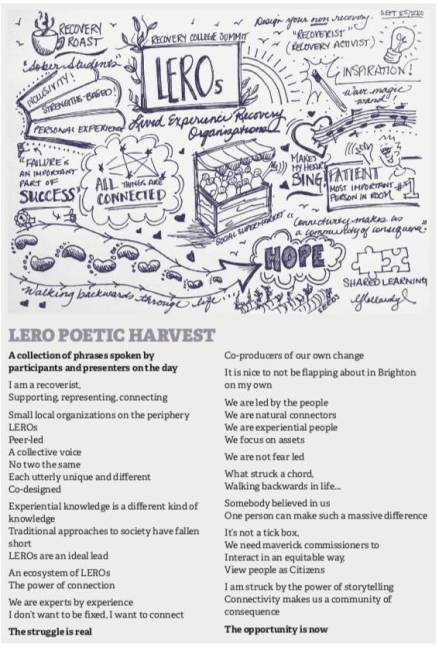 Linking to the Northern Recovery College
 A number of trials are also taking place to provide long-acting buprenorphine to chaotic clients, which means people no longer need to make regular trips to the pharmacy to collect medication – or be supervised taking it, something that many find stigmatising and humiliating. Delphi Medical have so far provided around 25 clients with long-acting buprenorphine, starting around ten months ago. ‘When we first looked at the product it seemed to be aimed towards more stable groups, but the benefits quickly became apparent for the more chaotic group,’ says head of medicines management, Colin Fearns.


 Just under 2,900 of the deaths were as a result of drug misuse, representing a slight – but ‘not statistically significant’ – fall from last year.
  ‘Government inaction’ was contributing to the deaths, added Release executive director Niamh Eastwood. ‘In the last 12 months, two parliamentary select committees – the Health and Social Care Select Committee and the Scottish Affairs Select Committee – have called for drug policy reform in the UK in order to tackle drug related deaths, citing the need for investment in treatment and harm reduction, supporting calls for overdose prevention sites and calling for a review of the law to end criminal sanctions for possession offences. If the home secretary and the prime minister continue to ignore these calls then they will continue to be responsible for the deaths of thousands of people every year. It is time to stop playing politics and listen to the evidence.’


 Laura Bunt, Deputy CEO at We Are With You
  We’ve reached a critical point with drug related deaths – here are five things we all must do better, says Karen Tyrell.
 Increased cocaine purity and greater availability of cocaine has correlated with a national increase in problematic cocaine use. This is particularly evident among women, and we have seen a 24 per cent increase in the rate of cocaine use by women over the last six years. This increase in usage is consistent with the rise in the cocaine-related death rate among women that we are now witnessing.