We can’t assume that all drug use is driven by choice
The most recent drug-related death figures make a mockery of the government’s proposed Swift, certain, tough approach to possession offences. According to the ONS (p16), DRD stats focus on a particular generation, people who are now in their late 40s. Furthermore, regional data show death rates are up to seven times higher in the most deprived areas of England and Wales.
The more we understand about those who are dying, the more we can be equipped to support instead of punishing. Underlying factors are complex including trauma, stigma and lack of opportunity. Mental health issues have been a huge piece of the jigsaw, particularly during lockdown. Fastest rising substances in the league table include an anti-depressant – how could this fit with an assumption that all drug use is driven by choice? Stats underline that we have a lot of work to do in tackling stigma (p8) and offering the right targeted support – and yet again our best option is effective teamwork, from mental health services (p20) to nursing (p22) to commissioning (p12).
DDN is 18 this issue and we’d like to thank you for your support. Whatever challenges we all face, it’s heartening to see lived experience is now shaping policy. If you’ve been with us since November 2004 we’d love to hear from you!
The number of countries implementing key harm reduction services has increased for the first time in almost a decade, according to the latest Global state of harm reduction report from Harm Reduction International (HRI).
The increase has been driven by the launch of new NSP services in five African countries, as well as officially sanctioned consumption rooms in four new countries. Opioid agonist therapy has been introduced for the first time in three countries, while the number of countries with take-home or peer-distributed naloxone programmes has also increased, says HRI.
More than 90 countries worldwide now have needle and syringe programmes, the document states, with 87 offering opioid agonist therapy. Consumption rooms are now operating in 16 countries, and more than 100 countries officially support harm reduction in their national drug policies.
The document warns against any complacency, however, stating that the ‘coverage and scale of harm reduction is still limited’. Huge inequalities remain both within and between regions and countries in terms of access to services, with people in rural areas particularly poorly served. While the vast majority of counties in Western Europe, North America and Eurasia implement both NSP and OST, these are still ‘more absent than present’ across Africa, the Middle East, Latin America and the Caribbean. Harm reduction in prisons also remains limited and has seen little expansion in over a decade, says HRI.
COVID-19 has ‘tested the resilience’ of harm reduction services, the report states, with many services forced to close or scale down during the worst of the pandemic. The invasion of Ukraine and the Taliban retaking control of Afghanistan have also had significant impacts on harm reduction provision, while funding remains an ongoing global challenge. The findings of HRI’s monitoring of investment have been ‘consistently dire’, says the organisation, and this remains the case in the latest report. Only a few international donors fund harm reduction, and their investment appears to be shrinking. ‘In low- and middle-income countries, funding for harm reduction is only 5 per cent of the level needed to meet the estimated service needs for people who inject drugs by 2025,’ says the report. ‘Sadly, the gap between the funding that is required and the funding that is available has only grown wider in recent years.’
UNAIDS executive director Winnie Byanyima
‘The Global state of harm reduction 2022 shows the positive changes that communities and civil society are making among people who use drugs through evidence- and rights-based harm reduction services,’ states UNAIDS executive director Winnie Byanyimain the document’s foreword. ‘The good news is that change is possible and within reach, as long as governments and donors invest in community-led solutions that work. It is not only the right thing to do, it is their duty. Access to healthcare is a human right for all of us.’
With You outlines its response to the Government white paper, ‘Swift, Certain, Tough: New Consequences for Drug Possession’.
The UK government published a new ‘Swift, Certain, Tough: New Consequences for Drug Possession’ white paper outlining new ‘consequences’ for the possession of recreational drugs. The white paper proposes to reduce demand by targeting recreational drug users, creating a new three tier framework for possession offences.
Tier 1 — would see people would be required to pay a fixed penalty notice and attend a drug awareness course. Failure to pay/attend would lead to criminalisation.
Tier 2 — would see people instead of being charged, being offered a caution which would include, where proportionate, a period of mandatory drug testing alongside attendance at a further stage drugs awareness course.
Tier 3 — a person would be charged and a court could impose one or more of the following interventions: an exclusion order, drug tagging, passport confiscation, driving licence disqualification. The white paper also proposes increasing the range of Class A drugs that can be tested for on arrest, extending this power to Class B drugs, and expanding the types of offences that would allow police to test on arrest.
In With You’s response to the consultation, we welcomed aspects of the diversionary proposals in the white paper and its attempt to create a more uniform approach to how police deal with drug offences. It should not be a ‘postcode lottery’. How police deal with drug offences should not be determined by where in the country they are. The desire to address this problem should be commended.
However, we expressed concern with many parts of white paper. We highlighted that the proposal requiring people to pay for a drug awareness course, or pay an enhanced fine for non-attendance, will disproportionately impact people on lower incomes. Many people will not have the means to pay for these courses or fines, and we believe this would create a profoundly unjust system where some people who can afford to pay will be able to avoid further penalties. Whether someone is diverted from the criminal justice system should not be dependent on whether they have the means to pay or not.
We argued that mandatory drug testing can be stigmatising, disproportionate, expensive and ineffective. It can lead to significant net-widening, meaning more people end up being brought into contact with the criminal justice system. We know this can have a significant impact on people’s lives, negatively affecting their employment or family responsibilities, as well as their right to privacy. Mandatory drug testing can also have unintended consequences, resulting in people using more dangerous synthetic drugs which may not show up in a drug test, or drugs which are detectable in the body for a very short amount of time.
We also expressed our concerns with the interventions at tier 3, where individuals can receive a drug court order, including an exclusion order, a drug tag, have their passport confiscated and/or have their driving licence disqualified. We believe these interventions lack an evidence base in reducing demand, are disproportionate for drug possession offences and could have significant long-term impact on a person’s employment and family responsibilities. We also argue the proposal to introduce bans on attending football matches and nightclubs lack evidence and will also do little to reduce recreational drug use.
Though they may be well intentioned, as a package of proposals, the white paper feels muddled and confused. They attempt to increase the punishments imposed on drug users while also attempting to divert drug users from the criminal justice system. The Government has recently asked the Advisory Council on the Misuse of Drugs, an advisory non-departmental public body, to review the proposals in the white paper. This is a welcome next step and we hope this will lead to the proposals being revised to ensure they are evidence-based, proportionate, and are focused on diverting people away from the criminal justice system.
The Princess of Wales has on the first day of Addiction Awareness Week sent a message of support for the Taking Action on Addiction campaign.
As part of her message, Her Royal Highness speaks directly to those suffering with an addiction, reminding them that they are dealing with a serious mental health condition, that can happen to anyone and urges them to seek out help. The Princess also highlights the role society has to play saying:
“Attitudes to addiction are changing. But we are not there yet, and we need to be. Still the shame of addiction is stopping people and families asking for help and people are still tragically losing their lives.
“We as a society need to recognise that the only way to help those suffering is to try and understand what has led them to addiction, to empathise with them and to be compassionate to their struggles.”
Her Royal Highness goes on to reiterate her support for the campaign saying:
“Addiction is a serious mental health condition that can happen to anyone, no matter what age, gender, race or nationality.”
Led by the Forward Trust alongside a number of charity partners, Taking Action on Addiction aims to reframe existing perceptions of addiction, build awareness of the causes and nature of addiction, improve understanding, reduce prejudice and enable more people to ask for and receive help. Now in its second year, the campaign runs during Addiction Awareness Week from Sunday 30th October to Sunday 7th November.
Mike Trace, Chief Executive of The Forward Trust, launches the week saying:
“Addiction Awareness Week speaks directly to people impacted by addiction, offering support and understanding so that more people ask for and receive help.
“At a time when addiction is growing across the UK it is crucial we build awareness of its causes and act quickly to stop this tide, to get in early to reduce the impact on families and children, and make sure that people are able to access the support and treatment that we know makes recovery from addiction possible.”
Over the last ten years The Princess’ experience working with addiction charities has helped lay the groundwork for her understanding of the complexities of mental health and has informed much of her work on the early years. Experiences in early childhood, before the age of five, are proven to have significant impact on adult lives, including resilience and the ability to cope with adversity.
SIG Penrose, in partnership with His Majesty’s Prison and Probation Service (HMPPS), has announced the opening of a new accommodation and support service in Lambeth.
Penrose Drive is a flagship 25-bed Approved Premises for men leaving prison and who, as with all prison leavers, are subject to probation supervision. Operating 24/7, seven days a week, it is a crucial bridge into the community, helping people living at the AP reintegrate safely into society whilst protecting the public. The service provides temporary but vital accommodation in a psychologically informed and enabling environment with high levels of support, supervision and complex care.
To make as much of a positive impact on the lives we support, our dedicated staff team have a unique approach to working with them, underpinned by our Theory of Change. This transformation journey focuses on three elements to make a crucial difference: identity, relationships and community.
Penrose Drive builds positive and supportive relationships to help those in our care to lead positive and independent lives and turn their back on crime. We reconnect them with their families and help them find permanent homes in new surroundings. We provide a comprehensive schedule of purposeful activities and interventions. In combination, we aim to reduce the risk of reoffending, improve self-confidence and resilience, and further employment, training and education opportunities.
Having a history of rehabilitation service delivery in community and prison settings, we know how essential Approved Premises are in supporting positive resettlement and public safety. HMPPS’s Approved Premises Expansion Programme (APEX) seeks to create a minimum of 200 additional bed spaces in APs across England and Wales by March 2024. Penrose Drive is part of our commitment to support the creation of beds as part of APEX.
Gill Arukpe, CEO of the Social Interest Group (of which Penrose is a member), said:
“We are delighted to have been allowed to deliver our vision of the AP here at Penrose Drive and support HMPPS with the APEX programme. Within our criminal justice services, this feels like a natural progression from our CRC contract, where we delivered statistically significant reductions in reoffending. The service helps build on our work in the CFO Activity Hubs and the recent Enabling Environments award achieved by our Offender Personality Disorder services. We don’t underestimate the challenges to overcome in successfully embedding this service or the difficulties faced by the people we support navigating the changing world around them. We are confident that working in partnership with probation, our unique approach, and robust risk management can make a lasting positive impact on the men we support.”
Penrose Drive continues the legacy of our founding members, who were ex-offenders, with a vision to create a charity that improves ways of reintegrating people leaving prison — teaching them the skills to make new and meaningful lives for themselves.
Located in Hull, The Bridges is Forward Trust’s 12-step residential rehab centre for men only who have struggled with alcohol and/or substance misuse.
The centre is also one of the few facilities in the UK with a strong history of working with those with a criminal and offending background.
We offer first and second-stage treatment programmes, each 12 weeks long. First Stage Primary treatment is £700 a week and is specifically geared towards addressing substance use and offending behaviour, and is built around steps one to five of the 12 step programme. Clients are encouraged to reflect on their addiction and offending behaviour and to recognise the need for recovery support. This stage of treatment also supports them to examine attitudes and behaviours, identifying those that may have been unhelpful in their life and also those which can be used as positive resources to support them in recovery.
“I am leaving The Bridges, 90 days clean, I have learnt to deal with my anger/stress in a more positive way, learnt to cook, learnt to read and write properly, built healthy relationships with peers and staff, learnt to see my part in things and learnt to sew and craft.”
Clients who have completed primary treatment with us can choose to stay for Second Stage treatment (£650 a week), this stage is focused on developing the principles of steps one to five completed in Stage One treatment: honesty, hope, faith, courage and integrity to sustain and grow their recovery.
They are empowered to develop supportive relationships, both inside the treatment community and with others to support their recovery, including finding a Sponsor to support them through further steps. They will also be supported to explore and develop meaningful recovery-focused activities, such as volunteering or training and education. As a secondary member of the house, they are now be modelling a healthy recovery attitude and behaviours to their peers.
“This is my third treatment centre and is hands down the best. I found being in small intimate groups amazing as it allowed me to open up. I found all the staff and volunteers amazing, and I have got something out of every one of them. Just a big thank you to everyone at The Bridges.”
Life after treatment can be difficult, at The Bridges we recognise that and can offer continued support if needed – we call it ‘Moving On’. Focusing on developing the necessary tools for sustaining recovery, reintegrating into the community and moving forward with resettlement. Clients are encouraged to continue engaging with and developing the meaningful recovery-focused activities they began in Stage Two.
“It has been a really good day and I feel excited to be part of this group and to be 60 days clean. I never thought that would be possible and I feel so proud for doing it.”
After completing treatment with us, clients are supported to return to their home area or can choose to remain in Hull and are supported to register with Hull City Council for council housing and can stay in their Bridges accommodation until they find their own property. We will also support them to apply to grants to furnish their property with essential items and provide a weekly tenancy support session for the first six weeks of their new tenancy. They are encouraged to stay in touch and can become a Peer Supporter to give back and support their own recovery.
“I want to tell you how grateful I am to The Bridges and the staff there. They were so nice, and I know I wouldn’t have got to where I am today without the staff and how much hard work they put into helping me through my journey.”
Safe Ground charity will be joining the Social Interest Group of charities
‘I am very pleased to announce that on 1st November 2022, the Social Interest Group is looking forward to welcoming Safe Ground as a new subsidiary into our Group of charities’, said Gill Arukpe, CEO, Social Interest Group.
‘Safe Ground brings a long history of pioneering design and delivery of effective group work programmes, which they deliver in prisons across the UK. These programmes benefit and impact by reducing re-offending. They make a difference to those who attend the programmes from within the criminal justice system and their families. There are additional programmes available and bespoke programmes for prison and probation staff.
Gill Arukpe, Group Chief Executive of The Social Interest Group
I am immensely grateful to Charlie Weinberg, CEO of Safe Ground, for building evidence-based programmes that make a difference in people’s lives. I am also thankful to Charlie Weinberg and the Safe Ground Board of Trustees for their vision and commitment to joining the Social Interest Group. I am committed to supporting the good work of Safe Ground to ensure it continues to grow and make a difference in people’s lives.’
Charlie Weinberg, CEO of Safe Ground, summarised her sense of the moment:
Charlie Weinberg, CEO of Safe Ground
‘Safe Ground has been a labour of love for me for 12 years. I have learnt and grown with the organisation, and the success of moving it into the Social Interest Group is a way of demonstrating our values into action. The integrity, values and open approach the Social Interest Group has shown match our priorities. We look forward to building on our long history together.’
Diane Lennan, Chair of Safe Ground, said: ‘As Chair of Safe Ground, it has been a privilege to work with the ambition, commitment and dedication of the staff and Board members. We are delighted to share our future with the Social Interest Group.’
The Social Interest Group (SIG) is made up of subsidiary charities that collectively believe that everyone has the right to live a positive and healthy life. Its members, Penrose Options, Equinox Care, Pathways to Independence and SIG Investments work in partnership to deliver high-quality support, health, and social care, through prevention, early intervention, recovery, and rehabilitation.
Safe Ground pioneered family relationships programmes in UK prisons. In partnership with the Ministry of Justice, Family Man and Fathers Inside, Safe Ground developed the first-ever arts-based family programmes for men in prison and their families. The organisation achieved the first-ever MoJ Data Lab analysis and a 40% reduced re-offending rate, delivering direct work to 8,000 men in 80 prisons.
The British Liver Trust has launched a new support and information service for people affected by liver cancer, in response to rapidly rising cases of the disease. Liver cancer incidence rates have increased by 45 per cent in the last decade, while the death rate has increased by 40 per cent, making it the fasting rising cause of cancer death in the UK.
More than 6,000 people are diagnosed in the UK each year.
Liver Cancer UK will provide a ‘focus for action to address this devastating situation’, says the British Liver Trust, as well as aim to improve the lives and outcomes of those diagnosed and reduce the number of cases. More than 6,000 people are diagnosed with liver cancer in the UK each year, of which just 13 per cent survive for five years or more, with survival rates depending on the stage of the disease at diagnosis. Almost half of cases, however, are diagnosed in an emergency setting, such as A&E. The disease is most common in people who already have liver disease, especially cirrhosis, which is most often caused by alcohol, hepatitis or obesity. The service has been launched ‘so that everyone living with liver cancer has better access to high-quality information and we can better advocate on their behalf’ the trust states.
Pamela Healy: This situation needs to ‘urgently change’
‘We’ve created new resources and a website with targeted information to make it easier for people to get the help they need,’ said the trust’s chief executive Pamela Healy OBE. ‘The new programme of activity is in response to the very worrying increase in cases across the UK. We’re also deeply concerned that survival rates for liver cancer remain so low. It’s a situation which needs to urgently change. Liver Cancer UK, as part of the British Liver Trust, will be dedicated to saving and improving the lives of people affected by liver cancer by raising awareness, providing support and campaigning for faster diagnosis and more research into treatments and cures.’
WDP’s service users will receive SIM cards with free mobile data (and texts and calls) via the Good Things Foundation’s National Databank.
This new initiative will support service users to access online groups and support and manage day-to-day tasks. The pilot has started in WDP’s Brent, Cheshire West and Chester, Greenwich and Merton services with the intention of rolling out to other services in the future.
Anna Whitton, CEO of WDP, said: “We’ve been working with service users to explore access to and the benefits of online resources and support. Very quickly it became clear that one of the most significant barriers to access was the cost of data. It’s great to have been able to find a solution to this specific issue, which responds directly to the needs of our service users and will also respond to digital inclusion issues more broadly.”
Annabel Hudson, BRIC Coordinator at WDP Merton said: “We have many service users who are experiencing data poverty and are unable to afford data. This can have a significant impact on their recovery especially considering many groups and mutual aid in the community are delivered through online meetings and groups. Those who do not have access to Wi-Fi and are unable to afford data for their phone are excluded from accessing a variety digital support which would greatly benefit their recovery from substance use as well as other aspects of their lives, such as the ability to look for and apply for jobs. Having access to data will open many doors and provide many more opportunities for disadvantaged service users.”
WDP has also received a Digital Inclusion Capability Grant from the Good Things Foundation to purchase laptops and Chromebooks to set up ‘IT cafes’ for service users in two WDP services.
Support provided through the IT cafes will include:
Access to the internet and support to set up an email account
Facilitating access to essential online forms (e.g. GP registration/appointment) and documents
Basic IT skills training e.g. using Microsoft Word and access to online resources
Facilitating access to free certified online courses
Bills and debt management resources and advice
Employability resources, job searching and application form support.
Survivor’s guilt is a painful aspect of recovery that doesn’t get the attention it deserves, says Jamie Gratton.
One of the things they never prepare you for when entering into recovery is survivor’s guilt – a condition of persistent mental and emotional stress experienced by someone who has survived an incident in which others died. The truth of the matter is if you decide to enter into recovery, you will most likely have friends and acquaintances who continue to use.
When you get sober, you’ll make friends with other people in the recovery community, and the sad truth is that some of these amazing souls are likely to relapse, with tragic consequences.
Jamie Gratton is operations director at Staywell Derby CIC
I’ll never forget the first time I felt survivor’s guilt during my recovery. I was a few months into my recovery journey, and it was around that time that I experienced what many people feel when substances leave their bodies and their minds clear. I was starting to feel at ease in my new sober skin, and for the first time in a long time my entire body felt alive. The people and environment around me felt electric, and I felt like a child again – everything I was experiencing was like I was seeing life in colour for the first time. And in some ways, I was – so much of my life had been lost due to substances and mental health issues.
It was at this time that a great friend and peer mentor, Paul, who had been in recovery for about three years, lapsed due to life and family issues. He started to spiral out of control and very quickly we lost him. And the truth of the matter is, this is a very common story. This is when the survivor’s guilt first hit me. Why did I not see the signs? I should have been there – it should have been me. And being truthful, I didn’t handle these feelings of guilt very well.
Even after 25 years in recovery, I still haven’t found a way to deal with this. Yes, I can cope and work through it, but every time it hits me. It brings doubts and raises questions like, ‘Why me – why have I managed to get clean and someone else didn’t? What makes my story different? Why do I deserve to live and they don’t?’
Your thought process spirals and you can end up analysing everything. Could I have done anything different? Maybe if I hadn’t walked away from them, I could have saved them. If only I’d tried harder to get them in recovery. Now logically, I know that no one can be in charge of someone else’s recovery, and no matter how much you try to help someone, only they can take the steps needed. But the feelings of guilt, if not dealt with, could lead to lapsing on your own recovery journey, so it’s really important to not only acknowledge these feelings but to do something about them.
This is where I have found focusing on my emotional recovery comes into play.
Emotional recovery often includes establishing a self-care habit. Moving your body on a regular basis, engaging in calming or relaxing activities, eating well, and getting enough rest are all staples of self-care routines. Having someone to lean on while dealing with survivor guilt is also very important. A person might feel more understood by talking to others who’ve been through the same thing – joining a support group, or seeing a trusted mentor.
Even finding a method to remember or celebrate the departed may be therapeutic for some people. All these things help me deal with that guilt I get when someone I know passes away due to addiction. Now I’m not sure if I’ll get to the time in my life and recovery where I don’t feel like this, but if I am truthful, it’s one of the reasons behind what I do and why I’m passionate about recovery and shout about how recovery not only changes lives but saves lives.
So, I’ll leave you with this – survivors’ guilt is a part of recovery, but you can also learn to control how you react to it. Remember that we may lose people in our recovery journey, but you are worth your recovery, you deserve your recovery, and you have control over your recovery, no matter what.
More than 320 drug poisoning deaths were registered in Wales last year, an increase of 44 per cent on 2020’s figure, according to new statistics from Public Health Wales. Sixty-five per cent of these were classed as drug misuse deaths.
Two thirds of the drug deaths involved a combination of drugs, including prescription medications and alcohol. As is the case with Scotland and England’s ongoing drug deaths crises, drug misuse deaths were disproportionately concentrated in deprived areas, with the death rate five times higher among those living in the most deprived quintile. Opioids were reported in more than 70 per cent of the deaths, of which more than 90 per cent involved heroin/morphine.
Most of the deaths were in the 40-44 age range, although there were 13 among the under-25s. Although the overall ratio of male to female deaths was around 3:1, 2021 saw the highest ever number of female deaths, at 57.
Head of substance misuse at Public Health Wales, Rick Lines
‘Premature deaths from drug use are preventable,’ said head of substance misuse at Public Health Wales, Rick Lines. ‘Each drug-related death has a considerable and long-lasting impact upon the individual’s family, peers and communities. Whilst the impact of drug deaths are experienced by the whole socio-economic spectrum, they are more than five times more likely to occur in those living in the most deprived areas in Wales compared to the least deprived.’
Deaths involving cocaine had more than doubled over the last five years, he added, while the increase in deaths involving benzodiazepines was also concerning. ‘Wales operates a number of effective initiatives aimed at preventing or reducing drug deaths, including the national take-home naloxone programme and access to specialist substance misuse treatment. In the last year, naloxone was used in 288 overdose events, with only three deaths reported. However, in light of the scale of drug deaths in Wales, evidence on the impact and influence of different level policies and practices, and their role as barriers or facilitators to reducing drug deaths, is required to inform change.’
Alcohol Health Alliance chair Professor Sir Ian Gilmore called the increase ‘devastating’.
Meanwhile, the ongoing upheaval in Westminster has led to a reverse of the planned freeze in alcohol duty announced by then-chancellor Kwasi Kwarteng, a decision that has been welcomed by campaigners. ‘As death rates from alcohol remain at record high levels, alcohol duty is fundamental in reducing the public health burden caused by alcohol,’ said Alcohol Health Alliance chair Professor Sir Ian Gilmore. ‘We are hopeful that this represents the start of a new approach to alcohol harm from the government, with the enormous costs from alcohol harm better offset with fairer duty policies.’
Blackpool is among the areas to benefit from research to level inequalities
Thirteen local authorities are to receive money from a £50m ‘research boost’ to tackle health inequalities, the government has announced. The money will be used to address challenges including drug use, poor mental health and obesity to ‘improve health outcomes across the country’.
The investment will be overseen by the National Institute for Health and Care Research (NIHR) and used to set up Health Determinants Research Collaborations (HDRCs) between academics and local government. This would help to rectify local ‘knowledge gaps’ and make sure health disparities are being properly addressed, the government states.
Among the HDRCs are Lambeth and Tower Hamlets in London, as well as Aberdeen, Blackpool, Gateshead, Plymouth and others. The move is part of the government’s commitment to ‘empower people to live healthier and longer lives regardless of their background or where they live’, it says. A new resource developed by the Office for Health Improvement and Disparities (OHID) – Health disparities and health inequalities: applying All Our Health – has also been launched, aimed at frontline and senior staff along with commissioners and others.
Robert Jenrick: ‘Everyone should be able to live long. healthy lives.’
‘The pandemic shone a light on the stark health inequalities that exist across the country – we are committed to levelling up the health of the nation,’ said health minister Robert Jenrick. ‘This funding will drive progress to address health challenges locally, particularly in the places and communities most affected by ill health such as high levels of obesity, drug use and poor mental health. Everyone should be able to live long, healthy lives regardless of their background and where they live, and this new research will help us deliver on our ambition.’
The announcement comes a day after the Guardian reported that health secretary Thérèse Coffey intended to abandon plans to publish a tobacco control plan this year – according to ‘Whitehall insiders’ – representing the government’s latest ‘controversial U-turn on public health’. While DHSC stated it was ‘inaccurate’ to report that the tobacco plan was being abandoned it did not say ‘if or when it would publish it’, the article said. Ditching the plan would be an ‘own goal’ given smoking’s ‘uniquely devastating impact on health’, ASH chief executive Deborah Arnott told the newspaper.
The Women’s Treatment Working Group are a national collective of drug and alcohol treatment providers. We are working together to ensure that women receive effective and appropriate community and residential drug and alcohol treatment services.
We call upon local authorities, commissioners, and policymakers to ensure that women who are struggling with substance use and presenting to services as ‘homeless’ are given the opportunity to access safe and appropriate accommodation.
Across our networks, we are working with women who experience numerous vulnerabilities, such as complex trauma, substance misuse issues, sexual exploitation, domestic abuse, and sexual violence.
We find the specific framing of ‘women’s homelessness’ to be unhelpful and believe that homelessness is better understood as an outcome from one of more of these vulnerabilities.
When we focus upon a woman’s unmet need through the lens of homelessness, we risk underplaying the significance of these other important contributory factors.
Many vulnerable women are falling through the cracks when it comes to accessing safe refuge accommodation. For far too long women have been described as ‘complex’ and ‘homeless’ when the reality is that women are often experiencing serious levels of abuse and trauma.
The correct terminology would be victim/survivor, who requires safe refuge, not a general homelessness response. They require safe refuge accommodation that reflects their experiences.
We are delighted to announce that The Ley Community and Phoenix Futures will be working together to develop a new residential treatment service on the grounds of The Ley Community in Oxford.
The service will build on the two organisations’ common history of delivering the Therapeutic Community model. Phoenix and The Ley Community are pioneers in residential treatment in the UK and colleagues in the European Federation of Therapeutic Communities.
With a combined history in addiction treatment of more than 100 years, this is a unique opportunity. Over the last 10 years 40% of residential treatment services have closed due to restricted funding. In light of the additional funding, and commitment to residential treatment under the UK Drug Strategy, we believe now is the ideal time to create this partnership.
Darren Worthington, Chief Exec The Ley Community
‘We are excited to be working with Phoenix to ensure that The Ley Community’s legacy will carry on. We share a common passion for supporting people who find it impossible to access the range of support they need in the wider community. This new service will offer hope for some of the most vulnerable people in society ‘
Darren Worthington, Chief Exec The Ley Community
Karen Biggs, Chief Exec Phoenix Futures
‘This is a partnership with huge potential. This new service will offer vital additional residential treatment beds and life-saving and life changing opportunities for recovery. We will be working hard to honour the legacy of The Ley Community and support people across the UK whose needs are not being currently met.’
US president Joe Biden has officially pardoned thousands of people who have convictions for possessing cannabis. The pardons are for ‘simple possession’ offences, and do not extend to convictions for selling or trafficking the drug.
President Biden: Sending people to prison for possession has upended too many lives.
‘As I often said during my campaign for president, no one should be in jail just for using or possessing marijuana,’ he said. ‘Sending people to prison for possessing marijuana has upended too many lives and incarcerated people for conduct that many states no longer prohibit. Criminal records for marijuana possession have also imposed needless barriers to employment, housing, and educational opportunities.’
Black people were also far more likely to be arrested, prosecuted and convicted for cannabis offences, he added, despite using the drug at similar rates to white people.
The pardon covers all prior federal offences for simple possession of cannabis, and a process has been initiated for certificates of pardon to be issued to anyone eligible. This is in order to tackle the issue of people being denied employment, education or housing as a result of their conviction. Biden is also urging the governors of every US state to issue pardons for state offences, he said, as well as initiating a review process into how cannabis is scheduled under US federal law. ‘Too many lives have been upended because of our failed approach to marijuana,’ he said. ‘It’s time that we right these wrongs.’
‘We are thrilled to see President Biden holding true to his commitment to pardon every person with simple marijuana possession charges at the federal level,’ said executive director of the Drug Policy Alliance NGO. ‘And we are further encouraged by his efforts to get governors to take similar actions at the state level. This is incredibly long overdue. We, however, hope that the Biden Administration will go further and fully de-schedule marijuana from the Controlled Substances Act (CSA), rather than initiate a process that could lead to rescheduling.’
See November’s DDN for a report from HRI’s latest Constellations event, featuring a discussion between The Wire creator David Simon and ex-mayor of Baltimore Kurt Schmoke on US drug laws, decriminalisation and harm reduction
WDP and Box Up Crime are offering young people in Redbridge who have experience of drug or alcohol issues the opportunity to get motivated and active in a fun and relaxed space.
Box Up Crime will enable young people who use the Capital Card in Redbridge to use enjoy free gym passes and have a discounted membership in exchange for Capital Card points.
The Capital Card is an award-winning reward card scheme which empowers WDP’s service users. It rewards people for their engagement at their local service, through a simple earn-spend points system. They can earn points by attending appointments and then spend their points on positive activities in their local community, such as the cinema or gym.
Max Griffiths, Capital Card Manager at WDP, said, “We are delighted that Box Up Crime is joining the Capital Card Spend Partner family. The young people we work with in Redbridge will really benefit from these inspirational sessions and access to their leisure facilities, to help improve both their physical and mental health and wellbeing.”
Rob Harris, Operational Manager at Box Up Crime added, “This is an amazing opportunity for us at Box Up Crime to be involved in the great work of supporting people on the road to recovery. We strongly believe that working in partnership we can have a greater influence in the work we all do, so it is an honour for us to be part of the Capital Card family. We look forward to sharing many successful outcomes in the future.”
Participants and residents from SIG’s Southampton Way (SWAY) service took part in the planting, nurturing, and watering of a plot of spinach in the service garden with the support of recovery worker Olalekan Oladipo.
The participants and residents played important roles looking after the plot.
They all took the initiative to retrieve the water hose from storage and ensured the vegetables were well looked after and adequately watered.
On Wednesday the 7th of September, the participants and residents agreed to harvest the spinach. They felt happy that they were able to grow their own food and were happy and excited about their joint efforts in nurturing the vegetables from seeds to maturity.
After the harvesting, the vegetables were taken to the service kitchen, washed thoroughly and prepared for consumption.
The harvested spinach was made into a lovely stew by the service chef, and everyone it along with their dinner.
A safe and secure currency for people experiencing homelessness has been launched to help bring choice back to those on the streets. Jon Hope explains its purpose and how the scheme is being adopted across the UK.
World Homeless Day always brings our work into sharp focus. Although the government provided temporary support for rough sleepers during the pandemic in many parts of the UK, the situation for those on the streets is now worse – especially with many people continuing to work from home and spending less time in town and city centres. This means there’s less awareness of the problem, but according to the Observer 130,000 households were made homeless in 2020*, and this year the cost-of-living crisis and risk of a deep recession will only make things worse.
BillyChip was the idea of my late son, Billy Abernethy-Hope, who was an ambulance driver in Bristol. After helping support those on the streets himself – both personally and through his work – Billy was left disheartened at how little the general public gave to homeless people, for fear of the money being used for drugs or alcohol. Billy’s ambition was to find a solution to this problem and the seeds of the BillyChip scheme were sown.
After losing Billy in a road accident in Thailand our family established The BillyChip Foundation in 2018 as part of our commitment to create a legacy for Billy. The BillyChip is the first currency platform for those who are homeless or sleeping rough, and helps remove stigma – allowing members of the public to overcome some of the barriers they might have when choosing whether to give. Although BillyChip is not the solution to homelessness, it can play a huge part in supporting those living rough.
‘You’re fabulous and don’t you ever forget it!’
Billy’s much-loved phrase is printed on every BillyChip. The words don’t just mean a lot to his family – they send a clear message to the person buying or exchanging the chip too.
How the scheme works
After joining the BillyChip scheme members receive a starter pack containing BillyChips, stickers, cards, posters and decals.
BillyChip is the first scheme of its type in the UK, and offers a safe and secure currency. People can buy a BillyChip token online or from participating food and drink outlets – most often, we see people adding a BillyChip to their own tea or coffee order at a café. The purchased BillyChip can then be passed on to rough sleepers and homeless people as an alternative to cash, which they can then redeem for food, drink or – in the future – other products.
Outlets joining the scheme receive a starter pack containing BillyChips and point-of-sale materials. Each month, they supply details of chips sold and redeemed and receive a payment to cover the costs of redeeming a BillyChip. Volunteers are helping spread the word too, encouraging their local cafés and outlets to get involved.
For those who want to give something to support someone on the streets, it removes any hesitancy about giving money to a rough sleeper. Instead of worrying that money will be used for drugs and alcohol, the BillyChip ensures that any exchange is only for food and drink. Using a BillyChip also promotes human interaction and conversation, without the worry that the person handing over the chip might be contributing to a habit.
Bringing back choice
Meg Abernethy-Hope and John Hope outside a Greggs outlet. Greggs are currently trialling BillyChip in seven outlets across Bristol.
BillyChip also means those on the streets can go into a café or restaurant to order and pay for a food or drink item of their choice – and it’s this choice that’s a vital part of the equation. It recognises that those who are homeless may have their own dietary issues, as well as particular likes and dislikes. Being able to order a coffee with a particular type of milk, or a gluten-free sandwich with a favourite filling is important too, especially for that individual’s self-esteem given the particular challenges they are facing.
Growing the scheme across the UK
After establishing ourselves in Bristol, BillyChip enjoyed some great local support – firstly with independent cafés, and then further afield. Some of our local emergency services started championing BillyChip too, with the police community support officers (PCSOs) in our local police force, Avon and Somerset Police, wearing interactive BillyChips on their uniforms to help raise awareness. The PCSOs use the chips as a reminder of the scheme and to create a talking point with the community as they go about their work.
As the scheme picked up pace and expanded across the South West we began working on a partnership with Greggs, who are currently trialling BillyChip in seven of their outlets across Bristol city centre. And we’re also in the process of launching the scheme in London, through our partnership with Change Please and AMT Coffee.
According to Shelter 274,000 people were registered homeless in 2021, and 70,000 households were under threat of becoming homeless.
Spreading our reach
Avon and Somerset PCSOs carry the tokens on their stab vests and guide homeless people to the nearest shop that accepts them.
Our work has seen us being able to offer BillyChip across a growing number of outlets in the UK, but we’re determined to do more. The aim is to spread kindness and compassion to the homeless community and ensure that the BillyChip is available in every high street across the UK.
We also want the concept of a cashless currency to develop further to support the homeless community. As we expand, it’s clear that BillyChip’s potential can grow. For example, even some of the charities with retail outlets whose remit is to help the homeless don’t offer them any concessions, making their retail offerings inaccessible to the very people they are intended to help. We’re hoping that the BillyChip can overcome this and allow rough sleepers to buy clothes and other items from these shops.
There’s a lot we can – and want to – do, and we’ve been encouraged by how our simple scheme has been so recognised and adopted in a fairly short space of time.
With You staff share what Recovery Month means to them in hope that their experience will inspire others.
Recovery Month is a time to celebrate the gains made by those in recovery, and remind those at the beginning of their journey that they are not alone. It’s an opportunity to let everyone know that although every journey is different, we’re all in this together.
This Recovery Month, we want to celebrate our lived experience workforce whose commitment, dedication and passion is essential to the work we do.
Iain Donald, Recovery Worker, With You in Glasgow North East Recovery Hub.
Personally, every month, every week, every day is about recovery for me.
I was born and brought up in a small village on the outskirts of Aberdeen in Scotland. Around the age of 17, I started using ecstasy and other party drugs on the weekends because my friends were doing it.
I started experimenting with heroin when my relationship ended in the 2000’s and that was the beginning of my downward spiral.
I constantly borrowed money from my parents, making excuses about what I needed the money for and if that failed, I stole from them. I also started breaking into pubs and shops, and eventually got arrested at the age of 26. I was sentenced to a year in prison.
I started using drugs again almost immediately after I was released and eventually sold drugs for some major drug dealers, who paid me with a personal supply of crack and heroin. During this period of chaos, I overdosed three times, each time requiring hospitalisation. I also did try to stop using drugs, but relapsed several times.
And then in March 2010, I started a structured day programme designed to help a person learn to cope with daily life without substances. I completed the programme in March 2011 having been drug-free for a full year and began studying for a Higher National Certificate in Social Care in September 2011.
Earlier on in 2011, a group of friends and I created RAFT (Recovery Aftercare, Friday Time), a recovery safe haven for people looking to move away from their substance use. It grew rapidly and in September 2011, RAFT was awarded the UK’s first Recovery Champion Award — an award made by the Recovery Academy and Wired In To Recovery.
I celebrated my second anniversary of being free of substances in March 2012, an event which stands out for me because it represented my longest period of time without drug use since starting my recovery journey back in 2006.
I have found that having a certain level of lived experience has allowed me to perform at a higher level. I’m able to identify with individuals in recovery and assist them by asking the right questions.
These skills however are not unique to individuals with lived experience. A sense of empathy and a desire to help others during a period of difficulty in their lives is always important.
I’ve also found that people open up quicker when they know they’re dealing with someone who’s been through their experience.
Julie Bass, Chief Executive at Turning Point, explores the challenges posed by Integrated Care Systems (ICSs).
It’s official – Integrated Care Systems (ICSs) are now here as statutory bodies and there is great opportunity to utilise a system-wide approach to integrate care, improve population health, and reduce disparities. However, the present environment will prove challenging terrain for the 42 new ICSs to navigate.
The demand for services is rising – with recent figures showing increasing ambulance waiting times, deepening elective care backlogs (currently 6.84 million people), and the fact the number of people waiting for community mental health care has risen to 1.2 million.
Meanwhile, the cost of living crisis is cutting into department budgets and workforce shortages have reached a record high – the Expert Panel health and social care workforce report emphasises the lack of a workforce strategy at a national and local level. Together, these pressures threaten a ‘winter health service emergency’.
These realities have begun to translate into public pessimism regarding the state of the NHS – with a recent study by the Health Foundation finding that a majority of people think the general standard of care has worsened in the past 12 months in health (55%) and social care (56%). It is important to note, however, that whilst the public wants a better health service, there is no appetite for a departure from the NHS model.
These challenges strengthen the call for an integrated response from services across the health and social care system – and ICSs are well positioned to facilitate this – yet given escalating pressures there is the risk that ‘ICSs won’t be given the chance to succeed.’
Tackling mental health
An essential focus for newly established Integrated Care Boards (ICBs) is promoting an increased level of parity for mental health. Issues with mental health service provision run deep – with a paucity of community and crisis services, chronic under-investment, and bed shortages – increasing pressures on emergency departments.
The key to achieving parity for mental health is recognising that it is deeply entwined with many other factors impacting our day-to-day lives, including debt and finances, employment, and access to housing or benefits.
Any plan addressing mental health therefore has to detail how multiple parties will come together to put mental health at the very centre of everything they do, particularly against the backdrop of the pandemic and the unfolding cost-of-living crisis. Back in August, 17 mental health groups (including the Association of Mental Health Providers of which Turning Point is a member organisation) penned an open letter to the government on this topic. Such a plan needs to be a top priority for both ICSs and Thérèse Coffey as the new Health Secretary.
Reducing health inequality
In the decade leading up to the pandemic, improvement in health across the UK slowed substantially – with widening inequality, and the health outcomes of the poorest in society worsening.
ICSs are now being tasked with leading efforts to identify and reduce health inequalities within their geography, combined with wider aims of improving population health and contributing to social and economic growth.
Despite the challenges across the country, there are some great examples of place-based partnerships taking action on the prevention agenda, reaching people with multiple and complex needs, who in the past, have fallen through the gaps.
The notion of digitalising the prescription service was first conceived in 2003 as part of the bigger National Programme for Information Technology (NPfIT). Although the initial project had a budget of £6.2bn, it failed to deliver changes and subsequently did not improve services or patient care as expected. The mantle to digitalise the service has gone through various iterations over the years – Connecting for Health, Health and Social Care Information Centre (HSCIC) and finally NHS Digital.
In July 2019 a new unit, NHSX, was created as a working collaboration between the Department of Health and Social Care (DHSC), NHS England, NHS Improvement and industry. NHSX is rolling out an electronic prescription service (EPS) via phased software releases.
The principle of an EPS system is that an electronic prescription is generated and is sent to the NHS spine (a secure NHS database) where it can be retrieved by the pharmacy team. One of the main benefits is that the electronic prescription can be tracked throughout the system and therefore cannot be lost.
According to the online version of the NHS long term plan, EPS has been successfully implemented across primary care and is now used in 93 per cent of England’s 7,300 GP practices, with more than 67 per cent of their prescriptions delivered via EPS.
Our experience of EPS at Inclusion
In 2021 following collaboration with NHS digital and Cleo Systems (a subsidiary of IC24) the Midlands Partnership NHS Foundation Trust (MPFT) was chosen to be a ‘first of type’ pilot site for testing the EPS in secondary care. Inclusion approached the MPFT programme manager and sought approval to be included in the pilot. Our Telford substance misuse services (SMS) site was chosen for the Inclusion pilot as it was a small enough team to ensure that control mechanisms could be implemented and maintained. It was also the closest service to the trust, so support from the programme manager could be assured. Preliminary work started for the trust at the end of 2021 and initial testing began at the start of 2022.
We were aware from the outset that the platform would not enable us to electronically send prescriptions requiring instalment dispensing (FP10MDAs), packaged doses or supervised consumption. That limited our ability to use the system for the majority of our work. As this was a stand-alone system which did not interface with our current clinical system, we had to have an additional process to ensure the clinical system was updated. We identified a cohort of stable service users who were on weekly pick-up of their opioid substitution therapy (OST). To maintain control and to allow us to work collaboratively with pharmacy we limited our pilot to one main provider. Although service users are not always directly involved in how their prescription gets to the pharmacy we wanted to ensure they were asked if they wanted to be included in the pilot. The Cleo Solo EPS has the ability to send the service user an SMS message with the address of the pharmacy and a Google Maps link pinpointing its location. We wanted to test this functionality as it would be beneficial in the future if we had to send a prescription to an alternative pharmacy (such as what we’re seeing with short-notice pharmacy closures).
As you would expect with any new system there were stops and re-starts as issues were identified and resolved by the system supplier. As we knew it would be difficult for us to react quickly should the pilot be halted we planned to start our prescribing at least one week after the other trust sites.
On 4 April 2022 we sent through seven electronic prescriptions to the nominated pharmacy. Unfortunately after a few hours a message came through from NHS Digital to tell us to stop. Their reason for this was based on safety – unlike the EPS system employed in primary care the Cleo Solo EPS did not have the functionality to post-date prescriptions. The EPS clinicians felt that there was a risk that any prescription that had a post-dated instruction in the body of the text could get dispensed as the only date on the electronic prescription was the date generated. Although we fully appreciated the reason for us being pulled from the pilot it was still disappointing for the service and the service users who had agreed to participate.
Digital services can support the NHS net zero agenda
The NHS is now required by an amendment to the Health and Care Act 2022 to contribute towards compliance with the Climate Change Act 2008. The NHS must therefore support the UK net zero emissions target, and in response to this commitment NHS England have published Delivering a ‘net zero’ National Health Service in which digital transformation is a requirement.
What happens next?
For a digitalised service to replicate the current model we need a system that allows the pharmacy to dispense and be remunerated for instalments and to allow for post-dating. The ideal EPS system would also take into consideration part-filled prescriptions as well as letting treatment service providers know when an instalment has not been dispensed. Currently these features are not available.
As substance misuse providers we all support the urgent need for an EPS for OST prescriptions. We can be assured that FP10MDA (instalment) prescriptions are on the digital road map, however there are a number of complexities which NHSX are looking to overcome in the coming years.
HOW AN EPS COULD BENEFIT SERVICES AND SERVICE USERS, AND SUPPORT THE NHS GREEN AGENDA
Having an electronic prescription enhances safety and quality:
It reduces the likelihood of prescribing or dispensing errors. – The barcode on the prescription means it is read electronically, removing the need to interpret prescribers’ handwriting. It also prevents fraudulent alterations. – It minimises the risk of there being duplicate prescriptions.
It simplifies the process thereby increasing efficiency. – Services can be more reactive to short-notice pharmacy closures, speeding up the process for the service user. They would not have to wait for a prescription to be printed, signed and sent to the pharmacy. – Prescribers sign the prescription electronically using their NHS ‘smartcard’, removing the requirement for a ‘wet’ signature as there is no paper prescription. – It allows for remote working so a prescription could be generated by another prescriber working elsewhere in the organisation. This removes the need for ‘runners’ who currently drive miles around services to get a new prescription.
It saves healthcare costs. – The online version of the NHS long term plan has already identified that EPS has saved the NHS 136m in three years (2013-2016). – Removing the need for paper prescriptions reduces the costs associated with:Manufacturer:Paper production, printing, transportation and security. Our services: Ordering, receipting and invoicing of controlled stationery; storage of bulky prescriptions forms and the requirement to store them securely and fully account for them; staff time conducting annual audits (as a minimum requirement) to ensure adequate security; hidden costs associated with printer ink, staff time for printing, transportation – postage, delivery. When cancelling existing prescriptions consider the costs associated with shredding and disposal of confidential waste.
Prescriptions cannot be lost. – The electronic message is end-to-end encrypted.
– Authorised personnel can track prescriptions through the system. This removes the time spent ringing the pharmacy or vice versa.
Prescriptions can be sent for dispensing anywhere in England. – It is useful for holiday prescriptions where you have concerns about security of medicines.
– EPS prescriptions generated in England cannot be processed in Scotland or Wales
Prescriptions can be cancelled – Up until they have been dispensed
Prescriptions in the system are automatically cancelled when the Personal Demographics Service is updated with notification of death.
Linda Geddes is the pharmacist lead and Dr Georges Petitjean is the substance misuse medical lead for Inclusion, part of Midlands Partnership NHS Foundation Trust
The whole-family approach of Forward Trust’s M-PACT programme is reaping dividends, says Katherine Jenkins.
Attachment theory, the most important tenet of which is that young children need to develop a relationship with at least one primary caregiver for healthy social and emotional development, has remained a prominent concept across a wide range of disciplines over 50 years.
It’s a foundational part of the learning for our Moving-Parents and Children Together (M-PACT) practitioner training programme. The M-PACT programme itself has been delivered to families for nearly 20 years and can be best described as an evidence based, group psychosocial intervention that takes a whole-family approach. Through recognising the overlooked voices and experiences of children and young people, we aim to improve the wellbeing of families affected by addiction.
However, the enduring nature of attachment theory means that we must be particularly conscious of its relevance in the context of modern-day relationships. We must be prepared to critique its application in order to ensure M-PACT continues to achieve positive outcomes and meet the diverse needs of the families it supports.
This was an important question raised to us by Addiction Professionals, when recently going through the accreditation process with them for our M-PACT practitioner training – a helpful challenge to ensure that what we were including in the course recognised some of the limitations of this theory and how we were able to respond.
The accreditation requires courses to provide an evidence-based approach to learning. As stated, attachment theory forms a central role within the M-PACT programme and it’s so well established that it’s often just accepted as evidence, including within the legal system. However, there have been a number of challenges over time which must be considered.
‘Critics highlight some of the potential failures of attachment theory, including the lack of acknowledgment of different norms across nations, cultures and class, promoting stereotypical approaches to parenting that do not take into account the diverse environments in which children are raised today,’ says executive director at Addiction Professionals, Kate Halliday. ‘Despite this, the theory continues to hold great weight and has even been labelled one of the last surviving “grand theories” not to have been completely dismissed, replaced, or extensively reworked. It remains an important force across professional practice and as such, the Forward Trust were asked to acknowledge its strengths, whilst also providing a helpful critique for this ubiquitous approach.’
It’s fair to say attachment theory has indeed evolved over the decades – moving beyond the child-parent relationship, it has expanded to address the attachments formed with others in our lives. This is a critical consideration in the M-PACT programme as, despite the name, we welcome attendees who have any care-giver relationship with the child or young person.
Katherine Jenkins is head of families and young people at the Forward Trust
We must remember families function in their own way, influenced by many complex and diverse factors. It’s important to resist the temptation to adopt an out-of-date view of what family should look like. Our aim in M-PACT is to establish what works for those attending, enabling their system to support all members in it to feel safe and cared for.
Standing still in an ever-changing environment will mean interventions run the risk of quickly becoming out of date, and it’s up to us to ensure that we’re able to identify where change and challenge is needed. The new relationship between M-PACT and Addiction Professionals will provide fresh opportunities for reflection and, most importantly, continuous improvement.
———
The Moving Parents and Children Together (M-PACT) programme was developed by Action on Addiction, now part of The Forward Trust, in response to the 2003 Hidden harm report. Each M-PACT programme brings together a small number of families over eight core group sessions. Each session combines work with all participants, work with adults and children/young people separately, and work with individual family units. There is also a family review session, and a reunion.
Kate Halliday, executive director, Addiction Professionals
Through independent evaluation M-PACT has been shown to improve global family functioning, coping efficacy and communication. It has been noted as an effective intervention in several government and academic publications. M-PACT is available to any eligible organisation through a licence arrangement, which includes practitioner training now accredited by Addiction Professionals. For further information please contact m-pact@forwardtrust.org.uk
‘We are delighted to accredit this impressive course which supports practitioners to strengthen family relationships for those who have experienced addictions. The programme has been externally evaluated, is evidence based, and focuses on support for families and also for the practitioners who are involved in delivering this rewarding course. The focus on the voices of the children of parents with addictions, together with the emphasis on working with the whole family makes this programme a valuable asset for the field.’
‘Learning to be a parent again without addiction is tougher than being a parent for the first time. I know this first-hand. Not only do you forget how to be a parent, you struggle with two things… learning to be a parent again and learning to parent without your crutch. I wish this had been available for me and my boys. M-PACT could have helped me when I was struggling.’
Nicole Dyer, M-PACT/family lead coordinator
‘I love M-PACT. If I did not do M-PACT, I would not be how I am right now, to be honest. I would have bottled up all those emotions. I just would not be what I am today. M-PACT really made me happy… M-PACT also really helped me with knowing that I was not alone, because there were loads of other kids there who were going through the same thing as me. If I had not met those kids at M-PACT, I would have thought that I was alone, probably to this day, unless I found someone else who I could relate to.’
M-PACT participant, attended M-PACT at the age of ten with her mum
‘Over the many years of working on both the facilitation of M-PACT programmes to families and training others to do the same, I have seen repeatedly the incredible changes that families can make to improve their quality of life during and after attending the programme. M-PACT to me means connection, change and professional satisfaction. M-PACT can and does make a difference to individuals, families, and ultimately communities.’
Matt Serlin, M-PACT training coordinator
THE MOVING PARENTS AND CHILDREN TOGETHER (M-PACT) programme was developed by Action on Addiction, now part of The Forward Trust, in response to the 2003 Hidden harm report. Each M-PACT programme brings together a small number of families over eight core group sessions. Each session combines work with all participants, work with adults and children/young people separately, and work with individual family units. There is also a family review session, and a reunion.
THROUGH INDEPENDENT EVALUATION M-PACT has been shown to improve global family functioning, coping efficacy and communication. It has been noted as an effective intervention in several government and academic publications. M-PACT is available to any eligible organisation through a licence arrangement, which includes practitioner training now accredited by Addiction Professionals.
When I look back on my own life and the lives of others who have been in addictions, I start to see patterns and similarities that we have all felt and experienced. I see the trauma we experienced both in childhood and the lifestyle – we can then begin to understand where the negative beliefs we have about ourselves began.
Our view of the world starts to change from it being safe to a scary and dangerous place to live. We start to distrust people around us – in some cases, our own family, as these family members who were meant to care for us were the very people that were hurting, neglecting and abusing us. From an early age, our mental health starts to deteriorate. We start to feel we are worthless, that we are unlovable, unliked or unwanted. In order to stay connected to our caregivers, we turn those feelings into self-hatred and assume there must be something wrong with us.
Negative pattern
At this point, our mental health can become unmanageable and it’s not uncommon for us to adopt negative patterns of behaviour in order to cope with the internal reality we created. At the tender age of 12 I was offered drugs. Without hesitation, I took them and for the first time in as long as I could remember I got a reprieve from the all-consuming negative thoughts and feelings of low self-worth. At this point, the drugs worked. They took my pain and feelings away and I began to care less about anyone or anything, apart from drugs or drink.
Unfortunately, and unbeknown to me at that time, my life was destined for a level of destruction that I never thought possible. Quickly, I began doing things that went against my values and beliefs, which led me to a place where death felt like the only option. In fact, I welcomed death as a relief from the mental torture I was living through on a daily basis.
Lived experience
When we use lived experience, learning and insight symbiotically, we end up with a system that is much greater than the sum of its parts. I have never struggled to recognise the value that having lived experience can bring to the development and creation of new ways of working. It’s a movement I’ve championed for nearly two decades. This concept became apparent to me during my last prison sentence more than 19 years ago. I strongly believe that lived experience perspectives, where respected and utilised, enable the development of new services that really meet the needs of the people we’re aiming to help.
Initially, I became an expert of my own experience through ongoing recovery programmes – all methods of counselling, psychotherapy, endless reading, listening and studying. Alongside this, I began my career as a frontline worker in services, working my way up to regional manager. After seven years, I departed statutory services to form my own lived experience recovery organisation (LERO) called The Well.
Environmental conditions
Propelled by what I had learned, seen and experienced, I came to believe that the majority of those who come into services are suffering from complex post-traumatic stress disorder (CPTSD) and that treatment and wellbeing services need a rethink about how to support people in a way that brings real change. I strongly believe that we have to look at the environments and conditions we are creating in our own places of support, and that the right conditions need to be realised for a genuinely recovery-orientated system of care. I say system because it’s the responsibility of all services to get on board. When the right conditions are not in place, mental health can be further compounded by re-traumatisation, feelings of disconnection, hopelessness, and despair. This can lead to further relapse and a life devoid of opportunity and aspiration.
My book, Rat Hell to Rat Park: The Core Conditions for Recovery represents my life’s work to date from childhood trauma, to using addict, to prison, to personal recovery, and my subsequent investment as a professional in the field of addiction and recovery. Of most importance is that this book finds anyone who is looking for a way out and inspires hope. It’s also my intention that the hope, coupled with the reality of what can happen when we create the right conditions for people – as outlined in this book – provides a blueprint for services and professionals who are looking to be part of the change.
Dave Higham is founder and CEO of The Well Communities, author of Rat Hell to Rat Park, The Core Conditions For Recovery and co-author of The Bigger Book of ACEs
————–
Making connections
An extract from Rat Hell to Rat Park, The Core Conditions For Recovery
At The Well we have housing, recovery support, and psychosocial interventions. At the heart of these interventions are the core conditions for recovery, which provide a wrap-around nurturing environment for healing to take place. It is our version of Rat Park – a place where people feel comforted and loved, where they are part of a community and feel a sense of belonging. The rats in Rat Park are basically in their form of heaven; they had lots of wheels to play on, lots to eat, lots of other rats to play with or breed with.
When those rats were exposed to water laced with heroin or cocaine, as per Bruce Alexander’s experiment in the 1970s, they almost never used it, compared to the experiment using a single rat left alone, with no rat friends or activities, which drank the drugged water until it died. The lesson here was that rats living happy and connected lives just didn’t use drugs. They didn’t overdose. They didn’t take it compulsively. Journalist Johann Hari (2015) gave a TED talk about this, and he summarised this experiment saying, what if addiction was about your cage? What if it is an adaption to an environment? When we bond and connect with each other, we become free of addiction, but if we’re traumatised or alone in our cage, then this is the breeding ground for obtaining some sense of relief. That’s human nature. That’s what we want as human beings.
I have created the six core conditions based on my years of experience, both working in the addiction and psychology field and as a recovering addict and survivor of multiple adverse childhood traumas (ACTs). I believe these conditions are the pathway to supporting sustainable, life-long recovery from any addiction, trauma or mental illness because they create an environment where human beings can connect, share their experiences and create bonds that lead to a drug-free life. Together, these six conditions create a culture for people to heal themselves, to face whatever they need to face within a safe environment, and pave the way to stay better, and even go on to thrive.
————–
The six core conditions, which are building blocks for healing and recovery, are outlined here:
1. Lived experience
This is the key ingredient for creating the core conditions for recovery. People of lived experience (POLE), who work supporting our clients, enable people to identify with those who have walked the same path.
2. Connection
I felt disconnected throughout my whole life. The saddest part was I did not even know I was disconnected from myself, my family and from my community. I did not feel I belonged. We need to rebuild these broken connections. It makes perfect sense if people take drink or drugs to escape the feelings of being alone, to then find the solution in positive connections with like-minded people in recovery.
3. Meaning and purpose
Through this new sense of connection and belonging, a pathway is created for our clients to find meaning and purpose in their lives. The impact on self-confidence and self-belief means they can finally go out into the world and live their best lives and reach their true potential.
4. Community
Creating a community is important when building the right environment for people to recover. We support this by developing the conditions for people to connect to each other. We openly encourage people to engage with their peers, and to connect with other people with lived experience.
5. Trauma-safe environment (TSE)
We consciously create a safe, trusting and non-judgmental environment, promoting a culture of mutual respect and unity. This is not just for the people we support. This also has to include the staff and the organisation as a whole.
6. Hope
Sometimes I wonder if this is the most important condition of all. Without hope that people can rebuild their lives and live a better, kinder, more meaningful life, then change cannot happen.
We talk about stigma – let’s also talk about empowerment
We talk about stigma a lot. We think about language and we want to be inclusive. But let’s take the vision wider and talk about empowerment – and initiatives that go hand in hand with service user involvement and co-production. Dave Higham strongly believes we have to look at the environments we create in places of support, if we’re to build recovery-orientated systems of care (p10). This is no more starkly illustrated than when tackling homelessness, and the co-founder of BillyChip (p6) shares a very clear vision – to spread kindness and compassion.
These values should underpin every strand of our sector, and at the planning stages they very often do. The vision for electronic prescriptions is about getting the meds out swiftly and safely (p8). Our in-depth look at commissioning (p12 and the first in a three- part series) highlights that we need to expand services to meet the needs of those who haven’t been well served up to now, and create the right partnerships if we’re to change people’s lives for the better.
Meanwhile, our careers series turns the spotlight on nursing (p16) and offers a guide to the many and varied roles in this life-changing vocation. We also discover some highly effective initiatives that are already making a difference with M-PACT family support (p18) and action to help steroid users in Wales (p14).
Policy Officer at With You, Leesal Malhan, discusses how we can build our awareness, knowledge, and skills to improve treatment and care for under-represented racial and ethnic communities.
At With You, we know that people from under-represented racial and ethnic communities can face significant barriers when accessing support for mental health or drug use. The latest research into ethnic inequalities in healthcare suggests that many under-represented groups face clear barriers to seeking help for mental health problems, and are less likely to be referred by their GPs for IAPT or CBT. We also know that many under-represented racial and ethnic groups may face multiple degrees of stigma when accessing drug and alcohol services. This can be down to fear of being discriminated against in healthcare settings, cultural stigma, or language barriers.
It is vital to recognise and respond to the barriers that many under-represented racial and ethnic groups face when accessing our services. However, we understand that it is unhelpful to homogenise communities when thinking about how we better engage with them. Whilst commonalities exist, no two communities face the same challenges. We understand too that different barriers exist within the same community.
That’s why we don’t have a uniformed approach to how we engage with under-represented ethnic communities, there’s no standardised plan. Our approach is to make no assumptions and listen before responding. This means engaging with community leaders to understand their needs and identify what they want from our services, as well as raising awareness of the services that are available to them.
We spoke to service manager Annie Lynn, who has been putting this into practice in Liverpool. Liverpool has one of the largest and most diverse populations in the UK and is home to Britain’s oldest Black community, as well as the oldest Chinese community in Europe. Annie spoke of the ways that we have been educating staff on the multicultural history of the city. She also spoke of the ways in which we tailor outreach activities to reach under-represented racial and ethnic communities, including translating our pamphlets and disseminating them in community centres or places of worship. We are also looking to set up specialist clinic days with translators and representatives from under-represented communities.
Similarly, an important part of delivering culturally appropriate care is staying open to collaboration and engaging with existing organisations that are embedded in under-represented communities.
We spoke to Diane Burbidge, service development manager at Chinese Wellbeing, a charity that has been providing culturally appropriate, community-based services in and around Liverpool for over 30 years.
The programmes they offer are rooted in an understanding of the social and cultural needs of the Chinese community. For example, their Evergreen programme aims to reduce social isolation and encourage physical wellbeing — both deeply important to their older service users, many of whom don’t have family close by. Other care and support they provide around dementia includes sharing information and resources that tackle misconceptions and de-stigmatise dementia in the community.
On Monday 12th September Forward’s newest service, delivering dependency and recovery support to over 8,000 people on probation in Humberside and London, went live.
The project has been supported and funded by charitable trust Porticus UK.
The project provides a unique pathway to apprenticeships for people who are currently in prison – a pathway that doesn’t currently exist.
It works by identifying people who are within three months of release and might be suitable for an apprenticeship when they get out. The pathway involves a series of short sessions which not only provide information about apprenticeships to participants (many may have never heard of them), but help dispel myths people might have about what apprenticeships involve or who can benefit from them. Participants are offered:
Masterclasses with our Trainers and Employers on a range of hospitality topics
Support to access prison jobs or Release on Temporary Licence (ROTL) in hospitality
Help to prepare and submit apprenticeship/job applications
Meetings with apprenticeship providers and employers to find out more about hospitality apprenticeships and setting up initial interviews
Support in the community to attend interviews and start apprenticeships, as well as wider pastoral and holistic support
Opportunities to join our growing Forward Connect peer support network.
The pathway also helps prepare people for the practical elements of what an apprenticeship will involve, so that by the time they are due for release they are ready to be placed in an apprenticeship immediately. We then work with our partner Umbrella Training to link them in with suitable apprenticeships upon release.
The PAP is being delivered in three prisons: HMP Isis in London and HMPs Hollesley Bay and Highpoint, both in Suffolk. It will support 100 people with at least 50% starting an apprenticeship standard in the hospitality sector. This programme will run for the next two years and will be closely aligned to Forward’s existing Information, Advice and Guidance (IAG) Services in these prisons. Forward’s IAG Advisors are experienced careers advisors and will play an important part in ensuring prison leavers interested in hospitality and apprenticeships are progressed into this programme and pathway. In 2021/22 Forward supported over 2,500 participants in prison with careers advice.
The PAP is launched at an opportune time when there is a greater focus on improving social mobility in apprenticeships and ensuring ex-offenders can access good quality jobs and careers in the future, thereby ending the cycle of poor quality work, unemployment and potentially re-offending. The new Skills and Post Education Act is also now in place, which has a specific amendment aimed at enabling prison leavers to start apprenticeships whilst in prison.
As part of its Recovery Month celebrations, WDP West Berkshire hosted an open day for its service users and community partners at its newly refurbished recovery hub.
WDP West Berkshire launched in April 2022 and provides a range of drug and alcohol treatment and support for adults and young people.
The event at the site on Station Road in Newbury was attended by Mayor of Newbury, Gary Norman, Councillor Steve Masters, and April Peberdy from West Berkshire Council, amongst others.
Guests at the open day were able to take part in taster sessions and visit a ‘marketplace’ to showcase different elements of the service, such as: alcohol awareness, BBV testing, needle exchange, employment support, and information and training around naloxone.
There was also a stall about WDP’s Capital Card scheme, which enables service users to earn points by engaging in treatment and then spend points on activities in their local community.
Tom Sackville, WDP’s Executive Director of Services said: “We were delighted to host this open day and provide an opportunity for our community partners to see the excellent treatment that is available and meet our team. Our refurbished service hub is a really positive welcoming environment for our staff, volunteers and most importantly for service users on their recovery journey.”
Turning Point explores concerns around self-harm, an umbrella term for any intentional form of self-injury – and a major public health concern.
Earlier this month, NICE rubber stamped their guidance on self-harm prevention. The guidance is the first to be drawn up in 11 years and stresses the fact that self-harm is the collective responsibility of all professionals working with young people, including healthcare professionals, social care practitioners, third sector organisation staff, criminal justice system workers and school staff.
Self-harm is an umbrella term for any intentional form of self-injury – and is a major public health concern. Often, self-harm co-occurs with mental health disorders. Whilst people of all demographics self-harm, it is particularly prevalent among young people – with estimates suggesting that around 17% of young people have self-harmed in their lifetime, with the average age of onset being 12-13 years of age, and most commonly occurring during mid-adolescence.
Self-harm can be hard to talk about because it can be linked to emotions we don’t know how to voice. But it doesn’t have to be that way. I work as a Youth Practitioner for Resilience, which is a young people’s service for sexual health and substance misuse based in West and Central London. At Resilience, we help young people understand self-harm and provide support to individuals who are self-harming.
It is important to recognise the connections between self-harm and social inequality. For instance, research shows women aged 16-25 are twice as likely to self-harm than men in this age group, whilst BAME adolescents are twice as likely to engage in self-harm.
Even though self-harm has been studied extensively, it is thought to be under reported due to the stigma and shame which many experience. Unfortunately, young people are often negatively impacted by access to harmful content via the internet, with research showing online access provides a ‘how to guide of suicide and non-suicidal harm’ and forum access allowing users to communicate with others seeking to end their own lives. Moreover, social media sites (Tumblr, Instagram and Twitter) are believed to elevate risk amongst vulnerable individuals by romanticising harmful behaviours and depression.
Conversely, the internet can provide access to intervention and prevention activity, online support groups and advice. This can be a key resource in helping young people. There is a lack of consensus on what constitutes as harmful or helpful through online exchange, often evidenced in disparity between the perceptions of professionals and users.
The fundamental question surrounding research in adolescent self-harm, is what stops young people accessing support?
One of the main factors preventing young people accessing support is stigma surrounding self-harm and a lack of adequate support networks/resources. Moreover, a substantial proportion of young people who self-harm or have thoughts of self-harm do not identify themselves as having a problem, and therefore do not seek out support. There is also an addictive element when considering repetitive acts of self-harm, although presently there is limited research investigating self-harm as an addictive behaviour.
Change Grow Live’s Mark Moody reflects on the life of former Chief Executive, David Biddle.
With great sadness, I am sharing the news that our former colleague, David Biddle, has recently died.
David joined us as Deputy Chief Executive and moved on to become our Chief Executive. He served our organisation and the people who have used our services for 21 years.
I first met David back in 2000. Through his commitment and passion, he helped elevate a small team of specialists into a nationwide charity that went on to change thousands of lives for the better.
Over the two decades that David worked with us, the world changed dramatically. However, no matter the circumstances, David never faltered in his mission to help those in society who felt stigmatised, excluded or vulnerable live the best possible lives.
These principles still guide our organisation today, and this is a legacy that all of us at Change Grow Live promise to honour and preserve through the work we do in the years to come.
David leaves behind two incredible sons, Andrew and Mark, and his beautiful grandchildren. Our deepest condolences are with them and all his family and friends at this difficult time.
Release outlines how the public can respond to the Home Office White Paper, ‘Swift, Certain, Tough: New Consequences for Drug Possession’.
The Consultation was launched on 18 July 2022 as part of the current Government’s Drug Strategy and its aim to reduce demand for drugs, especially amongst ‘so-called recreational users’, with a particular focus in media statements on ‘middle class drug users’.
The reality is that if these proposals are introduced it will potentially result in an increase in policing and criminalisation, not amongst those at the higher end of the socio-economic ladder, but rather those who have always been overpoliced – economically and socially marginalised people, and Black and minority communities in particular.
Release alongside Transform are opposed to the proposals in the White Paper and we encourage members of the public to make their voices heard in Westminster by responding to the online questionnaire. You should complete the questionnaire as you see fit; but we thought it would be useful to guide you through the consultation response, and to provide an outline of why these proposals will not work and why they will create more harm for people at risk of over-policing and people who use drugs.
We would also encourage you to share your own stories of how drug prohibition has negatively impacted on you, so that the Home Office can understand the scale of damage and trauma caused by the current system.
To read the full post, and access guidance on how to respond, click here.
DDN magazine is a free publication self-funded through advertising.
We are proud to work in partnership with many of the leading charities and treatment providers in the sector.
More than 130 people were executed for drug offences last year, an increase of 336 per cent on the figure for 2020, according to the latest report from Harm Reduction International (HRI).
The death penalty for drugs remains on the statute books of 35 countries worldwide.
However, censorship and severe lack of transparency mean it is ‘imperative to note that this number is likely to represent only a fraction of all drug-related executions carried out globally’, HRI states.
There were also almost 240 death sentences reported across 16 countries, an 11 per cent increase on the previous year, says Death penalty for drug offences: global overview 2021. Around a tenth of known death sentences for drug offences are handed to foreign nationals, which brings ‘a host of fair trial and human rights concerns’, says HRI, with at least 3,000 people thought to currently be on death row for drug-related crimes. The death penalty for drugs remains on the statute books of 35 countries worldwide.
‘High application’ states for imposing the death penalty for drugs offences include China, Indonesia, Iran, Malaysia, North Korea, Saudi Arabia, Singapore and Vietnam, although no one was executed in Singapore for the second year in a row and no one in Indonesia for the fifth in a row. Saudi Arabia also declared a moratorium on drug-related executions last year, meaning that none were carried out for the first time in a decade. However, a ‘sudden increase’ in executions was noted in Iran.
China and Iran are among the ‘most opaque’ countries regarding the death penalty, the document states, with the information classified as a state secret in the former, as it is in Vietnam. Information regarding North Korea is ‘virtually impossible to obtain’, the report adds. ‘In this scenario, it emerges that the group of countries actively resorting to capital punishment as a central tool of drug control is shrinking, but is also more and more characterised by opacity and secrecy, if not outright censorship. Transparency and monitoring will thus be key challenges for institutional as well as civil society actors working towards death penalty abolition.’
Join HRI online at CONSTELLATIONS on 29, and 29 September:
Constellations is an Online Festival on Drugs and Harm Reduction providing a way for our community to gather and connect, to explore innovative solutions, to have urgent conversations and to redefine what harm reduction is and what it can be.
More needs to be done to keep children involved in county lines activity away from the criminal gangs exploiting them, according to a report by criminal justice consultancy Crest Advisory. Agencies were frequently missing opportunities to respond to ‘red flags’ indicating that young people were at risk of child criminal exploitation (CCE), it says.
The proposed new approach includes updated police training on child trafficking
The report includes in-depth analysis of the cases of 13 boys, based on police records, local intelligence and interviews with staff at support agencies. Common features in the boys’ lives included domestic abuse, drug misuse and periods where they’d gone missing, along with missed opportunities to stop them being drawn into gangs.
The document is calling for a new approach, including updated police training on child trafficking, modern slavery and spotting the signs of CCE. The Crown Prosecution Service (CPS) needs to work more closely with the police on suspected CCE cases, it says, while local authority children’s services and other agencies also need to take more account of CCE in their adolescent risk strategies. ‘Young people who spend longer periods missing from home are more likely to be involved in gangs or carry out crimes with adults,’ it says, and should be considered at heightened risk. One of the case studies, ‘John’, had gone missing almost 100 times between the ages of 12 and 15.
The report also calls for an end to the practice of ‘exile’, where young people are placed in care long distances from where they live, and states that the National Referral Mechanism (NRM) for supporting modern slavery victims is failing children.
Young people involved in county lines are increasingly being recognised as potential victims of exploitation rather than simply as gang members or drug dealers, the report acknowledges, but states that the response from authorities is often of ‘poor quality’ and leaves them vulnerable to further exploitation and harm. Some – known as ‘alpha victims’ by police – may go on to groom and exploit others, while most county lines cases are also characterised by absence of clear evidence or disclosures by the young people themselves through fear of reprisals. Research last year by the University of Nottingham found that county lines activity was being characterised by increasing levels of extreme violence and sexual exploitation, including rape (DDN, July/August 2021, page 5).
‘The criminal justice system is characterised by a binary approach to individuals as either victim or offender,’ said former anti-slavery commissioner, Dame Sara Thornton, in her foreword to the report. ‘The challenge of county lines drug dealing is that individuals may be found offending but are, in reality, victims. This report illustrates how difficult it can be to make that judgement and the absence of clear guidance for front line staff exacerbates that difficulty. The in-depth study of the lives of 13 boys reveals that all had been subject to trauma and damage in their young lives before they were criminally exploited. The dealers are clearly targeting the vulnerable and there appears to be very few protective factors present. A step change in the system response is required.’
Recovery Street Film Festival shortlist set for prestigious London screening and award ceremony
The film festival which aims to reduce the stigma associated with recovery from drug and alcohol dependency has announced its shortlisted films for the 2022 edition of its film competition.
All the films on the shortlist will be shown at a screening at the Everyman Cinema in Chelsea on Friday 30 September to celebrate National Recovery Month. The screening and awards ceremony will run from 11am-1.30pm.
The three overall winners, chosen by an expert judging panel, will also be revealed by a special guest host at the screening and will share a prize fund of £500 in Amazon vouchers. The judging panel includes experts like actor Jason Flemyng and award-winning writer and director Laura Evers Johns.
Organisers of the film festival said they have extended the list of shortlisted films from ten in previous years to fifteen due to “the vast number of diverse, high-quality submissions”.
The theme for film submissions this year was “Who am I?”, encouraging aspiring filmmakers with lived experience to explore how their identity has shaped their recovery and place in the world.
James Armstrong: Phoenix Futures Head of Marketing and Innovation.
James Armstrong, Recovery Street Film Festival organiser said:
‘We were amazed by how many people submitted their films, all of which were brave and full of creativity. Sharing experiences in this way brings immense insight and comfort. Watching all the submissions was a joy and deciding the shortlist was harder than ever. We want to thank everyone for entering and are all so excited to celebrate the shortlist at our London screening at the end of September.’
Tickets for the screening are available to buy on Eventbrite in exchange for a ‘pay what you feel’ donation here.
In addition to the main Recovery Street Film Festival screening in London, people across the country will be holding DIY screenings of the shortlisted films throughout September. Information on how to hold your own screening can be found here.
You can watch the films that made it onto the Recovery Street Film Festival 2022 shortlist here.
DDN magazine is a free publication self-funded through advertising.
We are proud to work in partnership with many of the leading charities and treatment providers in the sector.
The number of secondary school pupils who report taking drugs has fallen from 24 per cent to 18 per cent since 2018, according to the latest figures from NHS Digital. However, while the number of young people smoking has fallen to 3 per cent, 9 per cent now report vaping, compared to 6 per cent in 2018.
The rate of e-cigarette use among 15-year-old girls had more than doubled since 2018
The Smoking, drinking and drug use among young people in England 2021 report is based on a survey of more than 9,000 secondary school pupils aged 11-15 across almost 120 schools. Cannabis remains the drug that pupils were most likely to have taken, with 6 per cent saying they’d taken it last year – a 2 per cent decrease from the 2018 figure. The number who reported taking class A substances has remained consistently around 2-3 per cent since 2010, while the number who drank alcohol has remained at 6 per cent since the 2018 survey. The rate of current e-cigarette use among 15-year-old girls had more than doubled since 2018, however, to 21 per cent.
Of the young people who reported taking drugs on more than one occasion, just under 20 per cent said they’d done so alone on the most recent occasion, up from 11 per cent in 2018. Low levels of life satisfaction were reported by almost 60 per cent of the young people who had recently smoked, drank and taken drugs, compared to under 20 per cent of those who hadn’t.
In August 2022, Forward launched a new pilot project called the Prison Apprentice Pathway (or PAP).
The project has been supported and funded by charitable trust Porticus UK.
The project provides a unique pathway to apprenticeships for people who are currently in prison – a pathway that doesn’t currently exist.
It works by identifying people who are within three months of release and might be suitable for an apprenticeship when they get out. The pathway involves a series of short sessions which not only provide information about apprenticeships to participants (many may have never heard of them), but help dispel myths people might have about what apprenticeships involve or who can benefit from them. Participants are offered:
Masterclasses with our Trainers and Employers on a range of hospitality topics
Support to access prison jobs or Release on Temporary Licence (ROTL) in hospitality
Help to prepare and submit apprenticeship/job applications
Meetings with apprenticeship providers and employers to find out more about hospitality apprenticeships and setting up initial interviews
Support in the community to attend interviews and start apprenticeships, as well as wider pastoral and holistic support
Opportunities to join our growing Forward Connect peer support network.
The pathway also helps prepare people for the practical elements of what an apprenticeship will involve, so that by the time they are due for release they are ready to be placed in an apprenticeship immediately. We then work with our partner Umbrella Training to link them in with suitable apprenticeships upon release.
The PAP is being delivered in three prisons: HMP Isis in London and HMPs Hollesley Bay and Highpoint, both in Suffolk. It will support 100 people with at least 50% starting an apprenticeship standard in the hospitality sector. This programme will run for the next two years and will be closely aligned to Forward’s existing Information, Advice and Guidance (IAG) Services in these prisons. Forward’s IAG Advisors are experienced careers advisors and will play an important part in ensuring prison leavers interested in hospitality and apprenticeships are progressed into this programme and pathway. In 2021/22 Forward supported over 2,500 participants in prison with careers advice.
The PAP is launched at an opportune time when there is a greater focus on improving social mobility in apprenticeships and ensuring ex-offenders can access good quality jobs and careers in the future, thereby ending the cycle of poor quality work, unemployment and potentially re-offending. The new Skills and Post Education Act is also now in place, which has a specific amendment aimed at enabling prison leavers to start apprenticeships whilst in prison.
Dr Jonathan Dewhurst is consultant addiction psychiatrist at Achieve Recovery Services, Greater Manchester Mental Health NHS Foundation Trust.
The Achieve partnership’s cross-sector approach is making a real difference to people’s lives in the Greater Manchester area, says Dr Jonathan Dewhurst.
Achieve is the community alcohol and drug recovery service for Bolton, Bury, Salford and Trafford, led by Greater Manchester Mental Health NHS Foundation Trust (GMMH). We provide support and treatment to people who are struggling with addictions, to help them on their recovery journey.
The Achieve contract was awarded for Bolton, Salford and Trafford in January 2018, with Bury joining in September 2019. This was the first cluster contract outside of London, enabling the maximisation of resources at a time of disinvestment and efficiencies across the sector. Working with non-statutory providers also meant access to a whole voluntary, community and social enterprise (VCSE) community with which to partner.
We know that most people with addiction problems have been through traumatic experiences, and experience associated mental and physical health problems – alongside other social problems such as homelessness. It is vital that we see the whole person, hear their story, and help to break down their barriers by supporting them in all areas of need. Because if someone is struggling with their mental health or housing situation, for example, it will have a huge impact on their ability to recover from addiction.
Sow the City, based in Moss Side, works to empower communities to grow and live more sustainability.
Led by GMMH, the Achieve partnership brings together cross-sector organisations to deliver a holistic range of services to support recovery. This includes support for a range of health and social needs, such as psychological support, peer mentoring, housing, employment, training and education, social groups and mutual aid.
As a consultant addiction psychiatrist, it’s extremely valuable to be able to refer the service users I work with to this rich and wide-ranging network of support, at any point throughout receiving the treatments and psychological interventions that I offer, and beyond. An external evaluation report, undertaken by independent research and consultancy organisation SQW, found that this innovative, collaborative approach is ‘overwhelmingly positive’, and successful in responding to ‘the multifaceted and complex needs individuals present with’.
One key aspect of the partnership that was praised in the report was the ‘Achieve asset fund’. Through the fund, voluntary, community and social enterprise organisations across Bolton, Salford and Trafford have been able to apply for up to £5,000 in grant funding to deliver projects with a focus on recovery. The report found that the fund was ‘a valuable aspect of the Achieve offer in supporting the availability of recovery services On 13 July, we announced the positive findings of the report at a celebration event at the Lowry in Salford. We heard from a range of partners about their community support projects, and people who have directly benefited stood up and told their stories. It was inspirational to hear about the grassroots activity taking place, and the huge impact this is having. Here are just a few of the case studies that were shared:
Stars and Stitches
Stars and Stitches supports people to live their lives to their full potential through community arts, sport and environmental activities
Stars and Stitches is a community interest company based in Bolton, run by trainee therapists, and supporting people to live their lives to their full potential and overcome their difficulties through community arts, sport and environmental activities. Through funding provided via the asset fund, Stars and Stitches ran several projects for people recovering from addictions. Projects included:
A fashion show – featuring headdresses made by the group from recycled materials, and Bollywood dancing – which was filmed and exhibited at the P5 Gallery at Bolton station.
Wellbeing sessions involving activities such as needle felting and ‘junk journaling’, a process of creating a personal journal from recycled and creative materials.
Creative art sessions at Honeysuckle Lodge, a women’s mental health inpatient unit.
One participant said, ‘At my very first session I was really nervous, but everyone was so friendly. It made me feel seen to meet people with similar experiences as me. I am really proud of myself – my headdress turned out amazing. I really liked the dancing and getting to see everyone on the final day.’
Those on the Margins of Society (THOMAS)
THOMAS delivers a range of recovery-focused services which take people from within prison or hospital, through detox and residential rehabilitation, into community-based support. Susan* was referred to THOMAS via the Achieve partnership. At the time, she had a 13-year history of harmful alcohol use. She had a reluctance to engage with support offered and had withdrawn in the past. THOMAS admitted her to their residential rehabilitation accommodation. There, a structured timetable of groups and activities created a therapeutic community where Susan could work with herself and others on her recovery.
After some initial reluctance, Susan began to grow in confidence to voice her opinions, challenging herself and others. This enabled her to see the benefit of having supportive relationships. She developed new, fulfilling hobbies, such as baking and art, and she developed coping strategies and new behaviours to support her in all aspects of her life.
Susan’s husband received carer support from Achieve, and together they discussed her ongoing needs following discharge. Her relationships with her sons also improved. Susan reported that living at THOMAS broke down the stigma of addiction for her. She was able to develop a strong support system that enabled her to continue on in her recovery.
She has now taken on a peer mentor role at THOMAS, offering support and guidance to others with similar experiences. She is positive about her future, and plans to continue to live a fulfilling life practicing abstinence.
*Name has been changed to protect anonymity.
Sow the City
Sow the City is a social enterprise, based in Moss Side, Manchester. It works across Greater Manchester to empower communities to grow and live more sustainability.
In 2022, it received funding to develop the gardens of two THOMAS sites. The benefits of nature are well known, and include improved mood, reduced anxiety, improved sleep quality, better cognitive performance, and increased energy.
Throughout the project, Sow the City ran therapeutic gardening sessions with residents, teaching them to grow their own food and improve their horticultural knowledge and skills. Residents worked together on the gardens – which are now a pleasant area to tend, relax and socialise – and some have gone on volunteer at other Sow the City community gardening projects across the region.
Achieve partners:
Greater Manchester Mental Health NHS Foundation Trust (lead)
Big Life Group
Early Break
Great Places Housing
Intuitive Thinking Skills
Salford CVS
Salford Royal NHS Foundation Trust (part of Northern Care Alliance)
I am a proud gay man. I can say that today but it wasn’t always that way. I used to feel so much shame, guilt and angst – the list of negative emotions is endless. I knew from primary school that I was different somehow, but I couldn’t put my finger on it. I was born in 1978 and witnessed the AIDS crisis of the 1980s as a child. It scared the hell out of me – who can forget those horrific adverts telling us that being gay was a death sentence? I bore the brunt of Section 28 – which banned schools and councils from ‘the promotion of homosexuality’ – meaning if I was to go to a teacher and tell them I thought I was gay, they were not allowed to talk to me in any way about it. Doing so could mean them losing their job.
My experience of this institutionalised homophobia is something I would later realise had a hugely negative impact on so many elements in my life – from my mental health to my sense of identity and belonging, and ultimately contributing to my experience of addiction and eventual recovery.
On 18 February this year I celebrated three years sober. In those three years, I have learned so much about myself, about my sexuality and how to be proud of who I am. I was lucky enough to get support for my addiction through The Forward Trust, where I completed a community detox. I discovered more about myself in those 13 weeks than in the past 40 years.
About 18 months into my recovery, I was asked to speak at an online meeting. I don’t attend Fellowship meetings (though I know people for whom meetings are key to their recovery) so I wasn’t used to speaking to a large group and I found that I was really nervous. I called on something within myself and went to the meeting and bared my soul, spoke my truth and told all. It was an amazing experience. I found it cathartic. I spoke about things I struggled with as a kid and things I was still trying to work on. I spoke about what I later learned to describe as my ‘internalised homophobia’.
I spoke about the self-loathing I felt, the guilt, shame, the battle between my masculine and feminine sides – all these things I thought were unique to me. I was blown away at the response to my openness. Within an hour, I had received messages of love and support which was incredible, but also incredibly overwhelming. These people seemed to like me and understand my experience, and I couldn’t understand why – I wasn’t even sure I liked myself!
One of these messages was from the meeting host who said so much of what I talked about had resonated with him. He told me that he too had felt he was alone in having those thoughts. We chatted on Twitter for a bit and came up with an idea to host an LGBTQ+ recovery meeting. So, we set one up. It is one of my proudest achievements. In the first meeting, we had people from all corners of the globe – the UK, Canada, the USA, New Zealand, and Ireland. It was incredibly inspiring.
We shared common experiences and struggles around how a lack of acceptance in society and ourselves was a leading cause of our addictions. I started researching the relationship between addictions and the LGBTQ+ community and was shocked, yet not surprised, by what I learned. We know that drug and alcohol use among LGBTQ+ groups is much higher than among their heterosexual counterparts, irrespective of gender or age, and can be a significant problem.
Statistics show that LGBTQ+ adults are more than twice as likely to have substance misuse issues as heterosexual people. As a community, LGBTQ+ people are at a higher risk of experiencing mental health problems than the general population and, to top it off, the LGBTQ+ community has some of the highest addiction rates in the UK but the lowest rates of presentation to healthcare or support providers.
Darren Lacey is a drug and alcohol practitioner at The Forward Trust.
Shockingly one in seven LGBTQ+ people do not access healthcare due to fear of judgement, lack of understanding and the stigma that still surrounds our community. During a very low point in my life, I was in the hospital and the nurse found out I was gay – she told me to ‘go to the chapel and pray’. This is the kind of scenario that stops LGBTQ+ people from accessing help and I wanted to do something about it. I wanted to do something to help people like me.
In February 2020, I started working for The Forward Trust. Soon after, I decided to start a regular LGBTQ+ group and also suggested that Forward attend Canterbury Pride as an organisation for the first time. Canterbury Pride is the largest in the South East, outside London and Brighton, and we managed to get the newly formed LGBTQ+ recovery group up and running in time for Pride Month that June.
We came together to create a wonderful crew of staff and volunteers and we walked the parade together, singing, dancing, whistling loud and proud. We also had the chance to run a stall to raise awareness of the work that Forward is doing. We met so many lovely and inquisitive people – of all ages, sexualities, genders and pronouns.
In developing this group, I was determined not to make it a ‘structured’ meeting. I wanted it to be informal and relaxed to give everyone the chance to speak about whatever was on their mind. We have a real mix of attendees. The group is a safe space – warm and welcoming to new members and regular attendees alike, as we all know what it feels like to attend something for the first time. This group is open to anyone working with or for Forward and we have people who are at various stages of their journey: some who are still trying to manage their substance misuse and others who have been sober for longer.
There are recurring themes that crop up – guilt, shame and a lack of belonging, as well as the challenges of trying to explain things to family and friends, talking about pronouns with parents or trying to date whilst in recovery. We talk about the challenges of being part of the LGBTQ+ community, chemsex, the preconceptions that exist around our identities and the ‘gay scene’ having such a reputation for drink and drugs.
Staying safe and sober in those environments is an especially prevalent issue in our community. The positive impact of these discussions is huge – the openness of our group has allowed members of our community to speak openly and freely about day-to-day concerns and challenges as well as to celebrate our successes. Knowing you are not alone is empowering. Knowing that other people understand you is reassuring and coming together as a community celebrates the positive changes we have made in our own lives.
One of the most inspiring parts of this support network is how we work as a team when someone is struggling. The group rallies around and offers support, advice or a listening ear and it is always a two-way street. Above all, the group is about acceptance and support – not only accepting others as they are but learning to accept ourselves.
I can now say it without hesitation, I am a proud gay man. I can join my community in celebrating our successes and coping with life’s challenges every week. As a group, we highlight our LGBTQ+ support network and show people that Forward Trust is truly and fully inclusive, that addiction doesn’t discriminate and that recovery is possible.
With huge strides being made towards finally eradicating hep C it was vital that we kept up the momentum, heard delegates at LJWG’s Three years to go to elimination conference.
‘We now have three years to achieve our shared goal of elimination of hepatitis C as a public health issue in London,’ London Joint Working Group (LJWG) co-chair Dr Suman Verma told LJWG’s 2022 conference. Despite the challenges of COVID, there had been ‘incredible perseverance, partnership working and innovation’ during this time, she said.
‘I felt shock and fear, because there’s such a lot of stigma around hepatitis C,’ said Rory O’Donnell, who was recently diagnosed through a blood spot test at a drug service. ‘I wasn’t aware that I was at risk, even though I’d injected. And I never realised that it could be cured.’
He’d started treatment of one-tablet per day, but found he’d cleared the virus after just one month of the three-month treatment period and was now planning to work as a peer mentor.
Lived experience
People with lived experience were vital in persuading others to come forward, he stressed. ‘People would probably be a little bit more open knowing someone has used out there and contracted the virus, rather than someone who hasn’t. There’s a lot of fear attached to it, and a lot of people putting their heads in the sand.’
‘We’ve been through this terrible pandemic and when it started people said it would be a great leveller – but as ever, of course it was not,’ said senior advisor the mayor of London on health policy, Dr Tom Coffey. The fact that the poorest Londoners were most likely to get – and die from – COVID mirrored the situation with hep C. ‘A treatable condition, but again it affects the poorest – people in prison, people who are drug users, the homeless. But what gives me hope is our work with HIV,’ with very ambitious targets being met, he said. ‘What we’ve done with HIV, we can do with hep C. So it’s really important that we do outreach work to identify people like Rory who are unaware they have the virus.’
Pace of change
‘The headline is that fewer people are dying or getting cancer from hep C.’ Professor Graham Foster
The pace of change had been extraordinary, and the headline was that fewer people were dying or getting cancer from hep C, said NHS England’s hepatitis C clinical lead, Professor Graham Foster. ‘Four or five years ago when I said we should go into drug services and actively treat people there was massive opposition to that. We were berated by colleagues for wasting NHS money on drug users, but now they’re all getting access to treatment. If you go into a drug service you will get tested and you will get treatment – that is transformative.’
The challenge, however, was to keep that going – which was not going to be easy. ‘You need people out on the streets, finding people, engaging them and getting them into treatment. But the funding for that will disappear in 18 months.’ HIV was a ‘poster child’, he said, ‘but why are we second fiddle? There’s more hepatitis C in London than HIV, so why isn’t it “Give the finger to HIV and hepatitis C?”’ There were also a number of hospitals that still weren’t engaged, he said, and where the numbers of people treated remained inadequate. ‘And we still haven’t got a community pharmacy programme. I’m going to call the mayor out, I’m afraid. We’ve heard a lot about some very good work in many areas but we haven’t seen any money for hep C. In 18 months NHS England will walk away, which is where we need the mayor to step up.’
Coordination
What was needed was a mayoral post to coordinate the strategy and keep the elimination goals going, he stressed. ‘Given the large amount of money put into HIV I don’t think it’s unreasonable to ask for that. Look at the work being done – people are coming from primary care, from drug services, and we’re treating people in the most deprived areas. We’re getting to people that nobody else gets to, and we give them a hand up. We tell them that they’re not on the margins of society, and just because they use drugs it doesn’t mean we don’t care. We’ve got to think about how we maintain this as the NHS steps back.’
‘If we can do it with HIV we can do it with hep C,’ agreed senior project manager, HCV elimination specialised commissioning at NHS England, Specioza Nabiteeko. ‘We need to build on those pathways that already exist,’ and take an overall, genuinely holistic, BBV approach.
Every time someone offered a test, supported someone through the process or signed a prescription they were working towards elimination, said head of programme for HCV elimination, NHS England, Mark Gillyon-Powell. There had been a massive increase in testing in drug services and people accessing treatment since 2015, and a 37 per cent reduction in deaths. ‘So we’ve already met the WHO targets way early – but it’s not good enough, we need no one to be dying. We keep treating people so we’re emptying the bath, but until we switch off the taps of new people being infected we can’t get to the point of elimination.’
There was still a long way to go in preventing onward transmission and reinfection, he said, while in post-treatment more could be done in terms of offering dedicated support to those more prone to reinfection. ‘If we can identify what the risk factors are for reinfection in a much clearer way, how can we support people better? We need to optimise the support that’s available to enable them to protect themselves.’
Greatest Risk
‘We really need to think about which populations are at greatest risk of reinfection and think about how we might access them,’ agreed consultant epidemiologist and head of hepatitis C and BBVs at UKHSA, Dr Monica Desai. While there was new focus on harm reduction through the drug strategy, it was also crucial to make sure that investment continued and ‘we monitor needle and syringe provision to fully understand what coverage looks like and where we may have gaps.’
When it came to reinfections, it was essential to make sure harm reduction services were bolstered and that there was genuinely joined-up commissioning, said the Hepatitis C Trust’s director of community services, Stuart Smith. ‘You can’t have one body commissioning treatment and another commissioning harm reduction and preventing new infections.’
LJWG had just begun phase 2 of its work on developing a peer-based needle exchange for London (DDN, February, page 5), said LJWG coordinator Dee Cunniffe. ‘We’re looking at the phase 1 recommendations and seeing what a model to do that would look like. We’re doing a start-up – we’re not calling it a pilot because it really has to be long-term’. It would have peer leadership embedded, she stressed, and be fully replicable as a pan-London approach. ‘So any commissioners out there, come and speak to us now.’
‘For me, elimination is simple,’ said Foster. ‘It means you use drugs and you’re pretty sure you’re not going to catch hep C. And if you do catch it, you get it diagnosed and treated very quickly. High-risk people get tested when they go to their GP. That’s elimination. Once we’ve done that, we’ve cleared it. That’s real.’
Dynamic commissioning was essential, he said – ‘doing something, seeing it doesn’t work, then doing it differently. We’ve got to move quickly, keep the momentum going. But we’ve got to maintain the discrimination-free approach. When I started HIV and hepatitis C were feared diagnoses because there was terrible, overt discrimination. All of that’s gone, but it will come back if we’re not careful. So we’ve got to maintain the focus – to keep talking about stigma and getting rid of it.’
Underfunding and fragmented care were among the levers creating stigma, along with other issues like restrictive and coercive treatment policies, said principal public health specialist at the London Borough of Hackney, Maggie Boreham. A recent paper had stated that illicit drug use was the most stigmatised mental and physical health condition worldwide, ‘because it’s considered to be about bad choice, bad character, some form of weakness’, she said. ‘This is 2022 – it’s just not good enough.’
Working together
‘We’re all thinking in the same way, and working together as a system – and that’s pretty rare in healthcare,’ director of corporate services at the Hepatitis C Trust, Leila Reid, told delegates. ‘We’re in a brilliant place, with a couple more years of the elimination programme, and it’s been amazing seeing the role of people with lived experience being so front and centre to this. We’re doing brilliantly on treatment, brilliantly on engagement but we’re not doing quite so brilliantly on harm reduction. So that will be pivotal over the next couple of years.’ DDN
‘People with lived experience are vital to success’
‘Knowing you are not alone is empowering. Knowing that other people understand you is reassuring, and coming together as a community celebrates the positive changes we have made in our own lives.’ Darren’s version of recovery (p6) will resonate with many people celebrating Recovery Month, particularly those who have experienced early trauma.
It’s important to recognise the signs of trauma, so we can try to ‘give as much empowerment, trust and control as possible’ and you can read about simple, practical steps to a trauma-informed approach (p14). Effective engagement is the obvious, and often very difficult, first step, especially in outreach (p18), while Manchester’s collaborative model offers a network of support that acknowledges the trauma that underlies most addiction problems (p8).
People with lived experience have been vital to the development and success of essential parts of the treatment system, including hepatitis C initiatives (p10 & 16). Let’s also remember (p25) that they are vital to designing a harm reduction system that makes sense.
Starting this month, our new series on career development looks at the essential role of the recovery/keyworker. Send your professional queries to the Career Clinic!
An intensive and innovative outreach service is making a life-changing impact on the streets of North London, say Adam Denny and Mike Coffey.
Personalised and intensive support
Adam says…
Our teams are small but powerful – made up of outreach workers, a women’s specialist worker and dual diagnosis coordinator, as well as having a clinical prescribing element to provide rapid OST prescribing, opiate treatment support and health and wellbeing checks such as BBV testing.
Most of our days are spent walking the streets and talking with rough sleepers about the support and treatment we offer, and attending the sleep sites and hostels of our clients to provide ongoing care.
A key objective is to help stabilise the people we work with and reduce the barriers for them to access structured community support. This is a heavily marginalised group, and we work hard to use an accommodating and trauma-informed approach, which can have a hugely positive impact on their health and wellbeing.
It can be challenging to help our clients maintain their OST prescriptions, because of the complexities of addiction, mental health and homelessness, but engaging individuals into treatment as soon as possible is vital to minimise the risk of overdose. Identifying people that may be struggling and providing them with the support they need to re-engage with treatment is also essential, especially when they’re released from prison or hospital.
Joined-up approach
We work closely with housing teams, hostels, community drug and alcohol support services and other outreach teams (such as Routes off The Streets in Camden and various outreach partners in Islington), prison and criminal justice partners, and community safety teams to help us build a full picture our clients’ history and needs. A day can quickly shift from meetings into supporting a high-risk individual by escorting them to an appointment, delivering an OST prescription to a pharmacy, or even calling an ambulance in an emergency situation – so being flexible and adapting to what our clients need is key!
A day in the life
Mike says…
Today starts outside Angel tube station. I’m meeting my colleague and we’re on outreach patrol. We have a set of bedding-down addresses, a list of rough sleepers who may be facing challenges with drugs and alcohol, known hotspots, and clients who have fallen off-script or who aren’t engaging.
Nearby a young man is sleeping at the back of a supermarket. He says he doesn’t drink or take drugs, so we have a discussion around him being offered temporary accommodation.
The absolute priority is an initial conversation and to gain a level of trust. For those with accommodation, it’s easy to be open about who we are and what we’re doing. However, for those bedding down on the street, there are more risks associated with exploitation, robbery, and violence. For some rough sleepers it’s not a safe environment to discuss alcohol and drug use with someone who has just introduced themselves. However, our conversation with this young man is good natured, and I leave having developed enough rapport to say hello next time we meet – either on the street, or ideally in a hostel.
Our next stop is a stairwell at a block of flats, and I almost miss a man huddled in a corner asleep under some blankets. We introduce ourselves but the man refuses to talk and would rather go back to sleep, so we leave him saying we’ll pop back another time. We make our way to a popular local site for rough sleepers. It’s here I meet one of my clients who has recently fallen off his methadone script. He has a bed space at a nearby hostel which he’s not been using.
Feeling threatened
It can be quite challenging for our clients to stay at a hostel/bedspace for many reasons. Common issues are owing money to, or feeling threatened by, other tenants, being unsettled by noise, or just not being happy living in a room with a set of rules to follow. I offer to make an appointment to get my client back on his script and after a flurry of phone calls, one is made at one of our clinics for the following day. I agree to meet my client at his hostel to take him to clinic, but suggest that I’ll look for him at the current vicinity if he’s not at his hostel, to which he agrees.
I head to one of our office spaces where I meet with my colleagues on a video call and catch up with my notes from the morning’s outreach. I inform the team of my plan to visit a local hostel where a number of my clients are staying. I quickly make my pharmacy checks to see who is on script and check my email before leaving.
I arrive at the hostel and sit with the keywork staff to discuss my clients before making room visits. I have a varied caseload with people who differ greatly in their personal challenges with drugs, alcohol and/or mental health. Working in a hostel environment is a good time to talk about current drug or alcohol use and to offer naloxone and safety advice. If the opportunity presents itself there are a number of conversations to be had such as general health and weight, are they using and if so, how much are they spending and do they feel safe.
Next, I arrange to meet my colleague to visit some popular begging and bedding-down sites. We chat to a man who looks rather unkempt and is selling pictures and drinking beer in a doorway. He becomes animated when I ask if he requires support with drug or alcohol use and asks us to leave, so we oblige.
Street Assessment
We then attend an appointment for a street assessment, meeting a rough sleeper in the corner of a park. We find a park bench which is private and secure, and a long and detailed conversation begins. One of the challenges is to keep it concise, and answers to later questions can often be found in earlier discussions. As the assessment comes to an end, we arrange another clinic appointment for the next day and my colleague arranges to attend with this individual.
We visit a client of mine at a hostel who is struggling with alcohol. Detox and rehabilitation are on the agenda, but it’s something my client doesn’t feel ready for. We’re working on completing alcohol diaries and extending the window between drinking each morning and starting to drink again in the afternoon. This window is a great time for them to think about eating some wholesome food and we talk about making egg and beans on toast and the sort of food they should be looking to eat.
When our session is finished, my working day is nearly over. I hop off the train at Caledonian Road to check for one last client who is reported to be sleeping rough in the area, but I can’t find him. I make a mental note to check again later that week before heading home.
Adam Denny is dual diagnosis coordinator and Mike Coffey is outreach practitioner at WDP
INROADS is a street-based service that provides wrap-around intensive and holistic outreach support for rough sleepers aged 18+ with drug and alcohol issues and is commissioned by London Borough of Camden and London Borough of Islington. Visit www.wdp.org.uk/camden-inroads or www.wdp.org.uk/islington-inroads.
A special exhibition for National Recovery Month is highlighting the power of art as a vital recovery tool, says Kenn Taylor.
Landmark is an art project created through collaboration between artists Emilie Taylor and Christopher Jarratt and 11 people they met at local drug and alcohol support service Project 6.
Emilie was a drug and alcohol worker in Sheffield for 11 years before training as an art therapist, and this is her third collaboration with Project 6.
The project is now the subject of an exhibition in Sheffield during National Recovery Month. The aim is to highlight the importance of place, community and belonging and encourage people to reflect ‘on how our personal journeys are part of the fabric of the city’.
Moments of change
I met up with six of those 11 collaborators – Sam, Ben, Ruth, Matt, Lee and Dave – along with Emilie and Christopher, who details the concept at the heart of the project: ‘We wanted to map and tell the stories of people’s journeys and moments of great change in their lives through the languages of imagery, colour and craft. Inspired by the symbolism from Sheffield’s past, we settled on pilgrim flasks and banners as the artefacts to hold and tell these stories.’
Emilie Taylor at work
I ask the group what they thought of these themes when they were presented with them. ‘We were going in blind,’ says Lee. ‘But I like history and the references were medieval, so I was quite happy with that. The broader context of us all going on a pilgrimage, that’s what we’ve done through this process.’
‘When we presented it, I did sense some hesitation, understandably so, but everyone got on board,’ says Christopher. ‘Dealing with hard things in your life, if you can abstract them a bit, I think it helps. Embedding our stories into craft I feel is one of the most ancient and effective ways of making sense of the world.’
They met every Friday over 14 weeks, beginning each session talking about whatever came up for them, then drawing and printing in response. ‘The most evocative part, drawing something every week, from our thoughts and feelings, opened up something new,’ says Lee. ‘That really connected us, was the glue that tied us in.’
After talking and drawing, they moved to creating objects. For the first seven weeks, they crafted the clay pilgrim flasks. For the remaining seven, they dyed and sewed large cloth pennants. ‘Making the drawings and letting what was under the surface speak could be emotionally deep and very heavy,’ says Emilie. ‘Moving into material processes offered a way to sit with the weight of feeling in the room. Craft holds space. There were times, I remember dyeing the fabric after very difficult conversations, the mood transformed into all of us having an absolute riot.’
Significance
Locations around the city that had significant meanings to individual group members became a focus as the project developed. They decided to dedicate one session to visiting places they’d each chosen. After arriving, they’d share what it meant to them and this was audio recorded. Later, footage was taken of the places and merged with the audio to create a film which forms part of the project. It’s clear this revisitation of locations which held strong and sometimes painful memories had a significant impact on them. ‘My place was the Millennium Gallery,’ says Ruth. ‘I went in again recently. It’s almost like it’s been exorcised from me, through this process. I used to only associate it with bad things, but it’s very different now for me.’ Dave agrees, ‘Like the park, I have found peace with it now. I go and sit at the bridge and listen to the running water. It’s that journey.’
Lee unloads a flask from the kiln
I ask about the images they chose for their flasks and banners. ‘I drew a wheelie bin full of empty wine bottles,’ Ruth explains. ‘I never realised how much stress that would cause me during my addiction. I like to listen now when they empty my bin, it’s not the nosiest, not the heaviest on the street anymore. This has aided my healing, to me forgiving myself.’
‘The symbols on my flask, I initially described them very matter of factly, they’re just magnifying glasses with eyes,’ adds Ben. ‘Then someone said they’re quite surreal. And then I talked about how at the time I was under so much scrutiny with psychiatrists, and it links to being under that lens, stigmatised by society.’
Journeys travelled
Images from the exhibition will also be displayed on billboards across Sheffield, which Emilie links back to the original concept. ‘Pennants would have once hung from Sheffield Castle ramparts, welcoming travellers home,’ she says. ‘The flags of journeys travelled today will hang across the city on advertising hoardings.’
‘For me what’s important about the banners being detached from the exhibition,’ says Lee, ‘is if someone is driving past, they’ll be like “what’s that?”. It will reach a far bigger audience.’ The billboards will also feature QR codes, to encourage people to find out more. ‘They’ll go on a journey with us – there’s a lot more to say,’ he concludes.
Growing confidence
I ask the group what difference they think the project has made to them. ‘I’ve grown and made myself well through this process,’ Ben says. ‘Of course it’s been alongside therapy and other things I engage with, but this has helped no end.’
‘I have a friend who has been supportive through my recovery,’ Ruth says, ‘but doesn’t get it, me taking part in a project like this. Why would she. I didn’t get it either, before I came. It’s made me braver, to try new things. My confidence has grown.’
Formally trained artists and those not formally trained coming together to share time, skills, knowledge and experiences to create something in collaboration, has a long tradition. It’s given many different names – social practice, community – but the kernel is how it can carve a new space for all of those involved. Exploring and exposing parts of your inner self through making art can be a challenging process, and this can contribute to personal development and healing. But in creating these works around their experiences of recovery, the group have also opened up new channels for others engaging with the artworks to reflect on their own lives.
‘I’ve got hardened to the prejudice and the stigma – I can play out how it is going to go,’ says Lee. ‘It doesn’t define me as a person.’ Those dealing with addiction, like many with less power in society, so often have their stories defined by others. Having access to your own forms of creative expression, being encouraged and given a platform for them, is essential in people being able to turn that around and speak directly of their own experiences to others. Doing this is a reclaiming of power. And it is partially because of how powerful this can be, that such access to creative expression is frequently denied and discouraged in people, one way or another.
Creative Passion
The more you get used to expressing yourself, the more comfortable it can feel. Earlier steps though require bravery and often support. I ask the group if they plan to carry on their creativity after Landmark. There is a chorus of agreement. Two members of the group have recently enrolled in degrees, influenced by taking part in the project.
‘It’s reawakened in me a passion I have always had for art,’ Ben says enthusiastically. ‘I will definitely be continuing the journey.’ Lee agrees. ‘I’ve started to write poems again and I have carried that on. It’s a nice creative process for me and I don’t think I would have done that if it wasn’t for this project.’
Dave sums up. ‘We’re waiting for the next one,’ he says.
Landmark exhibition runs until 1 October at Persistence Works Gallery, Sheffield S1 2BS
People find work in the drugs sector through a variety of routes and for a range of different reasons.
DDN is partnering with Addiction Professionals to explore the pathways into the field, and how to progress once you’re there.
As everyone knows, working in the sector has its challenges – as has especially been the case in recent years – but it can also be hugely rewarding. It’s not everyone who can honestly say that their work is making a real difference to people’s lives – with those people being some of the most vulnerable in our society.
The desperately needed infusion of cash following the Carol Black review and the drug strategy will hopefully mark a genuine turning point for the sector after years of disinvestment, and with it come new opportunities for those wanting to enter the field or further develop their existing careers.
In the coming months we’ll be exploring a wide range of roles including pharmacist, therapist, psychologist, social worker, nurse and volunteer, but we kick off by looking at one of the mainstays of the profession – the recovery/keyworker.
Keyworkers are the primary point of contact for the client, and their aim is to build a strong and trusting relationship that will form the basis of a successful treatment journey – something that’s become more of a challenge in an era of ever-shrinking budgets and ever-expanding caseloads. The keyworker works with the client to formulate exactly the right care plan, and will also liaise with a range of other professionals – inside and outside the sector – to try to secure the best possible outcomes for their client across areas like housing, health, family issues and employment.
There are no nationally recognised training requirements for keyworker jobs, although some services may specify a minimum necessary level of educational achievement. In community treatment settings this might be a level 3 health and social care diploma, while in residential rehab settings employers may insist on a care certificate. Some keyworkers will be former service users or volunteers themselves, while others may already have professional qualifications from other disciplines such as social work, nursing, counselling, youth work or probation.
While there’s no formally recognised accreditation system for the keyworker role, there is accreditation available through Addiction Professionals and there’s also accreditation for family workers developed in partnership with Adfam. When it comes to career progression, some employers are happy to support their staff to study for vocational degrees or attain managerial qualifications, or they may encourage them to develop specialisms within the field – such as blood-borne viruses.
Below we hear from two people about the challenges and rewards of the role.
LEARNING ON THE JOB
Liam Topping, engagement and recovery worker, Cranstoun
These past 12 months working for Cranstoun have been a fantastic and insightful learning experience. When I applied for the job, I was equipped with my GCSEs, less than 12 months of experience working in mental health care, and zero experience working in a substance use setting. Within a matter of months training with Cranstoun I felt confident and knowledgeable in the field, and by the end of my trainee programme I had been awarded a level 3 NVQ in adult care and a full-time job as an engagement and recovery worker, independently managing my own caseload of over 60 clients.
A typical day working as a trainee with Cranstoun is split between academic training and working on-the-job. There are a number of training sessions focused on the various elements of good practice in adult care, as well as many opportunities to engage directly with service users by developing care plans, conducting a range of tests and assessments, and assisting with their queries and concerns both in-person and over the phone. Most of my time is spent in or around our general office, where I’m surrounded by experts in the field, all of whom are willing to support and guide me in my training. To me, the most rewarding aspect of this job is having the opportunity to make a genuine impact on the lives of others, and be witness to their recovery journey first-hand.
If I could change anything about the current trainee scheme, it would be to place an even greater focus on opportunities to work alongside the existing staff and support them with their duties, as it was during these experiences that I believe I learned the most about the job.
The apprenticeship scheme that has been developed by Cranstoun has granted me the opportunity to go from knowing almost nothing about this industry to being fully trained and working independently in only 12 months. I would absolutely recommend to anybody interested in a career in substance use to consider becoming a trainee with Cranstoun – it’s one of the most rewarding experiences that you can have in this field.
A CHANCE TO CHANGE LIVES
Laura Clark, recovery worker, Forward Trust
As a recovery worker, my role is to support drug and alcohol users within a prison setting to make changes to their substance use – throughout their sentence and prior to their release. I’m responsible for managing a caseload, completing comprehensive assessments and creating individual SMART care plans tailored to a client’s individual needs. As well as carrying out tailored one-to-one sessions, I also facilitate group sessions using a range of motivational interviewing skills, as well as CBT.
A person’s recovery journey can change a lot whilst in prison, and everyone starts at a different point. I personally feel it is a huge privilege to be involved in this process and play an active part in helping someone change their behaviour. I have clients who have been actively using substances at the point of assessment (yes, people do use drugs in prison!), and not recognised their use as a problem. Through motivational one-to-one sessions they come to view this use differently, and are then motivated to explore it further during group sessions. Sometimes a seemingly insignificant conversation plants a seed which a client later reflects on. Nothing makes me happier, however, then seeing a client the morning of their release from prison and hearing them say they are never going to use again, thanks to yourself and the Forward Trust.
At present there are no nationally recognised training requirements for this role, merely an ability to demonstrate transferable skills, knowledge of the recovery agenda, and a desire and ability to support people to make changes to their behaviour. People with substance misuse histories and who are in prison are often the most negatively stereotyped and stigmatised individuals in society. I don’t see clients in this way. I see them as people, who have a history, and who are in need of support. If you believe a person can change, then you can help them to believe this too. So, for anyone considering a career in this field, think about all the lives that you can help change, and how fantastic that can be.
We are launching a careers clinic with expert advice from Addiction Professionals to answer your questions on qualifications, training and employment. Please email your questions to claire@cjwellings.com using ‘Careers Clinic’ in the title.
Equality, Diversity & Inclusion Lead at With You, Dean V, explores how a flagship project has developed its approach to providing inclusive services for its staff and service users.
Within our Improving Access to Psychological Therapies (IAPT) services, it was identified that we wanted to better understand and address the barriers to creating a diverse workforce and inclusive work culture. In addition, better knowledge and skills to increase access and improve engagement with clients from diverse demographics and communities were also needed.
To respond to these issues, as the Equality, Diversity & Inclusion Lead, I managed a year long project funded by Health Education England and NHS England. The aim of the project was to better understand where our services were in terms of equality and inclusion and how well we engaged and reflected the local communities of Kent and Surrey where we run our IAPT services.
We did this firstly by gathering data on the gender, age, and ethnicity of the clients we’ve worked with over the past three years. We then compared the treatment outcomes, drop-out rates, and engagement rates of these categories with the majority. We also compared this information against the national IAPT data, as well as the demographics of our own workforce.
Next we gathered direct feedback from our staff. We looked at their experiences working with diverse clients, the overall experience for trainees during their time with our service, and whether they felt there were gaps regarding accessibility and inclusivity for clients. This feedback, along with the data comparisons, helped us develop a benchmark to understand our current service position and what direction we needed to take.
Following on from benchmarking, we developed a package of training for clinicians and community outreach materials to help improve accessibility and upskill our staff to provide a more inclusive and culturally competent therapeutic experience. It was important to engage staff in the development and delivery of these materials based on the feedback we received during the discovery phase to ensure we were drawing on the expertise of our workforce.
We also aligned ourselves with organisation-wide plans by joining the Equality, Diversity & Inclusion (EDI) Advisory Group where we shared a diversity calendar that we developed within the IAPT service that included observed dates and holidays not found on our internal organisational calendar. This allowed our staff to be aware of dates that may be meaningful to our clients. We also used this calendar to share messages to our staff, recognising and celebrating these observed dates and holidays. The calendar has since been rolled out and adopted by the entire organisation.
Since our initial funded period we have continued to deliver further training on working with diverse communities. We have also identified ways to adjust our recruitment process to appeal to people from diverse backgrounds, as well as create a more inclusive referral process for clients. We have also expanded our community outreach to build on our visibility in diverse communities.
The project taught us that in order for EDI to be successfully embedded within a service, we must continually engage and involve the workforce in a meaningful way. We have gone on to develop several special interest groups, made up of staff who volunteered their interest in working with a particular demographic characteristic. We are committed to continuing our work and developing a more inclusive and egalitarian service for our staff and service users.
The effects of drug use can be felt by the whole family. Leesal Malhan explains how With You’s services support people to manage family life.
Sophie* is a young mother in Wigan. After becoming pregnant, she was forced to leave her family home to live with an ex-partner. She was told that she shouldn’t expect ‘special treatment’ because she was pregnant. She has been on a waiting list for affordable housing for over two years.
Eva* has a young son. She is entitled to 15 hours of free childcare per week under a government scheme. However, she is struggling to find a job that will employ her for those hours.
Grace* is a stay at home single mum. Being at home all day with a toddler has had a negative effect on her mental health, leaving her feeling socially isolated. Wigan has one of the highest teenage pregnancy rates in the Greater Manchester area, with the North West having the second highest rate in the country. For Grace, this has made her cautious of seeking help for fear of being stigmatised by her community.
Peoples’ experiences with support services can leave a lasting impact. These are just three stories that illustrate the social and financial barriers parents and caregivers can face when accessing support, and the ways in which they might come to mistrust support services.
Last year, more than a quarter of adults in England who applied for social care support had their applications rejected, with people in the North West most likely to be turned down for support of any kind. At the same time, the cost of living crisis is hitting the most vulnerable people — those living in the most deprived communities — hardest, which is likely to increase people’s reliance on social support.
We know that people with multiple complex needs including those that use drugs are more likely to experience difficulties around housing, employment, and family life. When people come to us, it is vital for us to be sensitive to the negative experiences they may have around seeking help.
At With You, we understand that to offer the most successful interventions for any given service user we need to take a holistic view. In the context of families this means reassessing our understanding of what family units can look like and providing judgement-free support for every member of the family affected by drug use.
Supporting parents and caregivers who use drugs
Parents and caregivers who use drugs can often find themselves in a cycle of guilt, shame, and isolation.
Research suggests that stigma around drug use is exacerbated in the context of parenting and caregiving. Parents and caregivers with drug use issues may isolate themselves or avoid disclosing their drug use in medical settings for fear of being labelled as ‘irresponsible’ or ‘uncaring’.
Similarly, the fear of losing custody of children or being deemed unfit to have others in their care can be a painful barrier to seeking treatment. This is especially the case for single-mothers, who face additional social stigma for ‘failing’ in their maternal role.
We know from parents that have accessed our services that council-provided parenting courses may not always be able to meet their specific needs. Offering bespoke parental groups specifically for our client base is therefore welcome, where we can support people to feel confident in their parenting in a non-judgemental environment. We use modules from the popular resource ‘The Parenting Puzzle Book’ to support adults who have been referred through our treatment system.
During the pandemic, our services were able to pivot to provide virtual advice as well as programmes that focus on empowering the individual. In the current context of the cost of living crisis we are ensuring that people with families can continue to access support through simple but important interventions, such as providing childcare vouchers so that people can attend their appointments, or arranging visits to their homes or local communities to remove the barrier of transport-related costs.
However, it is important to remember there is no one programme we can point to as a catch-all solution. Every family affected by drug use has its own set of complexities, just as every family unit will be made up of different relationships and dynamics. When we think about our treatment offer it is more accurate to think of a toolkit made up of the collective knowledge, training, and experience we have to provide the right combination of support for any given service user. As a With You recovery worker said, ‘the biggest asset we’ve got is our connection with people and being able to demonstrate care with a non-judgemental approach. Just because you’re a person who’s lived with drug use issues doesn’t necessarily make you a ‘bad’ parent’.
The residents of the Social interest Group Croydon services, staff and management journeyed to Brighton Beach on 28th July and had a lovely day out.
The day began at a café where the residents had an enjoyable full English breakfast. Afterwards, they walked around the shopping centre.
A few residents decided they wanted to explore by themselves, and staff approved this, asking them to meet back at the clock tower later in the afternoon.
The staff, along with the remaining residents, headed towards the beach and went to the Brighton Pier where they played a game of air hockey in the arcades.
Around lunchtime, everyone sat down to fish and chips.
Some of the group went into the, then headed back to the clock tower to meet up with the small group, then made their way back to the service.
Overall, it was a lovely annual trip, and they will definitely be doing it again next year!
WDP has announced that it has been shortlisted for the Performance Recovery Award at this year’s HSJ Awards, along with its partners in the Hepatitis C Drug Treatment Services (DTS) Provider Forum.
The HSJ Awards recognise the outstanding contributions made to healthcare across the UK and showcase these achievements on a national platform.
The Hepatitis C Drug Treatment Services (DTS) Provider Forum has been nominated for its ‘Hepatitis C Virus Screening in Drug Treatment Services’ initiative, which aims to eliminate hepatitis C from UK drug and alcohol services by the end of 2023.
Membership of the Provider Forum includes a collection of the UK’s leading drug and alcohol service providers and The Hepatitis C Trust. The group’s members have been working together to implement a collaborative reporting and monitoring approach in hepatitis C test and treat data.
Marlon Freeman, hep C coordinator at WDP said: “Raising awareness of Hepatitis C and the very real potential to eliminate it is key to delivering the ambitions of this project. We’re really proud of the partnership and what has been delivered so far. Being shortlisted for this award provides another important platform to promote this life-saving initiative.”
HSJ editor Alastair McLellan, added, “On behalf of all my colleagues, it gives me great pleasure to congratulate Hepatitis C Drug Treatment Services (DTS) Provider Forum on being shortlisted as a finalist in the category of ‘Performance Recovery Award’. We’re all very much looking forward to welcoming our finalists to the awards ceremony in November, celebrating their impressive achievements and jointly acknowledging our values of sharing best practice, improving patient outcomes and continuously driving for better service.”
In recognition of the International Overdose Awareness Day (IOAD) campaign, celebrated every year on 31 August, Release staff have come together to honour the memory of all those that we have lost to drug overdoses, and that do not have the conditions to seek the help they require.
Drug overdoses are one of the most tragic outcomes of drug prohibition, brought about by an adulterated drug supply, or lack of access to life-saving medicine like overdose-reversing naloxone.
In the UK, drug deaths have spiralled out of control. Although media has focused particularly in Scotland, where three people suffer a drug-related death every day, the situation in England and Wales has not fared any better. Areas like Middlesbrough in the North-East, and Blackpool in the North-West have suffered considerably, with a mortality rate of 16.9 and 22.1 people per 100,000, respectively. Its widespread impact demonstrates that this public health crisis is not a regional issue, but one of national concern.
While virtually every medical association and professional body have repeatedly called for the implementation of a public health approach to drug use, British policymakers have ignored available evidence, pursuing instead legislation that has increased the stigma that people who use drugs face in health services and across society.
IOAD is a day of remembrance to mourn those that we have all directly or indirectly lost to drug-related harms, and to raise awareness on why immediate change is needed now, in order to prevent the unnecessary loss of more lives. This is a public health crisis that unfortunately is only getting increasingly worse.
What can you do to support the IOAD campaign?
If you want to share simple yet strong messages for social media dissemination, you can find the resources we recommend from the Penington Institute here:
A wider list of resources regarding IOAD are available here.
What is the UK Overdose Awareness & Naloxone Campaign, and how can I participate?
Resources specifically relating to the UK Overdose Awareness & Naloxone Campaign are available to download here. We recommend printing these posters, or holding them on a tablet and taking a picture to share your story or perspective on how you or a loved one have been impacted by overdoses.
Gambling company Entain has been ordered to pay £17m for ‘social responsibility and anti-money laundering failures’, the Gambling Commission has announced. The fine covers both the company’s online and land-based businesses.
‘Our investigation revealed serious failures that have resulted in the largest enforcement outcome to date,’ said Gambling Commission chief executive Andrew Rhodes.
Entain Group will pay £14m for failures at LC International Ltd, its online business which runs Ladbrokes.com, coral.co.uk and foxybingo.com, as well as £3m for its Ladbrokes Betting & Gaming Ltd business, which operates almost 2,750 physical premises across the UK. The group could also lose its licence, the commission has warned.
Among the failings were one shop customer who was able to stake almost £30,000 and lose more than £11,000 in a single month without being escalated for a safer gambling review, and an online customer who frequently gambled throughout the night and deposited more than £230,000 over an 18-month period with just a single chat interaction from the company. Even those customers who were subject to enquiries and restrictions were allowed to open multiple accounts with the licensee’s other brands. One customer who was blocked by Coral was then immediately able to open an account with Ladbrokes, and deposit £30,000 in a single day.
‘Our investigation revealed serious failures that have resulted in the largest enforcement outcome to date,’ said Gambling Commission chief executive Andrew Rhodes. ‘There were completely unacceptable anti-money laundering and safer gambling failures. Operators are reminded they must never place commercial considerations over compliance. This is the second time this operator has fallen foul of rules in place to make gambling safer and crime free. They should be aware that we will be monitoring them very carefully and further serious breaches will make the removal of their licence to operate a very real possibility. We expect better and consumers deserve better.’
The ruling comes after continuous delays to the government’s long-awaited Gambling Review, which was first announced in 2020 and last scheduled for publication in June. Among the issues covered by the review is sports sponsorship, with the delay meaning that three Premiere League clubs – Bournemouth, Everton and Fulham – have been able to announce new shirt sponsorship deals with betting firms in the meantime for the 2022-23 season.
Two thirds of British adults think the government is doing too little to tackle addiction issues in the UK, according to a survey of more than 1,700 people by YouGov. The same proportion also believe that current policy does a bad job of minimising the harm of drugs to those who use them or to society as a whole. ‘The public are highly critical of the current government’s approach,’ says YouGov.
The figures are even higher among Labour voters, with 76 per cent believing that the government isn’t doing enough to tackle addiction issues and 70 per cent that the government is failing to reduce drug-related harm.
Among those surveyed overall, 7 per cent reported having had an addiction problem themselves, with 10 and 11 per cent respectively reporting that they’d had a friend or family member with a problem.
While less than a fifth believed that criminalisation of people who used drugs was the right approach, there was little support for decriminalisation of most drugs. Although 45 per cent supported the decriminalisation of cannabis and 28 per cent magic mushrooms, just 17 per cent supported decriminalising MDMA and 15 per cent cocaine. The figures for heroin and crack cocaine were 11 and 10 per cent respectively. More than half of respondents, however, backed the introduction of consumption rooms, with just a quarter stating that they were actively opposed.
This reflects the findings of a separate poll of 1,500 people carried out by Redfield and Wilton Strategies on behalf of the APPG for Drug Policy Reform, which found that 49 per cent supported overdose prevention centres. The poll also revealed that more than 60 per cent supported drug checking facilities at festivals and 67 per cent supported naloxone provision, while the most popular outcome for people found in possession of small quantities of drugs was education or treatment rather than prosecution. An additional sample of interviews with ‘red wall’ voters found similar results.
Mike Trace: Results challenge assumption that the public wants a ‘tough on drugs’ approach
The Redfield and Wilson results ‘fly in the face of conventional political wisdom – seemingly held by both Labour and Conservative leaderships – that assumes that the public want a simplistic “tough on drugs” approach that condemns all those who consume drugs for whatever reason,’ said Forward Trust CEO Mike Trace. ‘The Labour leadership in particular seems to be concerned that swing voters in red wall seats have authoritarian views on drug policy issues, so any departure from tough messaging about clampdowns and condemnation would lose votes. But our survey found that the results of the survey of red wall voters mirrored the national picture pretty closely. We should avoid reading too much into one survey, that delivered mixed and sometimes contradictory results – but it is important for politicians to understand that the public recognises the complexity of the issues at stake, and has moved on from a blanket war on drugs sensibility.’
WDP has welcomed the publication of a national adult drug and alcohol treatment commissioning quality standard by the Office for Health Improvement and Disparities (OHID).
These new standards were one of the key recommendations of the second part of Dame Carol Black’s review of drugs and were agreed by the government and included in the recent drug strategy.
As a third sector provider of recovery treatment and support services and a member of the expert advisory group that helped shape this framework, we are grateful to have been involved in the consultation and to have had the opportunity to share our views and experience of the breadth of activities carried out by local commissioning teams. A recognition that an effective tendering process is just one part of the wider commissioning role is important.
The new quality standards highlight the importance of collaboration and co-production, values that are a vital part of everything we do as an organisation, and this was especially clear in how the expert advisory group was consulted with and worked together. The membership of the group also reflected critical elements of these standards, such as dynamic partnership working and having people with lived experience involved at every stage as being essential.
We are very encouraged that a great deal of consideration has been given to ensure that when looking at future commissioning, the right people are in the room and that they are supported to make the best possible decisions for local communities.
The aim of the drug strategy is to have accessible, high-quality, effective, person-centred alcohol and drug treatment and recovery systems throughout England, and we feel that these new standards provide a good framework to support this important work.
David Targett, Area Director at WDP – and a member of the expert advisory group – said, “Seeing the recommendations from the Dame Carol Black review appear in the drug strategy and now being followed through with the publication of these new quality standards for commissioning is promising and positive news. However, it is imperative that we continue working together as a sector to develop long-term quality, performance, financial and workforce strategies to strengthen, expand and embed excellent treatment and support for the people who need it.”
There were 1,245 deaths from ‘conditions caused by alcohol’ in Scotland last year, according to the latest National Records of Scotland (NRS) statistics – a 5 per cent increase on 2020 and the highest number since 2008. The figures come a week after Scotland recorded a drug death total for 2021 that was just nine down on the previous year’s record figure (www.drinkanddrugsnews.com/scotland-sees-slight-fall-in-drug-related-deaths).
The death rate was more than five times higher in Scotland’s most deprived areas
As with the drug death figures, two thirds of the alcohol-specific deaths were among men, with the average age 59 for males and 58 for females. The death rate was more than five times higher in the country’s most deprived areas, compared to the least deprived.
Although Scotland’s alcohol-related death rate remains higher than in other UK countries, the gap has narrowed over the last two decades. In 2001, Scotland’s death rate was 2.9 times higher than England’s, compared to 1.7 times in 2020.
Alison Douglas: Each death is ‘a life cut tragically short’
‘The high number of deaths from alcohol in 2021 is devastating and comes on top of a substantial increase in 2020,’ said Alcohol Focus Scotland chief executive Alison Douglas. ‘Each of these 1,245 deaths is a life cut tragically short, and leaves behind family members and friends suffering their loss. These impacts are experienced unequally with many more people dying in our poorest communities. We seem to almost accept this toll as inevitable, but we should not; each death can be prevented.’
Support services were ‘inadequate’ even before COVID, she said, with the problem worsening as many heavy drinkers increased their consumption. As well as increased investment in treatment, more action was needed on pricing – including an increase in the minimum unit price to ‘at least’ 65p – along with tougher marketing restrictions, she stated.
‘The Scottish Government has recognised alcohol harm as a public health emergency alongside drugs, but we have not yet seen an emergency response on the same scale; they must act now.’
The Forward Trust’s Mike Trace discusses the Ministry of Justice’s plan to support prison recovery wings across England and Wales.
Following a decade of decline, and months of rumours, a Ministry of Justice press release last month confirmed their intention to support the development of a new generation of ‘specialised wings across England and Wales that will treat drug addiction, including through abstinence’.
10 years ago, there were over 100 structured addiction treatment programmes in the England and Wales prison system. Much of these were poor quality, but those that provided structured and evidence-based therapy – Forward Trust’s own ‘RAPT’ programmes, and Phoenix’s Therapeutic Communities – were able to demonstrate big impacts on in-prison behaviour, and post-release reoffending.
Due to austerity cuts, and lack of institutional support from commissioners and prison management, most of these programmes have closed down, or have struggled to continue operations with minimal resources. Forward Trust managed 14 intensive programmes serving over 1000 prisoners in 2013, a number that dwindled to seven programmes and 300 participants before the pandemic lockdowns.
Of course, all these programmes closed down fully during the lockdowns, as group activity in prisons was forbidden. We are now engaged in a drive to re-introduce our programmes wherever possible – re-training staff, re-establishing referral pathways and therapeutic delivery, and negotiating locations and facilities with Governors.
We hope that this recent announcement of support to the growth of recovery wings will make this work easier – that we will be swimming with the tide rather than against it. But the statements so far from MOJ still leave several questions unanswered.
The Service Manager at SIG Bridge House, Alex Sinclair, arranged for Ark Farm to hold an indoor furry and friendly experience for the mums and children at the service.
Ark brought with them a range of bantam chickens, guinea pigs, rabbits, a friendly Labrador, pygmy African hedgehogs, Horsefield tortoises, sugar gliders, a barn owl and goats.
Ark delivered a hands-on, educational, and tactile experience to the children and women, and the children took turns holding the animals and asking many questions about them. They were educated on all the animals including their ages, how to care for them, what they enjoy, what they eat, their routines etc.
For many of the families at Bridge House this was their first encounter with some of these animals and the goats were certainly a favourite. The children enjoyed holding and feeding the animals the most.
This was an exciting opportunity for the families who may otherwise not have had the opportunity to enjoy such a service.
There were 4,859 deaths related to drug poisoning registered in England and Wales last year, according to the Office for National Statistics (ONS) – the highest since records began almost 20 years ago and 6 per cent higher than in 2020. More than 3,000 of the deaths were recorded as drug misuse deaths.
As has been the case for the past nine years, the highest rate of drug misuse deaths was in the North East, where the rate remains ‘statistically significantly higher than all other regions of England’. Publication of the figures comes less than a week after Scotland recorded a fall of just nine drug deaths compared to 2020, following almost a decade of consecutive increases (www.drinkanddrugsnews.com/scotland-sees-slight-fall-in-drug-related-deaths).
Just under half of all drug poisoning deaths in England and Wales involved an opiate, while – as was the case in Scotland – deaths involving cocaine have increased, with 8 per cent more than the previous year. With international cocaine production at record high levels (www.drinkanddrugsnews.com/worldwide-cocaine-manufacture-hits-record-high) the number of deaths involving cocaine in England and Wales is now seven times greater than it was a decade ago.
There were 28 per cent more deaths involving methadone than the previous year, and 13 per cent more involving benzodiazepines, while deaths involving pregabalin and gabapentin increased by 19 per cent and 13 per cent respectively. Deaths involving NPS, however, were up by almost 90 per cent – driven by rising numbers of deaths involving benzodiazepine analogues (‘street benzos’) like etizolam and flubromazolam.
As in previous years, rates of overall drug misuse deaths were highest among those aged 45 to 49. While death rates were up for both men and women, men continue to account for more than two thirds of registered drug poisonings.
David Bremner: ‘At a time of political uncertainty, these new statistics provide a loud and clear call, whatever your political allegiances.’
The figures were the result of ten years of austerity and year-on-year cuts, exacerbated by a pandemic which ‘hit the vulnerable particularly hard’, said Turning Point’s medical director David Bremner. ‘At a time of political uncertainty, these new statistics provide a loud and clear call, whatever your political allegiances. The government’s ten-year drug strategy announced at the end of last year and additional funding coming into services is helping to turn the tide but there is a way to go. We need sustained and coordinated action across health including mental health, housing and social care services in order to reduce the harm caused by drugs to individuals, families and communities. The government must continue to invest in these life-saving services.’
Mark Moody: ‘Only reasonable response is to redouble our efforts’
The only reasonable response to the figures was to ‘redouble our efforts to stop more people losing their lives to drugs’, agreed Change Grow Live CEO Mark Moody. ‘The government’s new drug strategy is a once-in-a-generation opportunity to change things for the better, and Change Grow Live will work with partners, policy makers and the people who use our services to make sure that happens.’
Deaths related to drug poisoning in England and Wales: 2021 registrations at www.ons.gov.uk – read the report here
More reactions from the sector…
‘A HEALTH CRISIS NOT A CRIMINAL MATTER’
‘Sadly, it will take many years for the number of deaths to change significantly but we believe that it can be done if drug deaths are treated as a health crisis rather than a criminal matter. For too long, treatment and support for people who use drugs has been side-lined and there needs to be a joined-up national approach to public health planning that ensures people can receive the care they need from all healthcare providers.
‘The £780 million drug strategy that was announced by the Government in December is a significant step forward and the first year’s funding is already making a difference but it is vital that there continues to be stable and sustained investment into treatment services.
‘We are working with people with lived experience to design better services and are strivingto achieve an outstanding level of support across all of our centres.
It is not just about recovery though, steps must also be taken to reduce the harm faced by people who use drugs. Many of the deaths that are occurring are people who have used drugs for a long time and have underlying health issuesas a result. Through measures such as increased provision of naloxone, easier access to safe needles and syringes, and testing and treatment for diseases such as hepatitis C, Humankind is focused on ensuring that people who use drugs face fewer risks.’
From a statement by Humankind
****
Niamh Eastwood, Release
‘AN UTTER DISGRACE – THESE TRAGEDIES COULD HAVE BEEN AVOIDED’
‘It is an utter disgrace that we are again talking about record breaking drug deaths. Every single one of these tragedies could have been avoided with the wilful implementation of evidence-led, UK-wide policy reform. Drug deaths are a public health emergency across the UK that can and must be adequately addressed. Government inaction is a political choice.‘
‘Whilst the Government may be investing in drug treatment, drug deaths will continue to rise without commitment to serious policy reforms, eradicating the harms caused as a result of drug prohibition. The Home Office must allow overdose prevention facilities to be established immediately. We need safe supply of all controlled drugs, expanding substitute prescribing to other substances beyond opiates. Decriminalisation of drug possession – which would end the criminal sanctions for possession of drugs – must be core to any policy that seeks to protect the health and well-being of people who use drugs, from young people who are experimenting to those who use drugs to cope with trauma and mental health problems.’
Niamh Eastwood, executive director, Release
*****
Kevin Flemen, www.kfx.org.uk
‘OD HAS BECOME SHORTHAND FOR OPIATE OD… WE MUST ADDRESS STIMULANTS’
‘The ongoing increase in drug deaths featuring cocaine highlights why services must ensure their drug death prevention strategies also address stimulants.
‘OD has become shorthand for opiate OD and the responses, heavily orientated around naloxone roll-out, reflect this. For stimulant deaths we need to ensure other responses including screening for at-risk populations, identifying people who have already had potential cardiac episodes, training peers and professionals to be aware of risk factors and ensuring how to identify and respond to stimulant critical incidents.’
Kevin Flemen, KFx
*****
‘GOVERNMENTS NEED TO LISTEN – NOT PURSUE FAILED POLICIES’
Martin Blakebrough, Kaleidoscope
‘Drug Deaths once more show the sad reality of our UK government drug policy. Drug deaths are a public health emergency where radical action is required and an end to the ‘‘war on drugs’’. Instead we need a system where we actively encourage people into treatment and support. We need to do more to get people who use drugs to be listened to and get them to design services that they can engage with and are relevant to their needs. Peer 2 Peer naloxone has shown how we can invest in people with lived experience to make a real difference. Governments need to listen and enable change, not continue to pursue failed policies.
‘In Wales we are trying to do things differently. We know the UK government policy doesn’t work. We know we can save lives. Looking at the evidence from successful programmes around the world, at Kaleidoscope we believe in the importance of treating substance use as a health issue, not a criminal justice issue. This focus in countries like Portugal has shown how over the long term a health-based focus improves outcomes in multiple areas – health, a reduced burden on the criminal justice system, and a reduced cost to society as a whole. Health-based enhanced harm reduction techniques are required here in Wales to help make a step change in outcomes.’
There were 1,330 drug-related deaths in Scotland last year, according to the latest figures from National Records of Scotland (NRS), a 1 per cent reduction on 2020’s figure of 1,339.
Although it marks the first year that the death toll has fallen in almost a decade, it still represents the second highest figure ever recorded and is five times higher than the total for 1996. Scotland’s drug death rate remains higher than any other European country, and is more than three and a half times higher than that for the UK as a whole.
The slight fall in the NRS statistics, which are based on official information from death certificates and forensic pathologists, mirrors the ongoing trend in the provisional quarterly figures released by Police Scotland (www.drinkanddrugsnews.com/fall-in-suspected-scottish-drug-deaths/). Two thirds of those who died were aged between 35 and 54, and 70 per cent were men. The highest death rates were in the Dundee City local authority area, followed by Glasgow City and Inverclyde. ‘After adjusting for age, people in the most deprived areas were more than 15 times as likely to have a drug misuse death as those in the least deprived areas,’ said NRS vital events statistician Julie Ramsay. ‘This ratio has widened over the past two decades.’
Poly-drug use remains a significant problem, with more than one drug found to be present in the body in almost 95 per cent of all drug misuse deaths. While 84 per cent of deaths in 2021 involved opiates or opioids, almost 920 involved benzodiazepines compared to just 191 in 2015 – an increase mostly driven by ‘street benzos’ like etizolam, says NRS. Gabapentin and/or pregabalin were implicated in just under 475 deaths, and cocaine in more than 400.
David Liddell: Statistics represent ‘ongoing systemic failure’
The statistics were a ‘record of personal, community and national loss,’ said Scottish Drugs Forum CEO David Liddell, representing an ‘ongoing systemic failure’ in prevention. ’It is important to see these deaths in the context of poverty and in the failure of our education, care, criminal justice, housing and welfare systems to make effective early interventions to support vulnerable people and their families. The treatment system in Scotland is under scrutiny and there is clearly government concern about the failure to implement new standards in treatment. Leadership in that area is welcomed and the need for urgent progress obvious. However, treatment services are at the sharp end of service provision. They seek to address the crises that people present with. It is the treatment services that meet people in the reality of their situation.’
Workers in a long-under-resourced treatment system were experiencing burnout, he warned. ‘We cannot let these staff find themselves in a mental and emotional situation where they feel they are unable to care and perform effectively. We need to ensure staff are resourced, trained and supported to carry out the crucial work they do in building those empowering relationships that will save lives.’
The government is to roll out ‘up to’ 18 new drug recovery wings in prisons across England and Wales by 2025, it has announced, as well as increasing the number of ‘incentivised substance-free’ (ISF) living units from 25 to 100.
Prisoners in the ISF units will be regularly drug tested but will also receive peer support and incentives such as extra gym time to reward progress. They can then move to the new recovery wings for six months of further intensive treatment, where they will be encouraged to work towards abstinence from all drugs including substitute medications.
The approach will ‘follow them through the prison gate, with offenders kept under closer control in the community with more drug testing, treatment and extra support to kick their addictions’, the government states. Fifty ‘health and justice partnership co-ordinators’ will also work between prisons, probation and treatment providers to help ensure the smooth transfer of treatment plans from prison to the community.
Dominic Raab: New plans to support prisoners on release
The announcement comes a week after the government said it would be introducing ‘problem-solving courts’ that would involve ‘random, frequent’ drug testing (https://www.drinkanddrugsnews.com/time-for-a-complete-culture-change-says-drug-deaths-taskforces-final-report). The £120m funding for the recovery wings, ISF units and problem-solving courts comes from that already announced as part of the ten-year drugs strategy. ‘Our plan will get offenders into rehab earlier, get them off all drugs permanently and support prisoners once they’re released into the community,’ said justice secretary Dominic Raab.
Heavier drinking patterns that started during the COVID lockdowns could lead to 25,000 additional deaths and more than 970,000 hospital admissions over the next 20 years, says an NHS-commissioned report from the University of Sheffield.
Another report, by the Institute of Alcohol Studies (IAS), predicts up to 9,000 premature deaths by 2035.
The heaviest drinkers increased their consumption
While many people drinking at moderate levels cut their alcohol intake during the pandemic, the heaviest drinkers increased their consumption and with it the risk of alcohol-related harm. Alcohol-specific deaths in England rose by 20 per cent between 2019 and 2020, while the impact of the pandemic on health services generally could mean other aspects of alcohol harm ‘worsen but become less visible’, says IAS, with the long-term indirect effect of the pandemic on alcohol harm unknown.
Both documents state that there will be a substantial increase in health harms and pressure on the NHS even if consumption patterns return to pre-pandemic levels. However, if heavier drinking levels persist the cost to the NHS could be more than £5bn, says the University of Sheffield.
The IAS study looked at three different scenarios for future alcohol consumption and their impact on nine of the main alcohol-related diseases, including liver disease, high blood pressure, stroke and six forms of cancer. The model projected between 2,860 and 147,892 additional cases of the nine diseases by 2035, with between 2,431 and 9,914 extra premature deaths. This would ‘impact the less well-off in society the most’, the report adds, and cost the NHS up to £1.2bn. The report renews the call for a new alcohol strategy, along with more funding for treatment and support ‘over and above’ that promised in the recent drug strategy. Alcohol marketing regulation needs to be tightened to support the most vulnerable, it adds, while ‘protecting and improving public health’ should become an objective in the English licensing system.
University of Sheffield study lead Colin Angus
‘Even in our best-case scenario, where drinking behaviour returns to pre-pandemic levels in 2022, we estimate an additional 42,677 alcohol-attributable hospital admissions and 1,830 deaths over 20 years,’ said University of Sheffield study lead Colin Angus. ‘These figures highlight that the pandemic’s impact on our drinking behaviour is likely to cast a long shadow on our health and paint a worrying picture at a time when NHS services are already under huge pressure due to treatment backlogs.’
‘The pandemic has been bad for alcohol harm: deaths from alcohol have reached record levels, and inequalities have widened,’ added head of research at IASDr Sadie Boniface.‘Our results look ahead to the longer-term health impacts of recent changes in drinking patterns. The increases in alcohol harm, lives lost, and costs to the NHS projected in our study are not inevitable. We lack an alcohol strategy and progress on alcohol harm has been limited in recent years in England. This research should act as a wake-up call to take alcohol harm seriously as part of recovery planning from the pandemic.’
Change Grow Live’s ground-breaking new approach to tackling hepatitis C in North Yorkshire and Humber has reached a major milestone, with the first patients beginning their treatment journey.
This is the first time that anyone in England has received treatment for hepatitis C directly as a result of substance misuse service participation in the treatment element of their pathway.
Under a new approach led by Change Grow Live, drug treatment providers from across North Yorkshire and Humber have come together to form a partnership approach to testing and treating hepatitis C. Traditionally, these services have worked independently to test and identify people with hepatitis C, before referring them to their relevant NHS Operational Delivery Network for treatment. Now, providers will be working in collaboration with each other, staff from NHS England and the Hepatitis C Trust to deliver treatment directly to patients as part of their ongoing treatment journey.
The first patients begin their treatment
In May 2022, the first person to benefit from this new multi-provider service began their treatment for hepatitis C through North Yorkshire Horizons, a service provided by Change Grow Live’s partner Humankind.
Since then, a number of people are preparing to start their own treatment journeys with Change Grow Live and partner Changing Lives (York).
Speaking about their experience, one of the people on the new pathway with North Yorkshire Horizons said, “I’m glad to have found out I have hep C as it means it can be treated. I’m managing the medication well and have no side effects.”
Lee Wilson, Regional Director for Humankind, said, ‘We are delighted to be part of this innovative new approach which will help people receive treatment more quickly and within surroundings that they are comfortable in.
‘This project is a great example of what can be achieved when the substance use recovery sector works together and we’re very grateful to Change Grow Live, NHS England and the Hepatitis C Trust for partnering with us to support the people who use our services in this way.’
Rachel Hudson, Change Grow Live’s hepatitis C Lead Nurse for the region, added, ‘It’s been very exciting to work within this new model, working with other drug and alcohol treatment providers in ways that we have never worked before.
‘By sharing best practices and being innovative we can engage with people who have never accessed hepatitis C treatment and continue to work towards eliminating hepatitis C.
‘It has been such an achievement to see the first hepatitis C treatment start within a drug treatment service and we hope that we will continue to build on this new way of working to ease access to treatment and see a greater number of people being cured of hepatitis C.’
Hepatitis can disproportionately affect people receiving support from drug treatment services, and people often face barriers to accessing testing and treatment. By bringing providers together to share their knowledge, resources, and expertise, the new model is challenging those barriers and encouraging more people than ever to engage with treatment.
Scotland would oppose the UK government’s proposed new measures for drugs possession, such as passport confiscation, says its drugs minister Angela Constance.
Scottish drugs minister Angela Constance.
In a letter to the newly appointed UK crime and policing minister, Tom Pursglove, she states that ‘increasing or expanding criminal sanctions have not in the past proven successful in preventing drug deaths’ and that she would ‘therefore oppose any decision to require Scotland to implement any of these measures’.
The controversial proposals, set out in the government’s Swift, certain, tough consultation are at odds with the recently published final report of the Scottish Drug Deaths taskforce, which renews the call for a public health approach to Scotland’s ongoing drug death crisis.
Scotland has been pushing the UK government to allow the introduction of harm reduction measures such as consumption rooms and drug-testing facilities, Constance states, adding that the white paper’s proposals are ‘disappointing’ and lacking in evidence. One of the key recommendations of the Drug Deaths Taskforce report was for the UK government to ‘immediately begin the process of reviewing the law to enable a public health approach to drugs to be implemented’, she says, and requests a ‘detailed response’ to this from the government.
As well rejecting the notion that people can be ‘punished out of addiction’, however, the taskforce report also states that the current level of funding for the Scottish treatment system remains ‘woefully inadequate for this level of public health emergency’. The total £140.7m funding for alcohol and drugs represented just 0.8 per cent of 2021-22’s health and sport budget, it says, adding that the drug death crisis had long been used as a ‘political football’ in Scotland.
Favor UK chief executive AnneMarie Ward
Favor UK chief executive AnneMarie Ward told the Scotsman that the taskforce report was a ‘farce’ that was simply ‘rehashing’ old ideas. ‘I have seen millions of pounds pouring into the field but it’s not going towards treatment,’ she said. ‘It’s going towards the same quangos and favoured bodies, who will churn out research about how we should reduce stigma and how we should talk about drug issues. And it will do nothing to cut drug deaths.’ The taskforce’s original chair, Catriona Matheson, resigned earlier this year saying she was not prepared to do a ‘rushed job’ after the Scottish Government ordered the taskforce to complete its work six months early.
Scotland’s Drug Deaths Taskforce’s final report makes the call for a new system based on care, compassion and human rights.
‘Stigma kills people,’ the taskforce states, calling for a ‘major cultural change’ that will see an end to ‘stigma, discrimination and punishment’. The document comes days after a UK government white paper that once again sets out punitive measures for possession offences, such as the removal of people’s passports or driving licences.
Taskforce chair David Strang. ‘Addiction is not a crime and you cannot punish people out of addiction.’
Scotland has long been in the grips of a drug deaths crisis, with three people a day dying a drug-related death. ‘For far too long, this issue has not been given the priority it deserves’ the taskforce says, with key factors including concentrated social deprivation and high-risk drug use – 93 per cent of people suffering a drug-related death in in 2020 had more than one drug present in their body at the time.
‘Many feel that the healthcare system often sees only the drug problem and does not recognise the person,’ the report states. ‘This perception dissuades many from accessing services.’ Transforming the system will need significant changes to ensure parity of ‘treatment, respect and regard’ with any other health condition, it says. This would require a comprehensive treatment and recovery system defined by quality and genuine choice, that would also need to put families and people with lived and living experience ‘at the heart’ of both developing and delivering services.
Other necessary measures include making the treatment system easier to navigate, developing the world’s ‘most extensive’ naloxone network, and providing supervised consumption rooms – ‘not as a silver bullet, but as one evidence-based tool in a wider system of care’. A public health approach should be fully embedded at all stages, it adds, including throughout the criminal justice system. Decisive and accountable leadership is essential, it says, both locally and nationally. ‘Time and again, experts have explored the evidence and come to the same conclusions – what matters now is that action is taken.’
‘We know that factors such as poverty and inequality, trauma, mental ill health, alcohol and drug dependency are all closely linked,’ said taskforce chair David Strang. ‘Addiction is not a crime and you cannot punish people out of addiction. That has been the approach for years and it hasn’t worked. What is needed now is a comprehensive, consistent and person-centred system of care, which takes account of local need. A system which is appropriately funded to respond to the public health emergency it faces. Our report says what needs to be said and identifies what needs to change.’
‘We are cracking down on drug use with tougher consequences for so-called recreational drug users’ – home secretary Priti Patel
The recommendations are at odds with the proposed measures set out in the UK government’s Swift, certain, tough. New consequences for drug possession white paper released earlier the same week, although some have welcomed its partial focus on diversion – albeit not with the financial penalties the document proposes.
‘We are cracking down on drug use with tougher consequences for so-called recreational drug users who will face the consequences of their actions through sanctions including fines and conditions to attend rehabilitation courses, while drug offenders could have their passports and driving licences confiscated,’ said home secretary Priti Patel. The measures will be subject to a 12-week consultation process, while the government has also announced pilots of three intensive ‘problem-solving courts’, where people will see the same judge once a month and ‘undertake frequent, random drug testing where appropriate’.


 The most recent drug-related death figures make a mockery of the government’s proposed Swift, certain, tough approach to possession offences. According to the ONS (p16), DRD stats focus on a particular generation, people who are now in their late 40s. Furthermore, regional data show death rates are up to seven times higher in the most deprived areas of England and Wales.


 We are proud to work in partnership with many of the leading charities and treatment providers in the sector.


 We are delighted to announce that The Ley Community and Phoenix Futures will be working together to develop a new residential treatment service on the grounds of The Ley Community in Oxford.


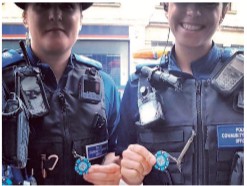


 At The Well we have housing, recovery support, and psychosocial interventions. At the heart of these interventions are the core conditions for recovery, which provide a wrap-around nurturing environment for healing to take place. It is our version of Rat Park – a place where people feel comforted and loved, where they are part of a community and feel a sense of belonging. The rats in Rat Park are basically in their form of heaven; they had lots of wheels to play on, lots to eat, lots of other rats to play with or breed with.


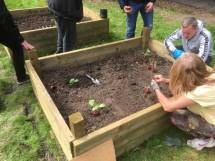

 In 2022, it received funding to develop the gardens of two THOMAS sites. The benefits of nature are well known, and include improved mood, reduced anxiety, improved sleep quality, better cognitive performance, and increased energy.
 Throughout the project, Sow the City ran therapeutic gardening sessions with residents, teaching them to grow their own food and improve their horticultural knowledge and skills. Residents worked together on the gardens – which are now a pleasant area to tend, relax and socialise – and some have gone on volunteer at other Sow the City community gardening projects across the region.


 I head to one of our office spaces where I meet with my colleagues on a video call and catch up with my notes from the morning’s outreach. I inform the team of my plan to visit a local hostel where a number of my clients are staying. I quickly make my pharmacy checks to see who is on script and check my email before leaving.
 Street Assessment


 The figures are even higher among Labour voters, with 76 per cent believing that the government isn’t doing enough to tackle addiction issues and 70 per cent that the government is failing to reduce drug-related harm.


 Just under half of all drug poisoning deaths in England and Wales involved an opiate, while – as was the case in Scotland – deaths involving cocaine have increased, with 8 per cent more than the previous year. With international cocaine production at record high levels (


